Myths About Latex Gloves in Food Service
- Barrier Performance: In-depth evaluation of myth 1: latex gloves are universally safe to ensure high tactile sensitivity and tear resistance.
- Clinical Ergonomics: Optimizing myth 2: wearing gloves means no handwashing is necessary to reduce user hand fatigue during prolonged operational shifts.
- Procurement & Standards: Regulatory compliance covering myth 3: all latex gloves are created equal across healthcare and industrial environments.
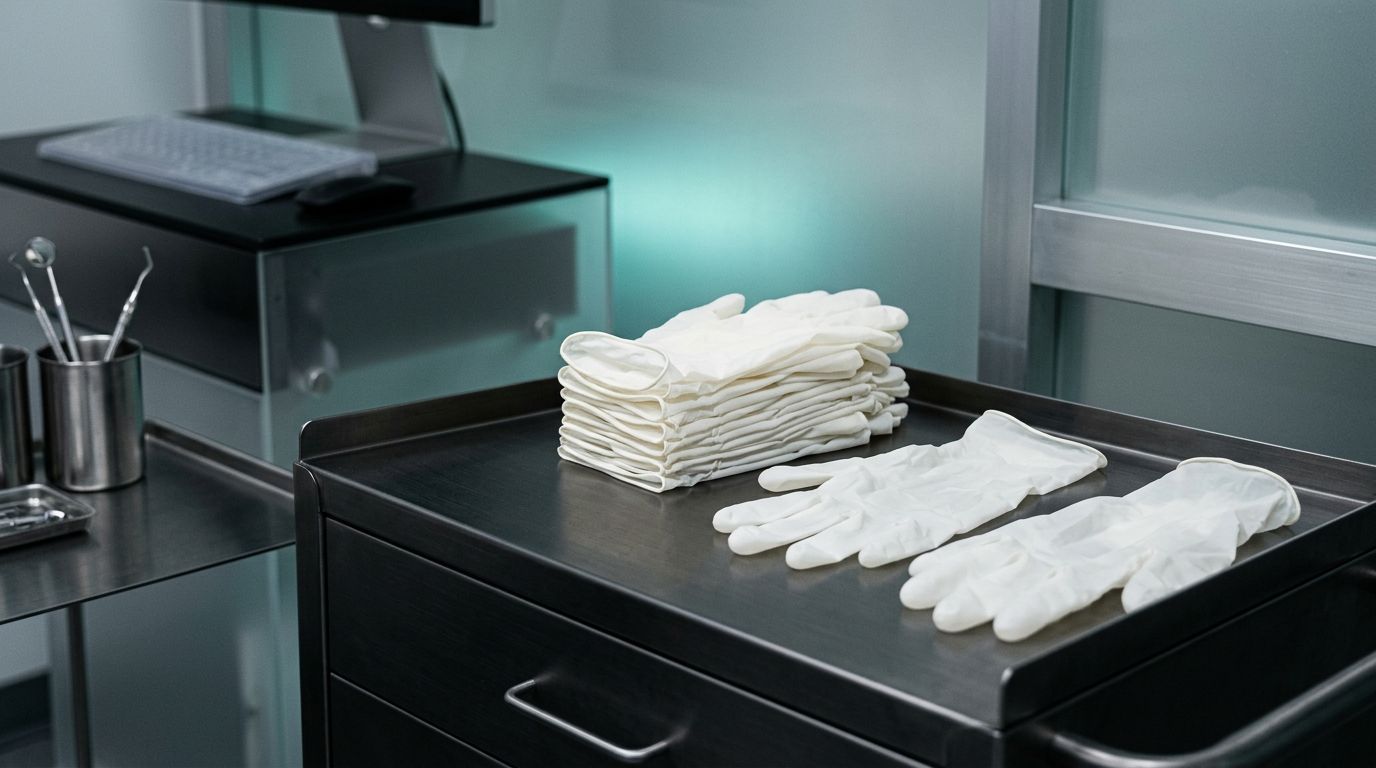
Working in food service has its challenges, and over the years, I've come to learn a thing or two about protocols, sanitation, and, of course, the gloves we wear. One of the most talked-about topics in our industry is latex gloves. While they are a staple in many kitchens, misconceptions often bubble up, creating confusion and sometimes even apprehension among crew members and managers alike. In this article, I want to debunk some of the most common myths about latex gloves in food service and share personal anecdotes that highlight the importance of making informed choices.
Myth 1: Latex Gloves Are Universally Safe
One of the biggest myths is that latex gloves, being ubiquitous in food service, are universally safe. Let me share a quick story. A few years back, I worked alongside a chef who swore by latex gloves. He was the kind of guy who believed that because he used them, nothing could go wrong. One day, though, he noticed a coworker breaking out in hives after coming into contact with his favorite brand of gloves. It turns out, latex allergies are more common than we might think, with studies suggesting that about 1-6% of the general population may be affected. In food service, employees often work in close quarters, making the risk of cross-contamination and allergic reactions a serious consideration.
Practical Advice
If you're managing a team, consider using alternative gloves made from materials like nitrile or vinyl that are less likely to cause allergic reactions. Always have a kit on hand with non-latex gloves for those who may face issues with latex.
Myth 2: Wearing Gloves Means No Handwashing is Necessary
Ordering Wholesale Gloves for Your Facility?
Access our direct self-service portal for real-time tiered volume pricing, immediate proforma & GST invoice generation, and pan-India dispatch tracking.
Oh, the number of times I've seen people donning their latex gloves and thinking that they've suddenly become invincible! I remember one busy Saturday night when a coworker put on a fresh pair, then went straight for the fryer to adjust the temperature without a second thought. He was convinced that the gloves were armor against foodborne illness. Unfortunately, that couldn't be further from the truth. Wearing gloves can give the false sense of security, but they must be used in conjunction with good personal hygiene. Our hands can pick up pathogens before we even put the gloves on, and they can become contaminated while working if we're not careful.
Practical Advice
Always wash your hands before putting gloves on, and remember to change gloves after handling raw food, using the restroom, or touching your face. The golden rule is: glove up when you need to, but don't let the gloves do the thinking for you.
Myth 3: All Latex Gloves Are Created Equal
Let's talk about quality. In my experience, not all latex gloves are made the same. There's a range of options out there, from thicker, tougher gloves designed for heavy kitchen work to thinner, tactile ones meant for delicate tasks. I once grabbed a box of the cheapest gloves on sale for our busy lunch rush, thinking I'd save a few bucks. Big mistake! They tore easily while preparing salads, leading to a frenzied search for more gloves in the middle of an already chaotic hour.
Practical Advice
Invest in quality latex gloves that suit the type of food service you're providing. Check for certificates such as FDA approval and ensure they fit properly too loose or too tight can both lead to problems during service.
Myth 4: Latex Gloves Prevent Cross-Contamination
While latex gloves do provide a barrier, they aren't foolproof against cross-contamination. I recall an incident in a sandwich shop where a teammate mistakenly grabbed raw chicken after touching the lettuce and tomatoes. The glove stayed on, but the bacteria didn't magically' disappear. It was a learning moment for all of us.
Practical Advice
Always designate specific gloves for certain tasks. If you're switching from raw to prepared foods, switch gloves, wash hands, and avoid any possible cross-contamination routes. Use designated equipment and utensils for different food types as well, and have a clear protocol for glove changes.
Myth 5: Latex Gloves Can Be Worn Indefinitely
Wearing gloves for an extended period, especially without changing them, is a dangerous practice that many might overlook. I've seen people in the kitchen wear the same pair for hours, despite the gloves becoming increasingly dirty and stained. It's like wearing the same shirt all day long while handling raw meat!
Practical Advice
Make it a policy in your kitchen to change gloves regularly, preferably every 4 hours, or whenever they become contaminated. Encourage your team to maintain high hygiene levels. A quick reminder that fresh means safe can go a long way.
Conclusion
It's important to address these myths surrounding latex gloves in food service to ensure a healthy and safe working environment. Knowledge is power, and understanding the limitations and best practices related to gloves can help protect both the food we serve and ourselves. So next time you slip on those gloves, remember: they are just a part of a larger hygiene strategy. Happy cooking and keep those hands clean!
What standards govern ANEMOI latex examination gloves?
ANEMOI examination gloves are manufactured under ISO 13485:2016 quality management systems and conform to EN 455 and ASTM standards with strict AQL 1.5 pinhole water-tightness testing.
How does Myths about latex gloves in food service impact daily workplace safety?
Proper glove selection ensures optimal barrier integrity, tactile precision, and user dexterity while minimizing cross-contamination risks across medical, laboratory, and industrial environments.
Can facilities order wholesale cartons and request trial sample boxes?
Yes. Hospitals, clinics, and commercial facilities can request 1–2 box sample evaluation kits or access volume carton pricing directly via the ANEMOI B2B client portal.