Non Latex Alternatives to Latex Gloves for Home
- Barrier Performance: In-depth evaluation of the dilemma: why ditch latex? to ensure high tactile sensitivity and tear resistance.
- Clinical Ergonomics: Optimizing exploring non-latex glove options to reduce user hand fatigue during prolonged operational shifts.
- Procurement & Standards: Regulatory compliance covering practical tips for choosing and using non-latex gloves across healthcare and industrial environments.
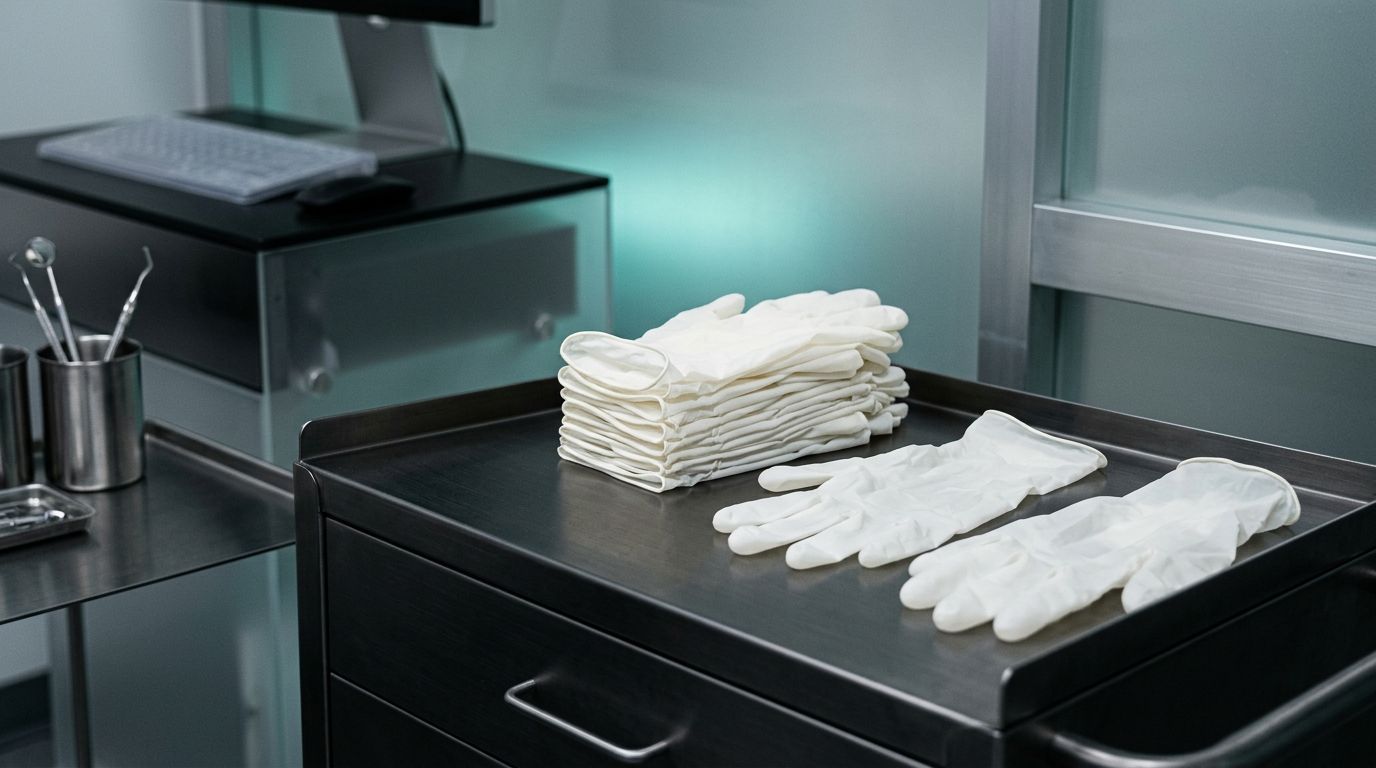
When you think of disposable gloves, what comes to mind? For many of us, it's the classic latex glove the ones that make you feel like a surgeon ready for action, or perhaps a home cleaner taking on the messiest jobs. However, not everyone can or wants to use latex gloves. Whether it's due to allergies, sensitivities, or simply a preference for something different, there are plenty of non-latex alternatives out there. I'm excited to share my insights and experiences with various options available for home use, along with practical advice to help you find the perfect fit for your needs.
The Dilemma: Why Ditch Latex?
A few years ago, I found myself in quite a predicament. I was hosting a backyard BBQ and planned to whip up a marinade that required some serious hands-on mixing. Just as I reached for my trusty box of latex gloves, I suddenly remembered my friend Sarah's latex allergy. I couldn't risk an allergic reaction ruining our Sunday fun! That's when I realized it was high time to explore alternatives to latex gloves.Latex allergies can range from mild irritation to severe anaphylaxis and they aren't as uncommon as you might think. Therefore, whether you're cooking, cleaning, or experimenting with DIY projects at home, it's crucial to have safe and effective alternatives to latex.
Exploring Non-Latex Glove Options
Ordering Wholesale Gloves for Your Facility?
Access our direct self-service portal for real-time tiered volume pricing, immediate proforma & GST invoice generation, and pan-India dispatch tracking.
Fortunately, nowadays it's easier than ever to find gloves made from non-latex materials. Let's dive into a few popular options:
1. Nitrile Gloves
Nitrile gloves are widely considered the best substitute for latex. Made from synthetic rubber, they are durable, puncture-resistant, and offer a high level of sensitivity. I remember the first time I used nitrile gloves while painting our living room. Unlike latex, these gloves didn't stick to my hands or hinder my dexterity. Plus, clean-up was a breeze; simply peel them off and toss them away!Nitrile gloves also come in various sizes, colors, and even textured surfaces for better grip. You can often find them available in medical-grade formulas or more casual ones for household tasks. I usually keep a box of blue nitrile gloves handy in my kitchen drawer for food prep and cleaning errands.
2. Vinyl Gloves
Another popular choice, especially for light household tasks, are vinyl gloves. Made from polyvinyl chloride (PVC), they're latex-free and a cost-effective option. While they may not provide the same level of sensitivity as nitrile, they still get the job done for tasks like washing dishes or handling raw ingredients.A couple of weekends ago, I decided to tackle some spring cleaning. I grabbed a box of vinyl gloves because I didn't want to deal with grime on my hands. They worked well enough for dusting and scrubbing, though I did notice they weren't quite as snug as nitrile gloves. Nevertheless, they kept my hands clean and protected!
3. Neoprene Gloves
If you require gloves for more heavy-duty tasks, neoprene gloves could be your best bet. These gloves are resistant to most chemicals, making them ideal for gardening, automotive work, or handling harsh cleaning agents. While they don't offer the same stretching ability as nitrile, their durability makes them a solid choice.My neighbor uses neoprene gloves while working on car repairs, and I've witnessed how effective they are, especially when dealing with grease and oils. They hold up remarkably well against harsh conditions while providing a good grip.
4. Cloth Gloves with Coating
For those tasks where grip is key but you still want protection, consider coated cloth gloves. These gloves are often made of cotton or polyester with a latex-free coating on the palms for added durability. I've seen my husband use these gloves when dealing with gardening or when he's out hiking and needs gripping power while handling tools. They're breathable, making them great for extended wear.
Practical Tips for Choosing and Using Non-Latex Gloves
Here are some tips to keep in mind when selecting the right non-latex gloves for your home needs:- Size Matters: Choose the right size for comfort and effectiveness. An ill-fitting glove can make your tasks harder, so take a moment to check the sizing chart.- Consider Sensitivity: If you're particularly concerned about skin sensitivities, check if the gloves are free from chemical residues or irritants.- Test Before Use: If you're trying a new type of glove, do a small test to ensure they work well for you. For example, wear them while doing a quick task to assess comfort and functionality.- Think About the Task: Choose gloves based on what you'll be doing nitrile may be best for food handling, while neoprene may serve well for gardening.
Final Thoughts
In my journey to find non-latex gloves, I've become a firm believer that you don't have to sacrifice protection or ease of use just because latex isn't an option. Whether you choose nitrile, vinyl, neoprene, or coated cloth gloves, there's a perfect match out there for every task around the house. So next time you prepare for your weekend projects, consider trying one of these non-latex alternatives! They just might become your new favorites, just like they did for me. By staying mindful of your needs and options, you can ensure a safe and enjoyable experience, no rubber hands required!
What standards govern ANEMOI latex examination gloves?
ANEMOI examination gloves are manufactured under ISO 13485:2016 quality management systems and conform to EN 455 and ASTM standards with strict AQL 1.5 pinhole water-tightness testing.
How does Non latex alternatives to latex gloves for home impact daily workplace safety?
Proper glove selection ensures optimal barrier integrity, tactile precision, and user dexterity while minimizing cross-contamination risks across medical, laboratory, and industrial environments.
Can facilities order wholesale cartons and request trial sample boxes?
Yes. Hospitals, clinics, and commercial facilities can request 1–2 box sample evaluation kits or access volume carton pricing directly via the ANEMOI B2B client portal.