Latex Gloves in Food Service Hygiene
- Barrier Performance: In-depth evaluation of why latex gloves? to ensure high tactile sensitivity and tear resistance.
- Clinical Ergonomics: Optimizing the importance of hygiene to reduce user hand fatigue during prolonged operational shifts.
- Procurement & Standards: Regulatory compliance covering when to use latex gloves across healthcare and industrial environments.
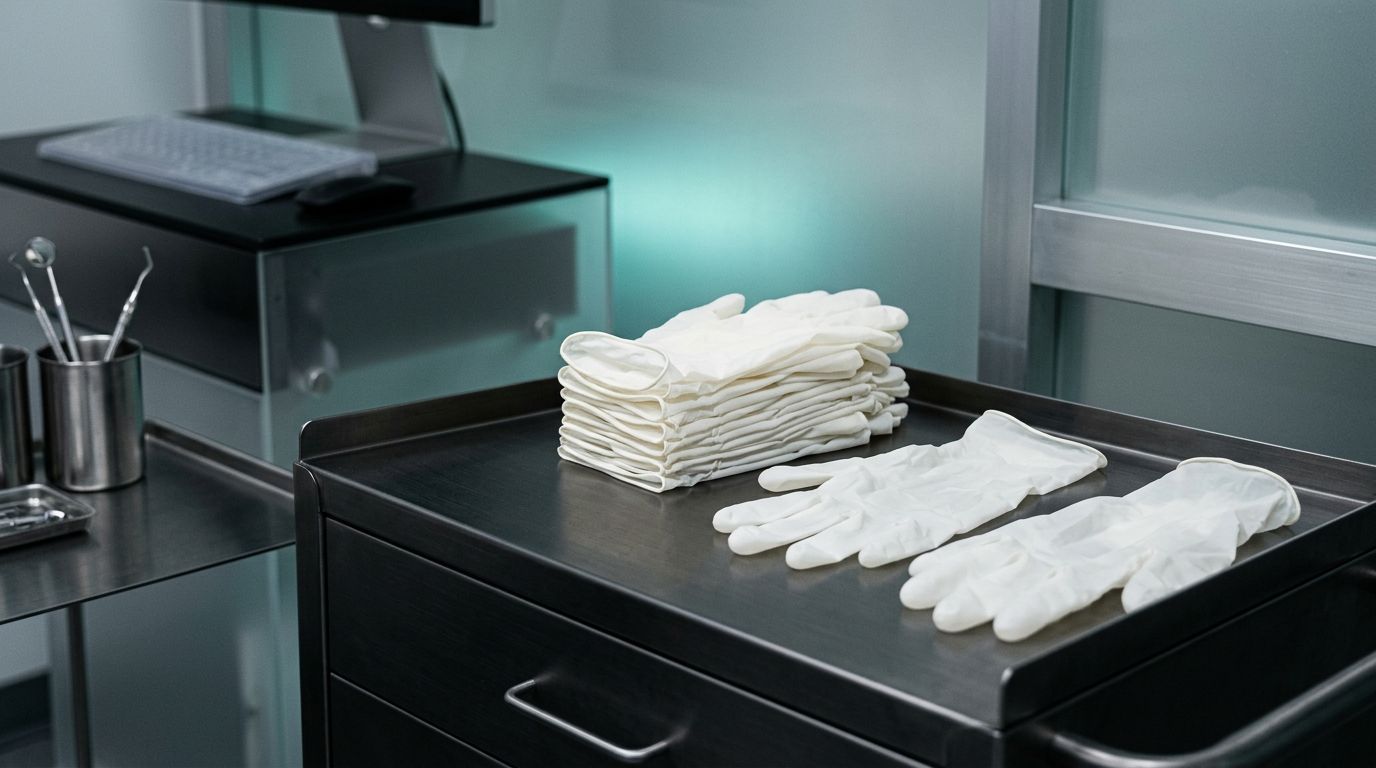
When you think about the bustling atmosphere of a kitchen chefs chopping vegetables, waitstaff weaving through tables, and, of course, the tantalizing aroma of freshly prepared dishes it's easy to overlook one of the unsung heroes of food service hygiene: latex gloves. As both a cook and a food lover, I've spent countless hours in kitchens, and I can confidently say that these gloves play a crucial role in maintaining hygiene and safety in food handling.
Why Latex Gloves?
Latex gloves are often the go-to choice for many food service workers. They are made from natural rubber latex, which provides a snug fit and excellent dexterity. This means that whether you're gripping a knife or plating a delicate dessert, you can maintain control without sacrificing protection. One memorable experience I had was during a busy dinner service at a local restaurant. We were short-staffed, and the pressure was on. With orders piling up, I quickly learned how vital it was to wear gloves while handling food. I caught myself reaching for ingredients with bare hands, and thanks to a very observant sous-chef, I was reminded that cross-contamination was a major no-no. Putting on those latex gloves not only kept food safe but also gave me a sense of pride in maintaining a clean workspace.
The Importance of Hygiene
Ordering Wholesale Gloves for Your Facility?
Access our direct self-service portal for real-time tiered volume pricing, immediate proforma & GST invoice generation, and pan-India dispatch tracking.
Picture this: you just ordered a delicious burger from your favorite restaurant. You take that first bite and experience pure bliss. But, have you ever considered what goes on behind the scenes to make that burger unforgettable? Hygiene is paramount, especially in food service. The Centers for Disease Control and Prevention (CDC) notes that proper hand hygiene can significantly reduce the occurrence of foodborne illnesses. This is where latex gloves come into play. They act as a barrier between your hands and the food, preventing contamination from bacteria, viruses, and allergens. Imagine a scenario where a line cook is preparing seafood; using gloves protects not only the food but also anyone who might have a shellfish allergy.
When to Use Latex Gloves
In the fast-paced world of food service, knowing when to use gloves is key. Here are a few practical scenarios:1. Handling Raw Meat: Whenever you're working with raw chicken, beef, or pork, wear gloves. This prevents harmful bacteria from transferring to other surfaces or foods.2. Serving Food: Whether plating dishes or serving them to customers, using gloves adds a layer of hygiene that diners appreciate. During my time at a seafood restaurant, I used gloves while serving oysters this not only looked professional but also ensured that no unwanted contaminants touched the food.3. Cleaning and Sanitizing: It might seem counterintuitive, but using gloves while cleaning food preparation areas can help keep your hands safe from harsh chemicals and lingering germs. It's essential to change gloves frequently. I remember a time when I fell into the trap of wearing my gloves for too long, only to realize halfway through service that I had touched raw chicken and then a salad. The moment of panic was palpable; thankfully, I remembered the importance of changing gloves regularly.
Real-Life Anecdotes
Let's take a moment to get personal. I recall one shift during a particularly busy Saturday night. We were slammed, and I was juggling several tasks at once. I was prepping a large batch of pasta when, out of nowhere, I felt my stomach drop had I just touched my hair after dealing with the raw ingredients?In that moment of panic, I stopped, took a breath, and remembered the importance of changing my gloves. It's a rule I learned early on in my culinary journey, but in the heat of the moment, it's easy to slip. That night, I made a mental note to always keep a stash of extra gloves nearby (one of my life hacks in the kitchen!).
Environmental Considerations
While latex gloves are great for food service hygiene, it's worth mentioning the environmental impact. As someone passionate about sustainability, I began to explore alternatives. Nitrile gloves, for instance, are latex-free and more environmentally friendly. They offer excellent protection and are less likely to cause allergic reactions. Incorporating these alternatives not only maintains food safety but also aligns with a greener ethos. For restaurateurs wanting to make their operations more sustainable, offering non-latex options can be a big draw for eco-conscious consumers.
Conclusion: Elevate Your Hygiene Game
In conclusion, latex gloves are far more than just a kitchen accessory; they are an essential tool for protecting food safety and health. The next time you find yourself in a food service environment be it a restaurant, food truck, or culinary event take a moment to appreciate the small yet mighty latex glove.So, whether you're a seasoned chef or an enthusiastic home cook, remember that good hygiene starts with how you handle food. Make the habit of wearing gloves second nature, and you'll contribute to a safer and more enjoyable dining experience for everyone. As I always say, good food deserves good care!
What standards govern ANEMOI latex examination gloves?
ANEMOI examination gloves are manufactured under ISO 13485:2016 quality management systems and conform to EN 455 and ASTM standards with strict AQL 1.5 pinhole water-tightness testing.
How does Latex gloves in food service hygiene impact daily workplace safety?
Proper glove selection ensures optimal barrier integrity, tactile precision, and user dexterity while minimizing cross-contamination risks across medical, laboratory, and industrial environments.
Can facilities order wholesale cartons and request trial sample boxes?
Yes. Hospitals, clinics, and commercial facilities can request 1–2 box sample evaluation kits or access volume carton pricing directly via the ANEMOI B2B client portal.