Latex Gloves Industrial Strength That Are Latex Free
- Barrier Performance: In-depth evaluation of the need for latex-free options to ensure high tactile sensitivity and tear resistance.
- Clinical Ergonomics: Optimizing what to look for in latex-free industrial strength gloves to reduce user hand fatigue during prolonged operational shifts.
- Procurement & Standards: Regulatory compliance covering scenarios where latex-free gloves shine across healthcare and industrial environments.
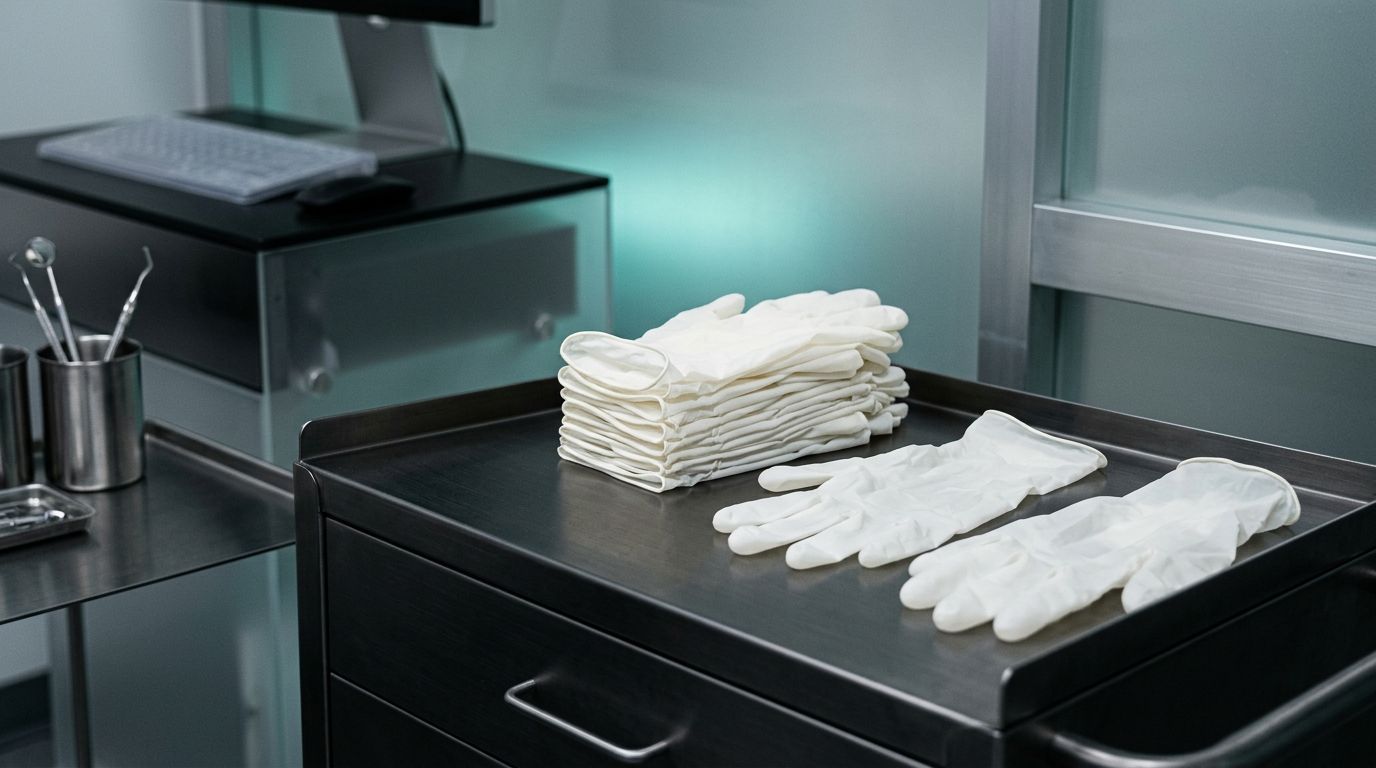
When it comes to protective gear in industries that demand both strength and sensitivity, latex gloves are often touted as a go-to option. However, with growing concerns about latex allergies and the need for enhanced durability, there's been a significant shift toward finding the perfect alternative enter latex gloves industrial strength that are latex free.As someone who has spent years working in manufacturing and healthcare settings, I've seen firsthand the importance of having reliable gloves on hand. Let me share some personal insights and practical advice that will help you navigate the world of latex-free industrial strength gloves.
The Need for Latex-Free Options
Just a year ago, I was in a particularly sticky situation at my job in a chemical plant. We had a sudden influx of products that required stringent handling procedures. You might think grabbing a box of latex gloves would be the easiest solution, but as I reached for them, I remembered my coworker Tom had a severe latex allergy. Not wanting to put anyone at risk, I quickly searched for alternatives.This scenario is becoming increasingly common. The CDC estimates that 1 in 10 healthcare workers can develop a latex allergy due to frequent exposure. In industries where protecting your hands is essential, finding durable, high-quality gloves that are safe for everyone in the workspace is paramount.
What To Look For in Latex-Free Industrial Strength Gloves
Ordering Wholesale Gloves for Your Facility?
Access our direct self-service portal for real-time tiered volume pricing, immediate proforma & GST invoice generation, and pan-India dispatch tracking.
So, what makes a glove what it claims to be industrial strength? Here are a few qualities to consider:
1. Material Matters
Most latex-free gloves are made from nitrile, vinyl, or polyethylene. Nitrile gloves, in particular, are gaining popularity due to their strength. They offer excellent puncture resistance and can withstand harsh chemicals, making them suitable for various industrial applications.
My RecommendationWhen I switched to nitrile gloves, I noticed a significant difference in grip and dexterity, especially when handling smaller tools or when working with fluids. This made a world of difference in my day-to-day tasks.
2. Comfort and Fit
Industrial strength means they need to withstand tough conditions, but they also need to be comfortable. Gloves that fit well reduce hand fatigue, and adhere snugly without being too tight or too loose.
A Personal AnecdoteI remember the first time I tried on a pair of high-quality nitrile gloves that fit perfectly. It was like wearing a second skin. No slipping, no cutting into my wrists. The vitality and comfort of a good glove can genuinely transform your work experience.
3. Thickness and Puncture Resistance
While standard disposable gloves are usually thinner, industrial strength options are designed to handle more rigorous tasks. A thicker glove generally provides better protection but may reduce dexterity.
Practical AdviceFor tasks that require precision, I recommend opting for gloves that balance thickness and sensitivity. I often keep two different sizes on hand one for heavy-duty tasks and another for precise work to ensure I always have the right glove ready.
4. Testing and Certifications
Look for gloves that meet safety standards, like those provided by ANSI and ASTM. These certifications indicate that the gloves have passed rigorous testing for durability and performance.
5. Chemical Resistance
In many industrial settings, you'll encounter various substances that can easily damage less durable gloves. Be sure to choose gloves that are resistant to the specific chemicals you're working with.
Scenarios Where Latex-Free Gloves Shine
Imagine a busy Saturday at a local automotive shop. Mechanics rush around, hands covered with grease and grime, as they work on multiple vehicles. Suddenly, they realize they're out of gloves! The foreman realizes they can't use latex gloves since one of the trainees has an allergy. This is where strong, latex-free gloves save the day. They quickly grab a box of industrial-strength nitrile gloves, ensuring everyone is safe and can continue working without skipping a beat.Similarly, think about a healthcare professional in an emergency room. During peak hours, gloves are changed multiple times to avoid contamination. If these gloves are latex-free, it eliminates the risk of allergic reactions while providing the durability needed to handle various tasks, from simple examinations to intricate procedures.
Conclusion: Making the Switch
Switching to latex gloves industrial strength that are latex free is not just about preference; it's about safety and functionality. The good news is that many manufacturers now recognize the need for quality alternatives and are producing excellent options. I can confidently say that since I made the switch, I've noticed not only improved safety in the workplace but also a greater sense of comfort among my colleagues, especially for those with sensitivities.If you're in an industry that relies on gloves, consider the benefits of going latex-free. It's a change that not only protects your hands but also the health and well-being of everyone you work alongside. Make the switch today, and you'll find that your hands and your team will thank you for it!
What standards govern ANEMOI latex examination gloves?
ANEMOI examination gloves are manufactured under ISO 13485:2016 quality management systems and conform to EN 455 and ASTM standards with strict AQL 1.5 pinhole water-tightness testing.
How does Latex gloves industrial strength that are latex free impact daily workplace safety?
Proper glove selection ensures optimal barrier integrity, tactile precision, and user dexterity while minimizing cross-contamination risks across medical, laboratory, and industrial environments.
Can facilities order wholesale cartons and request trial sample boxes?
Yes. Hospitals, clinics, and commercial facilities can request 1–2 box sample evaluation kits or access volume carton pricing directly via the ANEMOI B2B client portal.