Sterilization Process for Latex Gloves
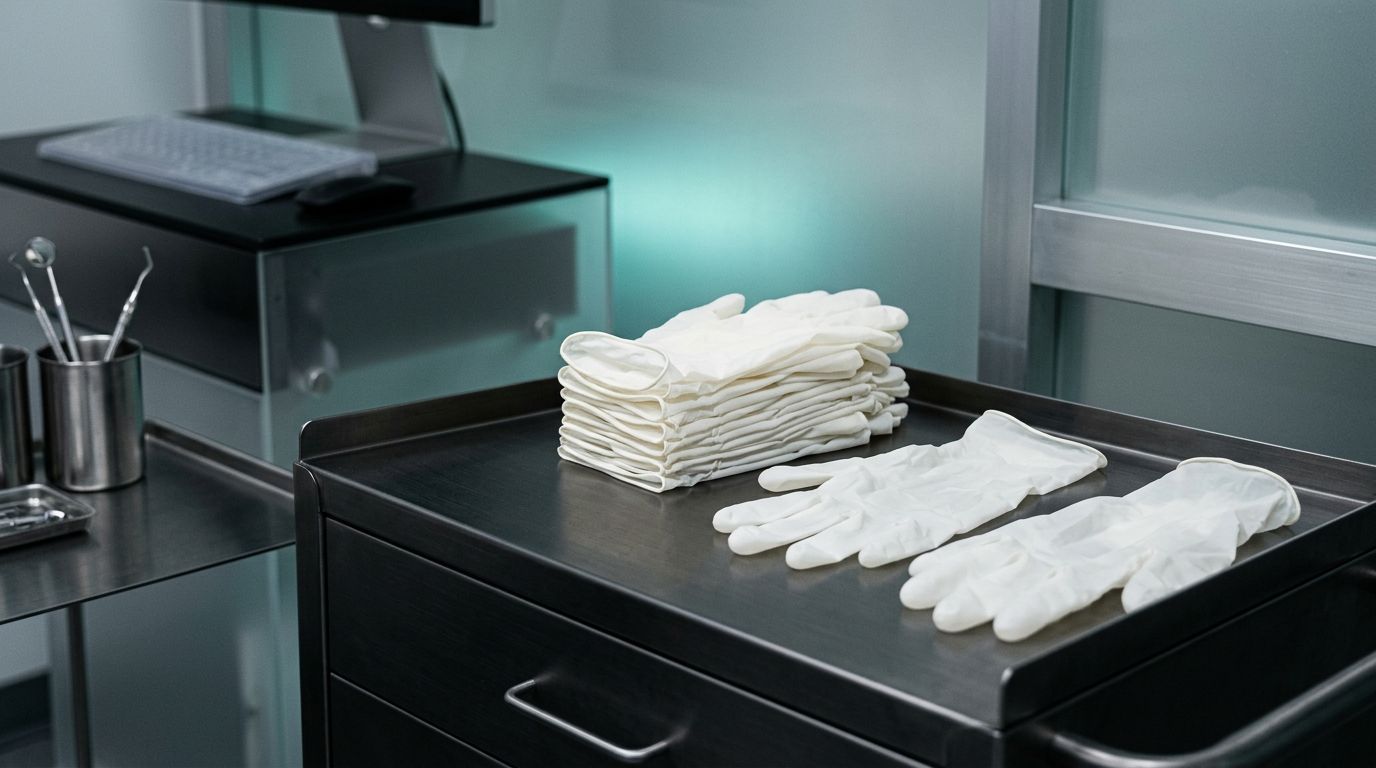
When I first began working in a medical facility, I remember being struck by how pristine everything seemed. My colleagues wore their white coats like badges of honor, and the smell of antiseptic hung in the air. As I donned my first pair of latex gloves, I realized just how crucial they were in maintaining that cleanliness. But have you ever wondered how these essential tools are sterilized in the first place? Let's delve into the sterilization process for latex gloves and explore its importance through some personal stories and relatable insights.
The Importance of Sterilization
Let's set the scene: it's a busy day in the emergency room, and a new patient arrives with a mysterious rash. The attending physician quickly assesses the situation while nurses move around, each one diligently donning gloves before touching any medical instruments or the patient. This is a safety dance we all perform, ensuring contamination is kept at bay. Sterilization is key to preventing infections, not just for our patients, but for the healthcare providers too.In my early days, I witnessed the chaotic yet essential process behind every pair of gloves. Each glove isn't just a piece of rubber; it's a barrier that keeps everyone safe. But to perform that role effectively, it must undergo a thorough sterilization process.
How Are Latex Gloves Sterilized?
ANEMOI Medical Powder-Free Examination Gloves
Manufactured with high tensile strength (≥18 MPa) and micro-textured grip surface. Fully ISO 9001:2015 & CE Certified for hospitals, labs, and industrial safety.
1. Manufacturing Process
The journey of a latex glove begins in a manufacturing facility. It might sound mundane, but I assure you, it's far from it! Pure latex is collected and mixed with stabilizers and fillers to enhance its properties. Once mixed, the latex is dipped into a mold in the shape of a hand. After that, the gloves are washed to remove any residues and dried.Tip: Always check where your gloves come from. High-quality manufacturers prioritize hygiene and often have rigorous sterilization processes in place.
2. Sterilization Methods
There are a couple of common sterilization methods used for latex gloves:a. Ethylene Oxide (EO) Sterilization: This method involves exposing the gloves to ethylene oxide gas. It's a low-temperature process, which is ideal for heat-sensitive materials. The gloves are placed in a chamber where the gas is introduced. After exposure, the gloves are aerated to remove any residual gas. Reflecting back, I remember a particularly busy night shift where we ran short on gloves. The frantic search for sterilized gloves revealed the behind-the-scenes effort: the time it takes for this sterilization to happen! b. Gamma Radiation: In this method, gloves are exposed to gamma rays, which disrupt the DNA of any microorganisms, effectively killing them. It is a high-energy process, often used for larger batches of gloves. I recall walking past the sterilization room and seeing the massive radiation chambers it felt almost like something out of a sci-fi movie!c. Steam Sterilization: Although not as common for latex gloves due to the material's sensitivity to heat, steam sterilization is an option for certain types of latex gloves. This method uses steam under pressure, which is highly effective at killing bacteria and viruses.
3. Quality Control
Once the sterilization process is complete, quality control comes into play. Gloves undergo a series of tests to ensure they meet safety standards. My supervisor once handed me a box of gloves with a top-notch insignia. These are the best, she explained, made with a process that guarantees sterility. It's comforting to know that as healthcare professionals, we can trust that the gloves we wear are not just accessories, but essential barriers protecting us and our patients.
Practical Advice
Always Check Expiration Dates
Sterilization is great, but it doesn't last forever. I learned the hard way during my internship when I grabbed a box of gloves that had expired. They turned out to be brittle and less effective. Now I always make it a habit to check expiration dates.
Proper Storage
After the sterilization process, gloves must be stored correctly to maintain their integrity. Avoid exposing them to direct sunlight or extreme temperatures. I've seen boxes of gloves damaged due to improper storage what a waste!
Don't Reuse
Here's a definite no-no: never, ever reuse latex gloves. During one of our training sessions, a seasoned nurse shared a story about a colleague who thought washing gloves was a smart idea. Spoiler alert: it wasn't. Besides contaminating equipment, it posed a significant risk to patient safety.
Conclusion
The sterilization process for latex gloves may seem like just another step in the busy world of healthcare, but its significance cannot be overstated. Each time we wear gloves whether in an emergency room, a dentist's chair, or even at home while cleaning we must appreciate the journey they took to ensure our safety.Next time you put on a pair of gloves, remember the intricate process they undergo to remain effective. And if you ever find yourself in a frantic search for gloves, just know there's a hard-working team behind the scenes ensuring that every pair is perfectly sterilized, ready to serve.So, whether you're a healthcare provider, a parent doing your best to keep things clean, or someone just curious about the subject, I hope this peek into the sterilization process for latex gloves has been enlightening. Stay safe and keep those hands clean!