Sterile Latex Gloves for Surgery
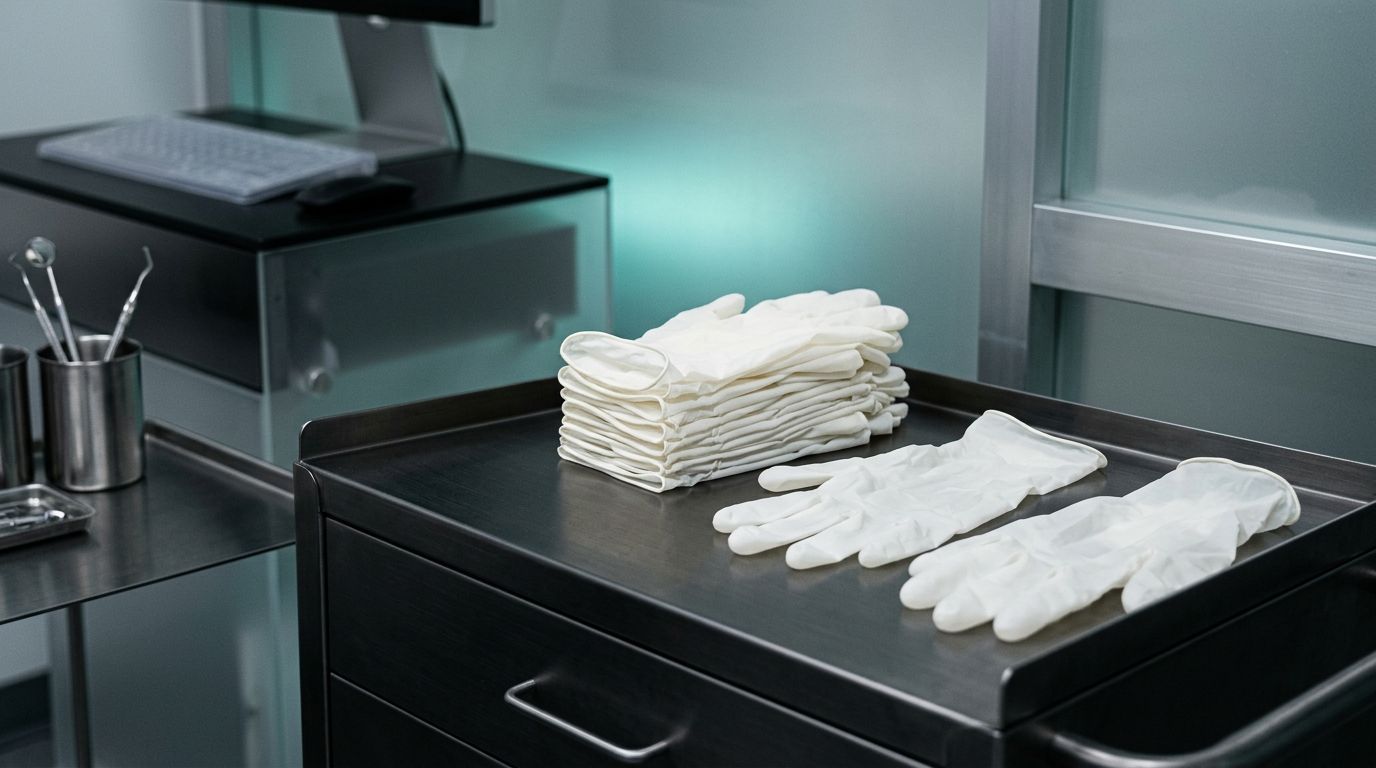
When I think of the operating room, the first thing that comes to mind is the crisp, sterile atmosphere. The air is thick with antiseptic, and everyone is focused, wearing their best professional game faces. One essential part of that environment, one that often gets overlooked, is the unassuming sterile latex glove. Yes, those thin, stretchy coverings play a heroic role behind the scenes in surgical procedures.
The Unsung Hero of the OR
Let me take you back to a day in the OR during my early days as a medical assistant. I was a bit nervous, the kind of nervous that doesn't quite go away even after months on the job. I watched as the surgical team prepared their instruments and donned their gloves. It struck me just how crucial those sterile latex gloves were in ensuring the safety of both the patient and the surgical team.In a high-stakes environment like surgery, every detail matters. One small lapse like a tear or puncture in a glove could lead to dire consequences. Watching the surgeon slide on those gloves, I realized that they weren't just a precaution; they were a critical barrier that protected everyone involved.
Why Sterility Matters
ANEMOI Medical Powder-Free Examination Gloves
Manufactured with high tensile strength (≥18 MPa) and micro-textured grip surface. Fully ISO 9001:2015 & CE Certified for hospitals, labs, and industrial safety.
In surgeries, maintaining a sterile environment is vital. Why? Because any bacteria or viruses can lead to infection and complications that could seriously jeopardize patient health. Consider a scenario where a surgeon is in the middle of a procedure. If they were to inadvertently introduce microorganisms into the sterile field, it could lead to devastating results. This is why those sterile latex gloves are more than just formalities; they are life-saving gear.
The Quest for Sterility
Sterile latex gloves undergo a rigorous process before they reach the operating room. They are produced in controlled environments, tested for integrity, and packaged in ways that maintain their sterility until they're ready for use. I remember a consultant I once spoke to about glove selection he was quite passionate. He shared a story of a hospital that saved money by switching to non-sterile alternatives for certain procedures, believing it wouldn't matter. He described the chaos that ensued from infections that could have been easily prevented by maintaining strict sterility standards, emphasizing the crucial role these gloves play in patient safety.
Comfort Meets Safety
One interesting aspect of sterile latex gloves is that they're not just about safety; they also have to be comfortable. Imagine a surgeon trying to perform a delicate procedure while experiencing discomfort due to ill-fitting gloves. It's not a pleasant thought, right? Many manufacturers now focus on creating gloves that provide both optimal protection and flexibility. For example, when I had the chance to try different types of gloves, I found that some brands were much stretchier and fit better than others, allowing for greater dexterity. That small difference can make a significant impact in the surgical world.
Personal Anecdote: The Day the Gloves Saved the Day
One memorable experience I had involved a particularly challenging surgery. The surgeon was performing a complex procedure, and I was tasked with handing over tools. He confidently donned his sterile latex gloves, and I noticed how focused he was. Partway through, he encountered unexpected bleeding. The primary surgeon maintained composure, skillfully employing tools while ensuring that his gloves provided a solid barrier. In that tense moment, I realized the importance of those gloves immediately. They formed a protective layer, allowing him to act swiftly without the fear of contamination. The operation was a success, and it was a poignant reminder of how crucial even the smallest things can be in a surgical setting.
Practical Advice for Choosing Gloves
If you're in a position where you need to select sterile latex gloves for any reason, here are some points to consider:1. Size Matters: Choose gloves that fit snugly but comfortably. A glove that's too loose can lead to reduced dexterity while one that's too tight can be uncomfortable and may cause tearing.2. Check for Certifications: Look for gloves that are ASTM and FDA certified. This will ensure you're getting a product that meets safety standards.3. Evaluate Durability: Some gloves are designed for specific procedures that demand greater durability, such as orthopedic surgeries. Make sure to choose gloves that are suitable for your use case.4. Think About Allergy Concerns: While latex gloves offer great tactile sensitivity and comfort, some individuals may have latex allergies. Alternatives such as nitrile gloves are available and offer similar protection without the allergens.5. Consider the Texture: Some procedures require enhanced grip textured gloves may be beneficial in these situations.
Final Thoughts
In the world of surgery, sterile latex gloves are more than just a disposable item; they are an essential line of defense against infection. They embody both safety and comfort, enabling medical professionals to perform their best. The next time you see a surgical team gearing up to operate, remember the pivotal role those gloves play in every successful procedure.Surgery might seem daunting, but thanks to these gloves, we can rest assured that a layer of protection is always in place. Whether you're a medical professional or simply curious about the world of surgery, the story of sterile latex gloves is one that underscores just how essential they are. So let's give a round of applause to these unsung heroes in scrubs, making surgery a safer place one glove at a time!