Sterile Latex Gloves for Food Handling
- Barrier Performance: In-depth evaluation of why use sterile latex gloves? to ensure high tactile sensitivity and tear resistance.
- Clinical Ergonomics: Optimizing types of gloves: why latex? to reduce user hand fatigue during prolonged operational shifts.
- Procurement & Standards: Regulatory compliance covering practical tips for using sterile latex gloves across healthcare and industrial environments.
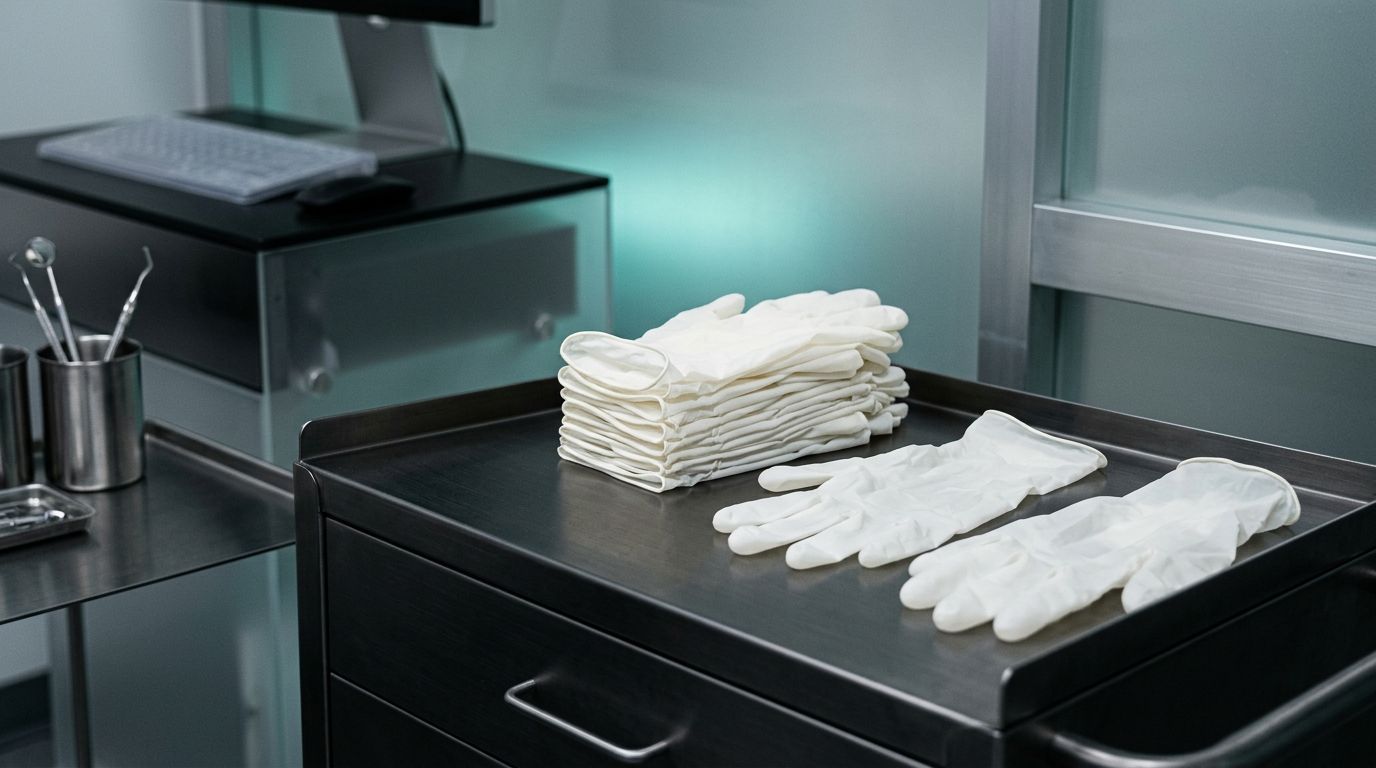
When it comes to food safety, one of the most important topics to consider is hygiene. Whether you're a professional chef in a bustling kitchen or a home cook whipping up dinner for your family, how you handle food can significantly impact health. That's where sterile latex gloves for food handling come into play. Let's dive into why they are essential, some personal insights, and practical advice that can help keep everyone safe and healthy.
Why Use Sterile Latex Gloves?
Now, you might be wondering, Why should I bother with gloves? I wash my hands regularly! While handwashing is crucial no argument there using gloves brings an added layer of protection, especially in professional environments or when preparing food for larger groups.
Personal Anecdote
Let me share a little story from my kitchen adventures. A few years back, I hosted a dinner party and decided to try my hand at homemade sushi. I was excited, and everything was going smoothly until it was time to prepare the fish. I remember handling raw salmon and feeling that slight twinge of anxiety about cross-contamination. While I washed my hands thoroughly, I couldn't shake the familiar feeling of doubt. If only I had some sterile latex gloves on hand!Using those gloves would not only have kept my hands clean but also ensured that any bacteria from the fish wouldn't get transferred onto my sushi rice or other ingredients. Sterile latex gloves are designed to be free from contaminants, thus ensuring that you're protecting the food just as much as you're protecting yourself.
Types of Gloves: Why Latex?
Ordering Wholesale Gloves for Your Facility?
Access our direct self-service portal for real-time tiered volume pricing, immediate proforma & GST invoice generation, and pan-India dispatch tracking.
There are various types of gloves out there vinyl, nitrile, and latex among them. So why do I recommend latex gloves specifically for food handling?1. Superior Fit: Latex conforms to your hand, offering dexterity and tactile sensitivity. This makes it easier to handle delicate foods like slicing those vegetables just right or rolling sushi without breaking the rice.2. Barrier Protection: Latex gloves create an excellent barrier against biological hazards. This means fewer worries about transferring bacteria from one food item to another.3. Cost-Effective: While there are other glove types available, latex gloves tend to be affordable and widely accessible.
A Relatable Scenario
Imagine the last time you hosted a barbecue. You were probably juggling burgers, hot dogs, and a variety of condiments. Now, picture this: you're manning the grill, and you just finished handling raw meat. What do most people do next? They reach for that beautiful salad you prepared. Yikes! Without gloves, you're increasing the risk of cross-contamination. Having a pair of sterile latex gloves handy could save your barbecue from turning into an unsafe culinary nightmare.
Practical Tips for Using Sterile Latex Gloves
1. Ensure Proper Fit
Always choose the right size of gloves. If your gloves are too loose, they can hinder your dexterity. If they're too tight, you might accidentally tear them while working. A good fit is key to maintaining that high level of control in food preparation.
2. Use Them When Needed
It might be tempting to keep gloves on while preparing everything, but it's best to change them regularly. For instance, switch out gloves after handling raw meat before you start prepping salads or other ready-to-eat foods.
3. Cleanliness is Key
Sterile latex gloves should be used straight from the package and not touched with bare hands. This helps maintain their sterility. Also, remember that they do not eliminate the need for washing hands before and after handling food.
4. Disposal Matters
After your cooking adventure is over, ensure that you dispose of the gloves correctly. Many people overlook this step; just tossing them in the bin could lead to cross-contamination. Seal them in a bag before disposing of them, especially if they're contaminated with raw foods.
Conclusion: Cooking with Confidence
In the end, using sterile latex gloves for food handling is not just about following safety rules; it's about cooking with confidence. Whether you're baking, sautu00e9ing, or grilling, having the right safety measures in place ensures that your food remains safe for consumption. So, the next time you find yourself in the kitchen, think about your hygiene practices. Remember that little extra layer of protection that gloves can provide as my sushi experience taught me, every small precaution is worth it. Happy cooking!
What standards govern ANEMOI latex examination gloves?
ANEMOI examination gloves are manufactured under ISO 13485:2016 quality management systems and conform to EN 455 and ASTM standards with strict AQL 1.5 pinhole water-tightness testing.
How does Sterile latex gloves for food handling impact daily workplace safety?
Proper glove selection ensures optimal barrier integrity, tactile precision, and user dexterity while minimizing cross-contamination risks across medical, laboratory, and industrial environments.
Can facilities order wholesale cartons and request trial sample boxes?
Yes. Hospitals, clinics, and commercial facilities can request 1–2 box sample evaluation kits or access volume carton pricing directly via the ANEMOI B2B client portal.