Recommended Latex Gloves for Healthcare Settings
- Barrier Performance: In-depth evaluation of understanding the importance of latex gloves to ensure high tactile sensitivity and tear resistance.
- Clinical Ergonomics: Optimizing recommended brands of latex gloves to reduce user hand fatigue during prolonged operational shifts.
- Procurement & Standards: Regulatory compliance covering key features to look for across healthcare and industrial environments.
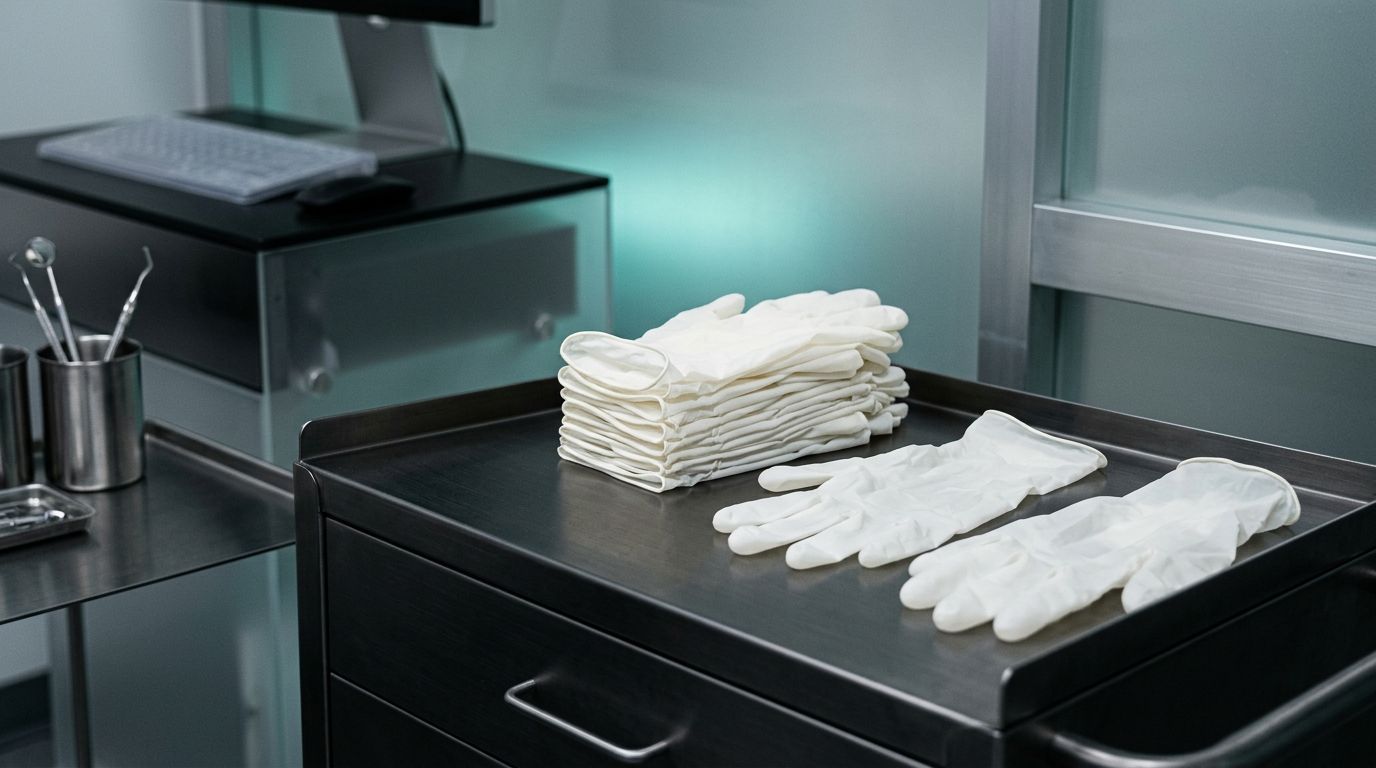
As someone who has spent more than a decade working alongside medical professionals, I am well aware of the critical role that personal protective equipment plays in ensuring safe and effective patient care. Among these essentials, latex gloves are a staple in healthcare settings, providing that much-needed barrier against contamination. But with so many options available, how do you choose the right pair? Let's dive into some recommended latex gloves for healthcare settings, sprinkled with anecdotally sourced advice and relatable scenarios that I hope will make this journey a bit more insightful.
Understanding the Importance of Latex Gloves
First off, why are latex gloves so prevalent in healthcare? Beyond their physical barrier against pathogens, latex gloves offer excellent sensitivity, flexibility, and comfort, crucial for medical personnel who need to perform tasks that require fine motor skills. Picture a nurse in a busy hospital, trying to handle delicate instruments during a surgery or drawing blood from a patient whose veins are harder to find. The right gloves can make all the difference.
Recommended Brands of Latex Gloves
Ordering Wholesale Gloves for Your Facility?
Access our direct self-service portal for real-time tiered volume pricing, immediate proforma & GST invoice generation, and pan-India dispatch tracking.
When it comes to choosing latex gloves, not all products are created equal. Here are some of the top brands that have built a reputation in healthcare settings:
1. Microflexu00ae
Microflex gloves are widely respected in the healthcare community. I remember attending a conference where a healthcare professional shared his experience during an emergency surgery. He emphasized how the tactile sensitivity of Microflex gloves allowed him to navigate delicate procedures seamlessly. They strike an excellent balance between durability and comfort, making them a go-to choice for many.
2. Ansellu00ae
Another great brand is Ansell, known for producing high-quality safety gloves. Their Comfort series offers both latex and non-latex options, catering to users with allergies. A fellow paramedic once recounted how she switched to Ansell gloves after experiencing irritation with other brands. The Comfort series allowed her to work long shifts without discomfort an absolute must in the high-pressure world of emergency care.
3. Aureliau00ae
Aurelia has made a mark with its innovative approach to glove manufacturing. They offer various options, and their gloves are often praised for being both affordable and reliable. I remember a friend who works in a small clinic; she told me how Aurelia's gloves made it easy for her to don and remove them quickly during a hectic day filled with patient visits.
4. Halyard Healthu00ae
Halyard is also worth mentioning. They focus heavily on infection prevention, which is key in any healthcare setting. I once heard a doctor emphasize that having Halyard gloves on hand gave him peace of mind during procedures, knowing that he was minimizing infection risk.
Key Features to Look For
When selecting latex gloves, keep in mind some essential features that make a glove stand out, such as:- Powder-Free: Powdered gloves may cause allergies or irritation. Opt for powder-free options to ensure maximum comfort for both the caregiver and the patient.- AQL Rating: The Acceptable Quality Level (AQL) indicates the glove's defect rate. An AQL of 1.5 or lower is generally a good standard for healthcare settings.- Thickness: Thicker gloves offer better protection but may reduce tactile sensitivity. Striking the right balance is important. For instance, if you're working with sharp instruments, you might prefer thicker gloves for protection.- Ambidextrous Design: Most latex gloves come in an ambidextrous design. However, some brands offer left and right-specific options for better fit and dexterity.
Practical Advice on Usage
Keep an Eye on Allergies
While latex gloves are widely used, it's important to be aware that some individuals may have latex allergies. Alternatives like nitrile or vinyl gloves are available, and many healthcare settings have started to incorporate these options to accommodate all staff and patients.
Maintain a Supply Stock
No one wants to be in the middle of a procedure and realize that they are out of gloves. I once witnessed a minor panic at my friend's clinic when they ran low on gloves during a busy flu season. Keeping an ample stock of various sizes can prevent these stressful situations. Make it a habit to check supplies regularly!
Proper Disposal
Make sure to educate staff about the importance of proper glove disposal. Used gloves can harbor pathogens, and it's crucial to ensure they are disposed of correctly to maintain hygiene safety in the care environment.
A Personal Closing Note
Working in healthcare has imbued me with an appreciation for the small things that can make a massive difference in patient care. The right pair of gloves is not just a safety measure; it can reshape the quality of care provided. Sharing stories of my own experiences and those of others makes these recommendations feel real and practical. In the end, it's all about finding a glove that works well for you and your team, ensuring that when the rubber meets the road (or the latex meets the skin), everyone stays safe.So, whether you're a veteran caregiver or just starting your journey in healthcare, I hope this guide helps you navigate the world of latex gloves with confidence and ease. Remember, the best gloves for you are the ones that fit comfortably, keep your hands safe, and allow you to provide the best care possible. Happy gloving!
What standards govern ANEMOI latex examination gloves?
ANEMOI examination gloves are manufactured under ISO 13485:2016 quality management systems and conform to EN 455 and ASTM standards with strict AQL 1.5 pinhole water-tightness testing.
How does Recommended latex gloves for healthcare settings impact daily workplace safety?
Proper glove selection ensures optimal barrier integrity, tactile precision, and user dexterity while minimizing cross-contamination risks across medical, laboratory, and industrial environments.
Can facilities order wholesale cartons and request trial sample boxes?
Yes. Hospitals, clinics, and commercial facilities can request 1–2 box sample evaluation kits or access volume carton pricing directly via the ANEMOI B2B client portal.