Multipurpose Latex Gloves and Their Chemical Resistance
- Barrier Performance: In-depth evaluation of what are multipurpose latex gloves? to ensure high tactile sensitivity and tear resistance.
- Clinical Ergonomics: Optimizing the importance of chemical resistance to reduce user hand fatigue during prolonged operational shifts.
- Procurement & Standards: Regulatory compliance covering practical tips for using latex gloves across healthcare and industrial environments.
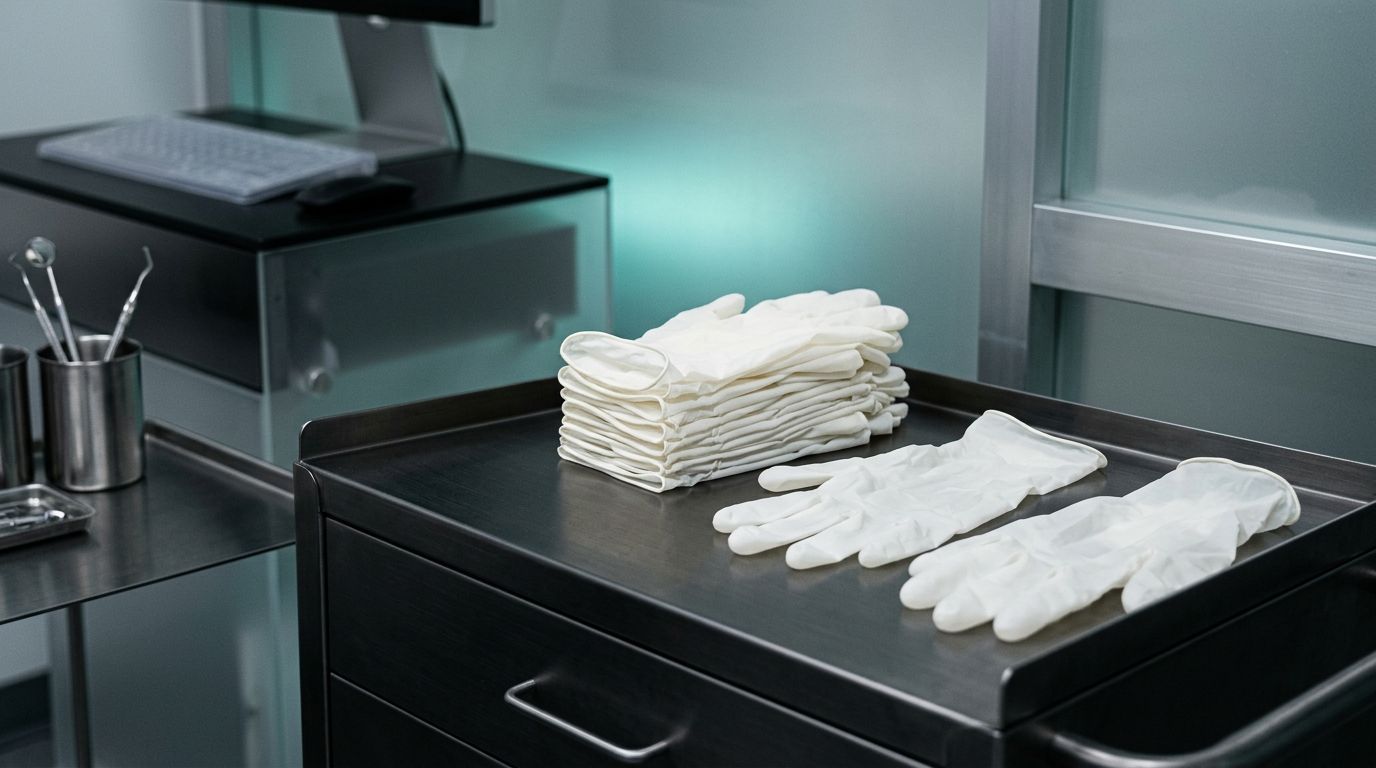
When was the last time you donned a pair of latex gloves? Maybe it was during a messy home project or while you were knee-deep in a DIY experiment. Personally, I remember the first time I used latex gloves; I was helping a friend paint their living room. Instead of speckling paint all over my favorite hoodie, I slipped on a pair of bright blue latex gloves, feeling like a pro. Little did I know then that I was not only protecting my clothes but also my skin from potential irritants. Let's dive deeper into the world of multipurpose latex gloves and explore their chemical resistance.
What Are Multipurpose Latex Gloves?
Multipurpose latex gloves are a staple in many households, workshops, and professional settings. These gloves are made from natural rubber latex, which provides excellent flexibility and tactile sensitivity, making them ideal for tasks that require dexterity like cooking, cleaning, or gardening.I remember using these gloves during a particularly ambitious cleaning spree. I had every intention of removing years of grime from my kitchen surfaces. The gloves felt snug and secure as I tackled the dirty dishes and stubborn stains. I was protected from harsh chemicals in my cleaning supplies, and my hands were left unscathed.
The Importance of Chemical Resistance
Ordering Wholesale Gloves for Your Facility?
Access our direct self-service portal for real-time tiered volume pricing, immediate proforma & GST invoice generation, and pan-India dispatch tracking.
One key aspect of multipurpose latex gloves is their chemical resistance. While they are versatile, they can also be highly effective barriers against many common household chemicals. However, it's essential to understand that not all latex gloves are created equal, and their resistance to chemicals can vary widely.One day, I found myself oiling my bike chain a messy task that requires both precision and protection. I reached for my reliable multipurpose latex gloves. They held up beautifully against the bike lubricant, allowing me to complete the task without any greasy residue on my hands. This experience made me appreciate the chemical resistance of these gloves and highlighted their practical value.
Common Chemicals and Latex Glove Resistance
So, what types of chemicals are multipurpose latex gloves resistant to? Here are a few common scenarios where they shine:1. Household Cleaners: Many household cleaners, including bleach and ammonia, are relatively safe to use with latex gloves. Just remember to wash your hands thoroughly afterward to minimize any risk of irritation.2. Personal Care Products: If you're mixing your own beauty treatments like hair dye or homemade scrubs latex gloves provide a protective barrier against harsh ingredients.3. Food Preparation: When handling raw meat or prepping foods with strong odors, latex gloves can keep your hands clean and free from bacteria.An anecdote comes to mind: I once made a large batch of salsa, chopping up onions and peppers. The pungent odor lingered on my hands long after my cooking session. In hindsight, using gloves would have saved me from that lingering smell.
Limitations of Latex Gloves
While latex gloves are versatile, they do have limitations. They are less resistant to certain solvents and oils than their nitrile counterparts, so it's vital to consider the specific chemicals you'll be working with.For instance, if you're engaging in a project involving paint thinners or heavy-duty solvents, it might be wise to use gloves made of other materials, like nitrile, which offer better protection against those harsher substances.
Practical Tips for Using Latex Gloves
- Choose the Right Size: A snug fit is essential. If the gloves are too big, you lose dexterity, and if they're too small, they can tear easily. Measure your hand and refer to sizing charts when buying.- Inspect Before Use: Always check your gloves for any punctures or damages before putting them on. A tiny hole can compromise their protective capabilities.- Don't Reuse: After a messy job, it's tempting to toss used gloves in a corner to potentially reuse them later. However, it's best to dispose of them after use to avoid cross-contamination.- Wash Your Hands Afterward: Even though you wore gloves, be sure to wash your hands thoroughly. It's a simple yet effective way to ensure you're not carrying any chemicals or pathogens.
Conclusion
Multipurpose latex gloves are a trusty companion in various tasks from cleaning to crafting and everything in between. Their chemical resistance, while not universal, provides adequate protection for a range of everyday projects. I've learned firsthand just how valuable they can be, having saved my hands from countless messes and potential irritants.So the next time you reach for those latex gloves, remember that you are not just gearing up for a mundane task. You're embracing a little extra protection, and who knows you might even feel a little like a professional. Whatever your next project is, make sure you're set up for success with your trusty latex gloves by your side!
What standards govern ANEMOI latex examination gloves?
ANEMOI examination gloves are manufactured under ISO 13485:2016 quality management systems and conform to EN 455 and ASTM standards with strict AQL 1.5 pinhole water-tightness testing.
How does Multipurpose latex gloves and their chemical resistance impact daily workplace safety?
Proper glove selection ensures optimal barrier integrity, tactile precision, and user dexterity while minimizing cross-contamination risks across medical, laboratory, and industrial environments.
Can facilities order wholesale cartons and request trial sample boxes?
Yes. Hospitals, clinics, and commercial facilities can request 1–2 box sample evaluation kits or access volume carton pricing directly via the ANEMOI B2B client portal.