Latex Gloves with Anti Slip Texture for Hospitals
- Barrier Performance: In-depth evaluation of the importance of grip in a hospital setting to ensure high tactile sensitivity and tear resistance.
- Clinical Ergonomics: Optimizing why choose latex gloves with anti-slip texture? to reduce user hand fatigue during prolonged operational shifts.
- Procurement & Standards: Regulatory compliance covering real-world scenarios across healthcare and industrial environments.
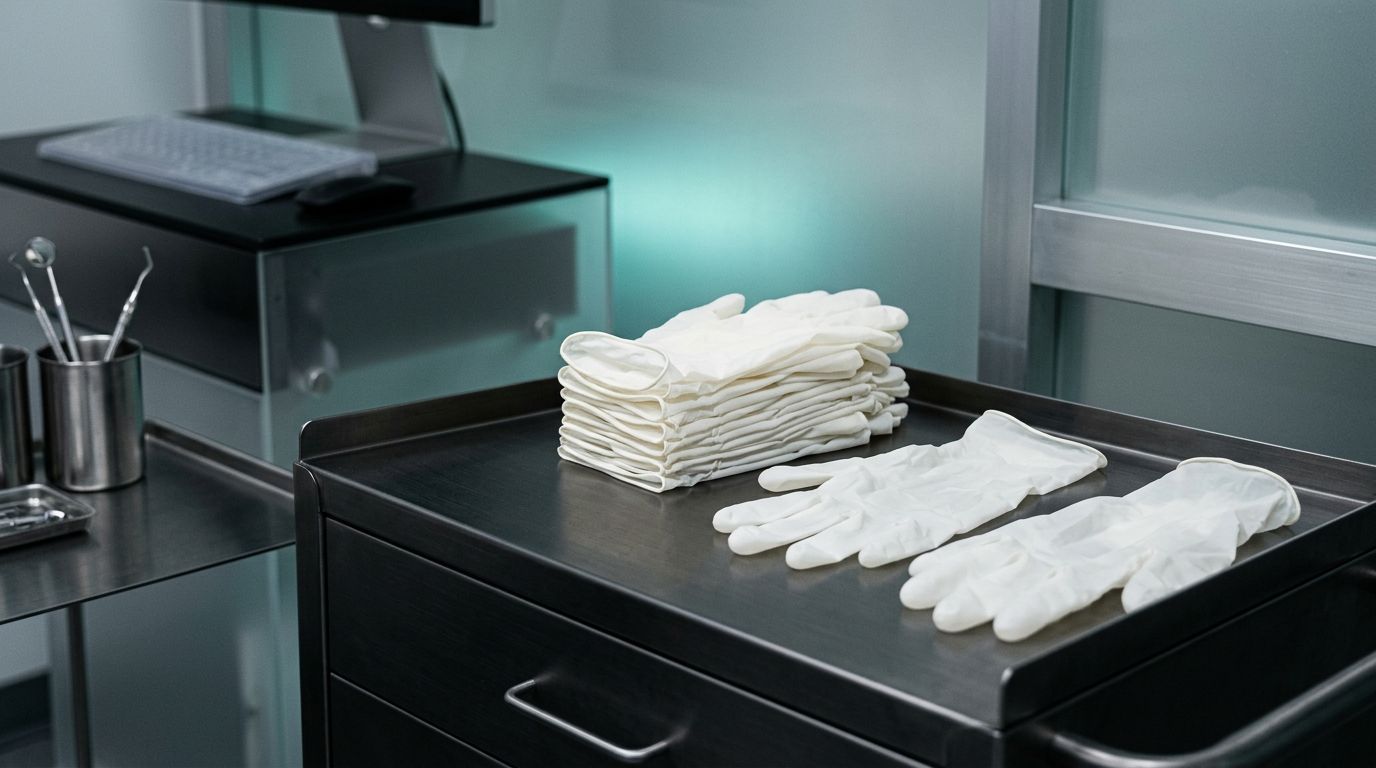
When it comes to hospital settings, the right equipment can make all the difference not just for the healthcare professionals, but for the patients as well. One often-overlooked item in this realm is the humble latex glove. But let's not forget, these gloves aren't just protective gear; they're an essential tool in delivering care safely and efficiently. This is where latex gloves with anti-slip texture come into play.
The Importance of Grip in a Hospital Setting
Picture this: a hectic day in the emergency room, nurses and doctors hustle through the aisles, tending to patients with a thousand things on their minds. Now imagine trying to grasp a syringe or hold onto fragile medical tools with slippery gloves. Not an ideal scenario, right? I remember a time when I was shadowing a nurse during my college days, and she quickly fumbled a vial of medication because her gloves didn't have any texture. The look on her face was one of sheer frustration. That little incident highlighted a significant concern: the importance of grip. Latex gloves with anti-slip textures solve this dilemma, offering the right balance between protection and functionality. The textured surface allows healthcare professionals to maintain a firm grip on their tools, thereby minimizing the chance of accidents something that is crucial in a busy medical environment under pressure.
Why Choose Latex Gloves with Anti-Slip Texture?
Ordering Wholesale Gloves for Your Facility?
Access our direct self-service portal for real-time tiered volume pricing, immediate proforma & GST invoice generation, and pan-India dispatch tracking.
Enhanced Safety
First and foremost, safety is the number one priority in healthcare. The textured grip can significantly reduce the risk of dropping instruments, especially those that are puncture-prone or sharp. For example, while administering injections or handling surgical instruments, having a reliable grip is essential. A slip can not only lead to expensive equipment damage but, more importantly, can pose a risk to patient safety.
Comfort and Fit
I recall a friend of mine who worked in a surgical ward. She often complained about how gloves would pinch or feel too loose, making her anxious during delicate procedures. The good news with many rubber latex gloves available today is that they are designed to fit snugly and provide comfort for extended wear. Thanks to the anti-slip texture, you can avoid excessive hand fatigue, enabling healthcare workers to stay focused on patient care instead of adjusting their gloves every few minutes.
Better Control
Let me paint another scenario. Imagine a doctor trying to perform a delicate task, such as suturing a wound or calibrating a monitor. If their gloves lack that essential grip, every tug or pull could lead to miscalculations. Conversely, with gloves that feature an anti-slip texture, the level of control significantly increases, ensuring that even the most intricate tasks can be performed smoothly and accurately.
Real-World Scenarios
When it comes to choosing latex gloves with anti-slip texture, think about the different roles within a hospital. For instance:- Surgeons need precise grip during sensitive operations, where a slip could be disastrous.- Nurses working in pediatrics often have to balance caring for small children while managing equipment. Slippery gloves can make the situation a lot tougher, while textured gloves would allow them to easily handle both patients and instruments.- Emergency responders benefit from quick access to supplies. Latex gloves that offer a solid grip ensure they can swiftly manage a scene without fumbling.
Practical Advice for Choosing the Right Gloves
1. Always Go for Quality: Not all latex gloves are created equal. Look for brands that are reputable and known for their durability and grip. A personal recommendation would be to choose gloves that meet the ASTM D3578 standards for medical exam gloves.2. Check for Certifications: Ensure the gloves have passed relevant tests and certifications, indicating they are safe and reliable for medical use.3. Fit Is Key: Everyone's hands are different. Try on different sizes to find the one that gives you the best fit. The snugger the fit, the better the grip!4. Read Reviews: Sometimes the best insights come from those who've used the gloves in real-world scenarios. Seek out reviews from healthcare professionals to know what works best.5. Test Out Different Brands: Like my friend in surgery learned trying a few brands might just lead you to the one that feels best!
Conclusion: A Simple Solution for Complex Needs
In the world of healthcare, a simple piece of equipment like a latex glove can have profound effects on safety and effectiveness. Choosing latex gloves with anti-slip textures offers a practical solution to common challenges. They empower healthcare professionals to perform their duties with confidence, ensuring the highest level of care for their patients.So, the next time you're in a hospital or thinking about the gear that healthcare professionals use, remember the role latex gloves play small but significant, indeed! And if you're in the industry, give those anti-slip textured gloves a try; sometimes, the smallest changes can lead to the biggest impacts.
What standards govern ANEMOI latex examination gloves?
ANEMOI examination gloves are manufactured under ISO 13485:2016 quality management systems and conform to EN 455 and ASTM standards with strict AQL 1.5 pinhole water-tightness testing.
How does Latex gloves with anti slip texture for hospitals impact daily workplace safety?
Proper glove selection ensures optimal barrier integrity, tactile precision, and user dexterity while minimizing cross-contamination risks across medical, laboratory, and industrial environments.
Can facilities order wholesale cartons and request trial sample boxes?
Yes. Hospitals, clinics, and commercial facilities can request 1–2 box sample evaluation kits or access volume carton pricing directly via the ANEMOI B2B client portal.