Latex Gloves That Meet Chemical Safety Standards
- Barrier Performance: In-depth evaluation of why chemical safety standards matter to ensure high tactile sensitivity and tear resistance.
- Clinical Ergonomics: Optimizing what to look for in latex gloves to reduce user hand fatigue during prolonged operational shifts.
- Procurement & Standards: Regulatory compliance covering brands you can trust across healthcare and industrial environments.
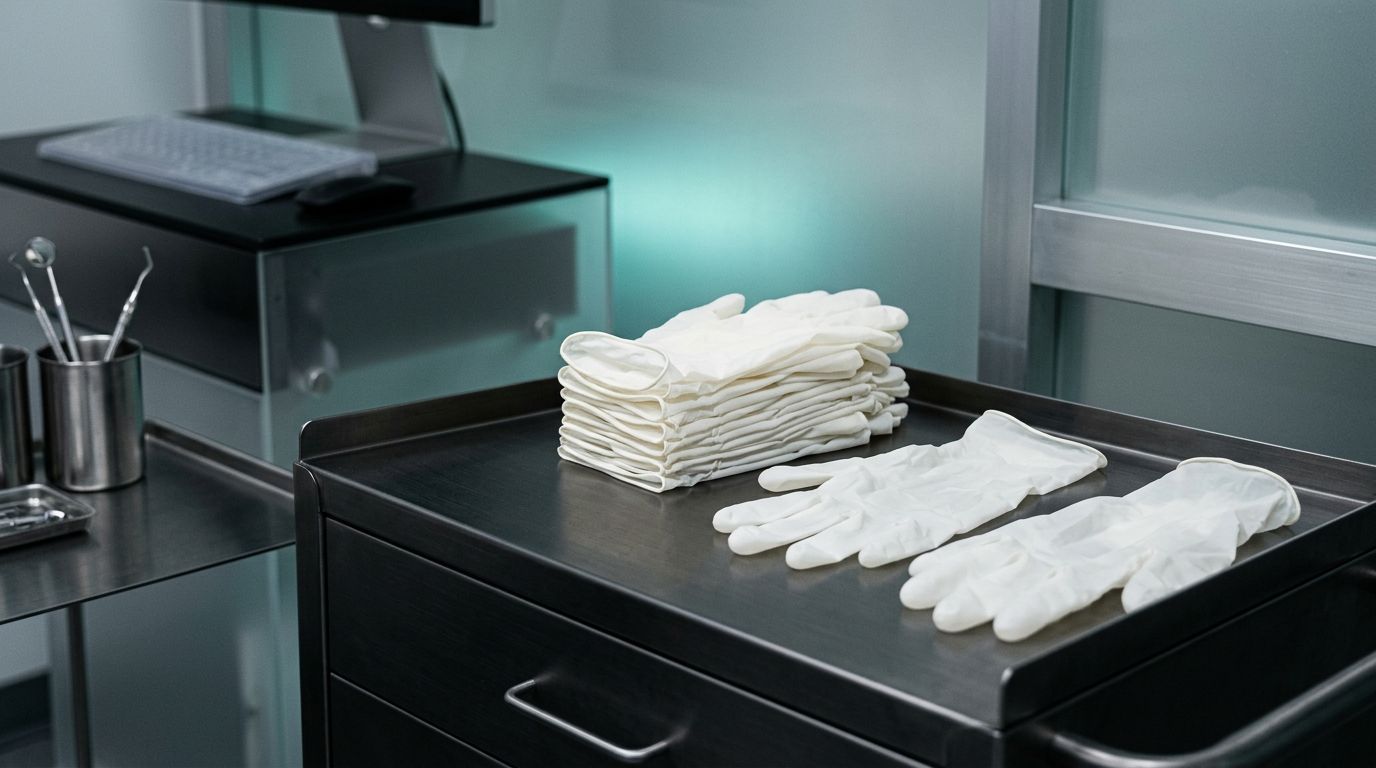
When it comes to working with chemicals in laboratories, hospitals, or even at home during DIY projects, safety should always be your number one priority. One of the most essential items on your safety checklist will undoubtedly be a good pair of latex gloves that meet chemical safety standards. As someone who has spent years in a research lab, I can tell you there's a world of difference between using a subpar glove and one that really safeguards your hands.
Why Chemical Safety Standards Matter
Let me share a quick story. Once, while conducting an experiment that involved some really volatile substances, I made the mistake of grabbing a cheap pair of gloves I found lying around. I thought, Oh, they'll do the trick. A few minutes into the experiment, I felt a slight stinging on my skin. Panic ensued as I realized I had made a rookie mistake. Fortunately, the damage was minimal, but I learned a valuable lesson: not all gloves are created equal.Chemical safety standards are crucial because they ensure that the gloves can withstand exposure to hazardous substances without degrading, tearing, or allowing harmful chemicals to permeate to your skin. The American Society for Testing and Materials (ASTM) and the National Institute for Occupational Safety and Health (NIOSH) set these standards, and it's essential to check that any gloves you're considering meet these guidelines.
What to Look For in Latex Gloves
Ordering Wholesale Gloves for Your Facility?
Access our direct self-service portal for real-time tiered volume pricing, immediate proforma & GST invoice generation, and pan-India dispatch tracking.
So, what exactly should you be looking for in latex gloves that meet chemical safety standards? Here are some key factors to consider:
1. Thickness and Durability
The thickness of the gloves can significantly impact their protective capabilities. Thicker gloves generally offer better protection against chemicals, but they can be less dexterous. Personally, I've found that a glove thickness of around 8 to 12 mils strikes the right balance for most lab work.
2. Chemical Resistance
Not all latex gloves are equally resistant to every type of chemical. Always check for the manufacturer's data sheets which list the specific chemicals the gloves have been tested against. For example, gloves designed for working with solvents may not be suitable for acids. After some trial and error, I now keep a list of essential gloves based on the chemicals I most frequently handle.
3. Comfort and Fit
Wearing gloves for long periods can be uncomfortable. I've made the mistake of ignoring this in the past, leading to sore hands and fatigue. Look for gloves that offer a snug yet comfortable fit. Some manufacturers even offer ergonomic designs or gloves with a soft inner lining to prevent irritation.
4. Gripping Surface
Let's talk about grip. When you're handling glassware or chemicals, a good grip is crucial. Textured gloves provide better traction. I vividly remember a day when I nearly dropped an expensive piece of equipment because my gloves were too smooth. Investing in high-quality gloves with a good grip can save you from such blunders.
Brands You Can Trust
Nowadays, many brands prioritize safety and comfort in their latex gloves. Some brands that have consistently met safety standards and provided positive user experiences include:- Ansell: Well-known for their extensive line of latex gloves specifically designed for chemical handling. I've often turned to Ansell when I need reliable gloves.- Kimberly-Clark: Their gloves are considered industry-standard in many settings, especially in medical environments.- Microflex: Another brand that combines comfort, dexterity, and chemical protection.
Picking the Right Pair for Your Needs
Don't be afraid to try a few different brands and styles. I remember the first time I donned a pair of Microflex gloves it was like a revelation. They were so comfortable and provided such good tactile response that I could handle even the most delicate components without worry.
A Personal Dose of Caution
If there's one cautionary tale I can provide, it's this: always double-check the expiration date on your gloves before using them. Gloves degrade over time, and using expired gloves can put you at risk. I learned this the hard way when I reached for a box of gloves that had been sitting in storage for over a year. The gloves turned out to be brittle and tore easily, putting me in a precarious situation.
Conclusion
Buying latex gloves that meet chemical safety standards isn't just a matter of compliance; it's a matter of personal safety. Whether you're a lab technician, a nurse, or simply a homeowner tackling a project that requires chemical interactions, investing in the right gloves can make all the difference. By ensuring the gloves you choose are thick enough, chemically resistant, comfortable, and provide a good grip, you will be setting yourself up for a safer experience.So next time you're about to dive into a project, take a moment to select the right protection for your hands. You have far more important things to focus on than worrying about potential chemical burns. Trust me, your future self will thank you!
What standards govern ANEMOI latex examination gloves?
ANEMOI examination gloves are manufactured under ISO 13485:2016 quality management systems and conform to EN 455 and ASTM standards with strict AQL 1.5 pinhole water-tightness testing.
How does Latex gloves that meet chemical safety standards impact daily workplace safety?
Proper glove selection ensures optimal barrier integrity, tactile precision, and user dexterity while minimizing cross-contamination risks across medical, laboratory, and industrial environments.
Can facilities order wholesale cartons and request trial sample boxes?
Yes. Hospitals, clinics, and commercial facilities can request 1–2 box sample evaluation kits or access volume carton pricing directly via the ANEMOI B2B client portal.