Latex Gloves Surgical Pack Historical Overview
- Barrier Performance: In-depth evaluation of the beginnings: a necessity arises to ensure high tactile sensitivity and tear resistance.
- Clinical Ergonomics: Optimizing the latex revolution: a game-changer to reduce user hand fatigue during prolonged operational shifts.
- Procurement & Standards: Regulatory compliance covering evolution to surgical packs across healthcare and industrial environments.
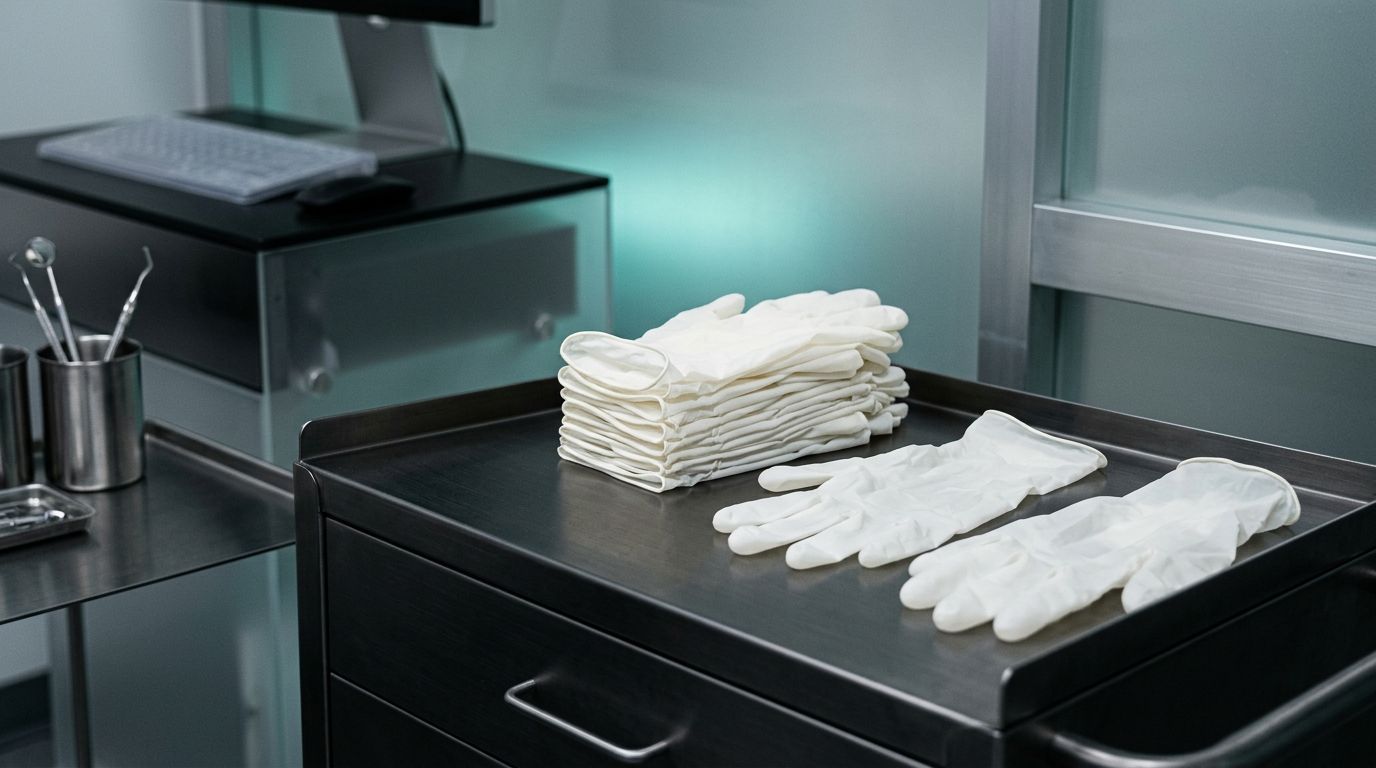
When it comes to the world of medicine, few innovations have had as profound an impact as the latex glove surgical pack. For many of us, a latex glove may seem like just a simple item used during medical procedures, but its history is rich and intertwined with the evolution of healthcare itself. In this article, we'll take a stroll down memory lane, exploring the development of the latex surgical gloves and how they morphed into the essential surgical packs we know today.
The Beginnings: A Necessity Arises
Picture this: the early 19th century, a time when surgical procedures began to gain momentum due to advancements in medical practices. Surgeons were performing life-saving surgeries but were often hindered by the lack of proper hygiene and protection. Before the introduction of gloves, many surgeons operated barehanded, exposing their patients to potential infections. Yikes! It all changed in 1889 when Dr. William Halsted, a prominent surgeon at Johns Hopkins Hospital, introduced the first rubber gloves. The personal anecdote here is that Dr. Halsted was reportedly motivated by the sensitive skin of his scrub nurse, Caroline Hampton, who suffered from frequent dermatitis. Imagine the conversations between them, the shared laughter and frustration in the face of a seriously challenging situation and then, the light bulb moment! By creating gloves, they not only improved safety for patients but also protected healthcare workers. From that point, the use of gloves began to spread, bolstered by the growing understanding of germs and the importance of sterilization introduced by pioneers like Joseph Lister. However, it wasn't until the mid-20th century that latex gloves became the norm in surgical settings.
The Latex Revolution: A Game-Changer
Ordering Wholesale Gloves for Your Facility?
Access our direct self-service portal for real-time tiered volume pricing, immediate proforma & GST invoice generation, and pan-India dispatch tracking.
By the 1960s, the use of latex had exploded. Latex gloves were officially adopted because they were not only durable but also provided an excellent barrier against bodily fluids. Picture being in an operating room, the tension palpable, as a surgeon deftly maneuvers through a complex procedure all while wearing these revolutionary gloves. In my early days as a healthcare worker, I remember donning my first pair of latex gloves before entering the OR. There's a certain comfort in that snap of rubber against your skin, knowing you would be shielded while also protecting your patient. It was a rite of passage! However, my fondest memory revolves around a time when a fellow nurse had an embarrassing mishap. While trying to put on gloves, she accidentally catapulted one across the room! We all erupted in laughter, and I'll never forget how that moment lightened the mood in the operating room before a complex surgery.
Evolution to Surgical Packs
As the 80s approached, the importance of comprehensive surgical packs began to take root. Medical professionals started recognizing the need for not just gloves but a complete set of sterile tools to ensure each operation's smooth execution. This realization gave rise to the development of surgical packs, which typically include sterile gloves, surgical drapes, sutures, and instruments. Imagine unpacking one of these surgical packs everything meticulously organized, like a treasure chest waiting to be unlocked. Having all the essential tools at hand during surgery is critical to success. I recall a surgeon once declaring, A well-prepared surgical pack is half the battle won! It highlights that not only do latex gloves serve a vital protective role, but the entire surgical pack system streamlines the process, making it quicker and safer for patients.
Challenges and Innovations
The 1990s brought new challenges, particularly allergies to latex. As more people began experiencing latex sensitivities, the medical community quickly responded. Alternative materials began to see increased usage, leading to the introduction of nitrile gloves that are latex-free. If you've ever had a glove allergy, you can relate to the frustration of not being able to wear what others take for granted. This development reminds us that even in medicine, one size does not fit all. Thankfully, the market now offers a variety of surgical gloves, ensuring every medical worker and patient can feel safe and comfortable during procedures.
Conclusion: A Continuing Legacy
So here we are, with an incredible narrative behind something as seemingly simple as a latex glove and its evolution into the surgical pack we know today. From the pioneering spirit of Dr. Halsted to the multi-faceted options we have today, the story of surgical gloves reflects the ongoing quest for safety and innovation in healthcare. Next time you see a pair of latex gloves, take a moment to appreciate their historical significance. They are not just tools; they embody decades of medical evolution and dedication. And hey, if you ever find yourself in an operating room, remember to hold onto those gloves tightly because sometimes, they might just fly into the air!
What standards govern ANEMOI latex examination gloves?
ANEMOI examination gloves are manufactured under ISO 13485:2016 quality management systems and conform to EN 455 and ASTM standards with strict AQL 1.5 pinhole water-tightness testing.
How does Latex gloves surgical pack historical overview impact daily workplace safety?
Proper glove selection ensures optimal barrier integrity, tactile precision, and user dexterity while minimizing cross-contamination risks across medical, laboratory, and industrial environments.
Can facilities order wholesale cartons and request trial sample boxes?
Yes. Hospitals, clinics, and commercial facilities can request 1–2 box sample evaluation kits or access volume carton pricing directly via the ANEMOI B2B client portal.