Latex Gloves Manufacturing Certifications in India
- Barrier Performance: In-depth evaluation of understanding the basics to ensure high tactile sensitivity and tear resistance.
- Clinical Ergonomics: Optimizing my personal journey in the industry to reduce user hand fatigue during prolonged operational shifts.
- Procurement & Standards: Regulatory compliance covering the importance of compliance across healthcare and industrial environments.
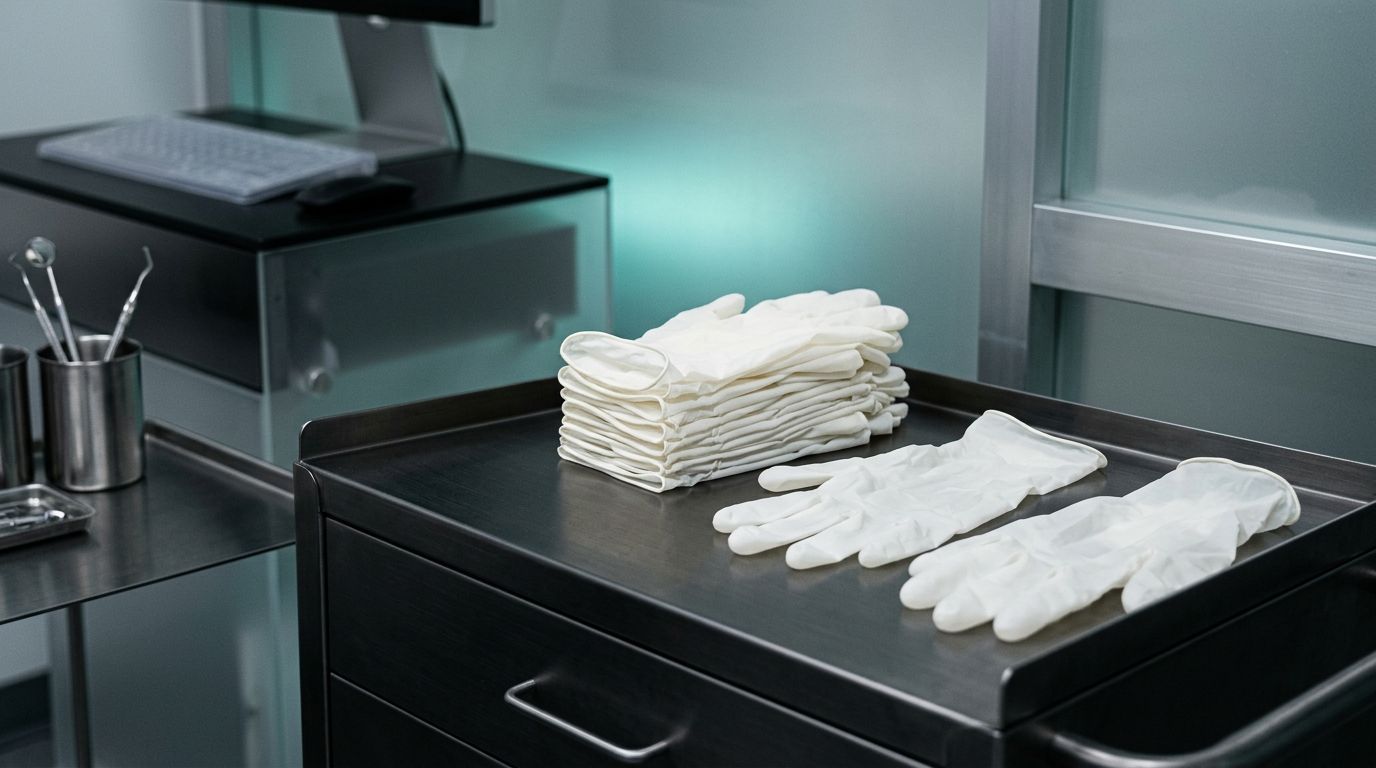
As the world continues to navigate health challenges and the importance of hygiene becomes paramount, the demand for latex gloves has surged dramatically. Whether you're in healthcare, food service, or manufacturing, having the right protection is essential. But have you ever wondered about the certifications behind the latex gloves you use every day? Let's delve into the world of latex gloves manufacturing certifications in India, making sure you get a good grasp of what they mean and why they matter.
Understanding the Basics
First, let's clarify what we mean by certifications. In the context of latex gloves manufacturing, certifications are standards that demonstrate a product's safety, quality, and efficacy. In India, several certifications apply, ensuring that gloves are suitable for various applications, whether in a hospital setting or a kitchen.
Key Certifications to Look For
1. ISO Certification: The International Organization for Standardization (ISO) sets international standards that organizations must comply with. For latex gloves, look specifically for ISO 13485 (related to medical devices) and ISO 9001 (quality management systems). These certifications indicate that the manufacturer adheres to international quality management practices.2. CE Marking: If you're sourcing gloves for European markets, CE marking is crucial. This indicates that the product has met European health, safety, and environmental protection standards.3. FDA Approval: If you're looking at markets in the USA, gloves must be manufactured in compliance with the U.S. Food and Drug Administration (FDA) regulations. This ensures that the gloves are safe for medical use.4. AAMI Levels: For healthcare applications, the Association for the Advancement of Medical Instrumentation (AAMI) defines different levels of protection provided by gloves. Knowing these levels can help you select the right pair for your needs.
My Personal Journey in the Industry
Ordering Wholesale Gloves for Your Facility?
Access our direct self-service portal for real-time tiered volume pricing, immediate proforma & GST invoice generation, and pan-India dispatch tracking.
I'll never forget my first experience dealing with latex gloves manufacturing. I was working for a healthcare company that needed to source gloves for our medical staff. We made the rookie mistake of going for the cheapest option, thinking we were saving costs. When the gloves arrived, it was a disaster! They tore easily and didn't meet our safety standards, which led to a big issue during an important procedure. This experience taught me a valuable lesson: always check for certifications. It's not just about price; it's about safety, effectiveness, and compliance with regulations. After that, we switched to a certified supplier, and the difference was night and day. The peace of mind knowing our staff was protected made all the difference.
The Importance of Compliance
When choosing latex gloves, compliance with manufacturing certifications isn't just a checkbox; it's a vital part of your decision-making process. By opting for manufacturers that uphold rigorous standards, you minimize risks associated with quality issues, which can lead to severe consequences in real-world scenarios.
Real-World Scenarios
Imagine this: You're in a hospital emergency room, and the medical staff reaches for latex gloves during a critical moment. If those gloves aren't certified and safe, the implications could be disastrous not just for the patient but also for the healthcare provider.Or consider a scenario in a food preparation area. Food safety regulations are strict for a reason. Latex glove compliance ensures that no contaminants from the gloves enter the food chain. A single failure could lead to health violations, angry customers, and a tarnished reputation.
Practical Advice for Buyers
1. Ask for Documentation: Always request certification documents from your suppliers. Reputable manufacturers will be happy to provide these.2. Stay Informed About Regulations: Regulations can change, so stay up to date with the latest requirements in your industry.3. Read Reviews and Testimonials: Feedback from other customers can give you insight into the reliability of the gloves and the manufacturer.4. Consider the Application: Understand your specific needs medical, food handling, or industrial and choose gloves certified for that use. 5. Trial Samples: Before committing to a large order, request samples to test for comfort and durability.
Conclusion
Navigating the realm of latex gloves manufacturing certifications in India could feel overwhelming, but it's crucial for ensuring safety and quality. Your choices make a difference, not just in terms of cost but in the levels of protection and reliability they offer. Reflecting back on my experience, the value of certifications became evident, making me an advocate for compliance and quality in everything I purchase.So next time you reach for a pair of latex gloves, take a moment to consider the certifications. They're not just a box to check off they're your first line of defense in ensuring safety. Happy sourcing!
What standards govern ANEMOI latex examination gloves?
ANEMOI examination gloves are manufactured under ISO 13485:2016 quality management systems and conform to EN 455 and ASTM standards with strict AQL 1.5 pinhole water-tightness testing.
How does Latex gloves manufacturing certifications in india impact daily workplace safety?
Proper glove selection ensures optimal barrier integrity, tactile precision, and user dexterity while minimizing cross-contamination risks across medical, laboratory, and industrial environments.
Can facilities order wholesale cartons and request trial sample boxes?
Yes. Hospitals, clinics, and commercial facilities can request 1–2 box sample evaluation kits or access volume carton pricing directly via the ANEMOI B2B client portal.