Latex Gloves Hygienic Applications in Healthcare
- Barrier Performance: In-depth evaluation of a little background on latex gloves to ensure high tactile sensitivity and tear resistance.
- Clinical Ergonomics: Optimizing the importance of hygiene to reduce user hand fatigue during prolonged operational shifts.
- Procurement & Standards: Regulatory compliance covering practical advice for healthcare professionals across healthcare and industrial environments.
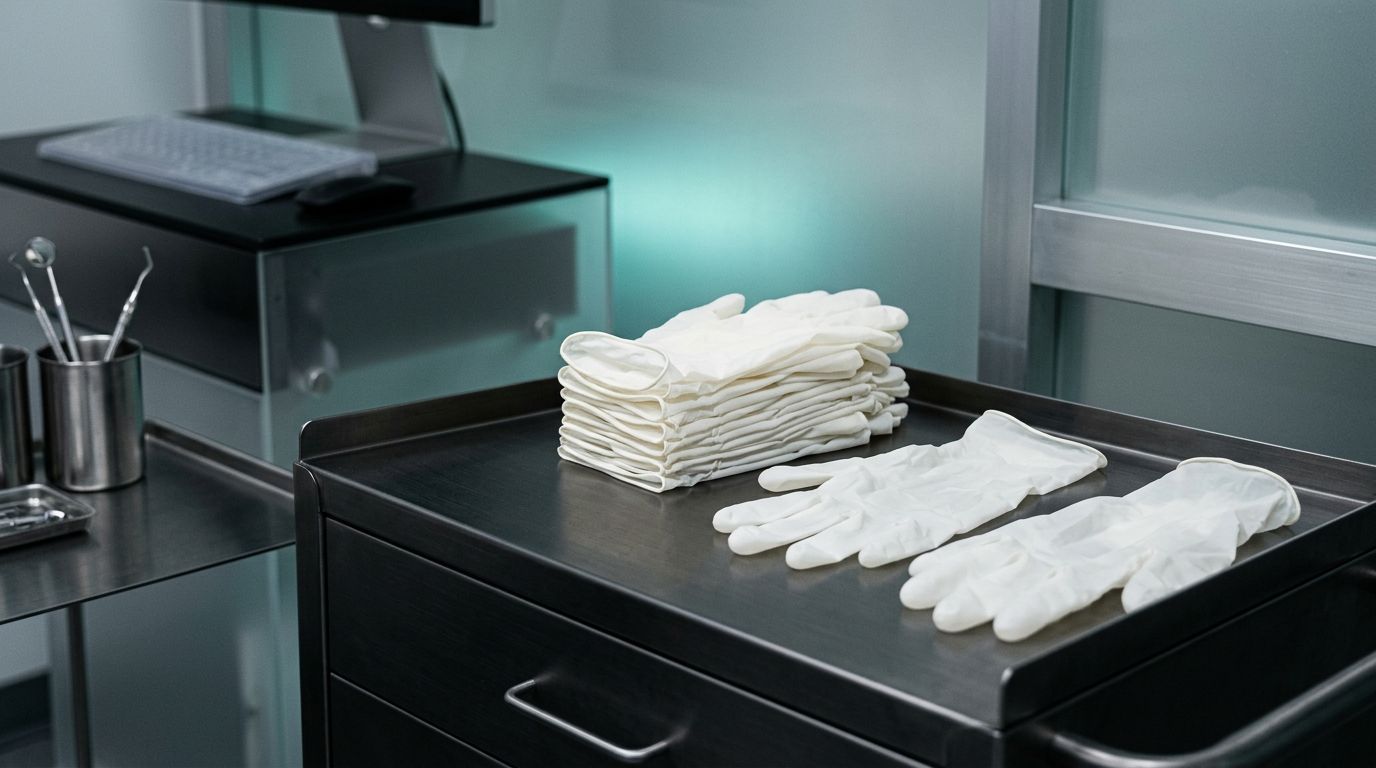
In the bustling world of healthcare, where every second counts and cleanliness is paramount, latex gloves have become an icon of hygiene. As someone who has spent considerable time in healthcare environments, let me take you on a journey through the essential role that latex gloves play in maintaining hygiene, protecting healthcare workers, and ultimately safeguarding patients.
A Little Background on Latex Gloves
Latex gloves have been around since the late 19th century, but they truly became popular in the 1980s when the importance of biohazard protection became undeniable. Made from natural rubber, these gloves provide effective barrier protection against various pathogens, making them the go-to choice for many healthcare professionals.
A Personal Anecdote
Think back to my first day as a medical intern. As I strolled into the bustling emergency room, I was both excited and a bit overwhelmed. I watched nurses and doctors move from patient to patient, each of them donning and doffing their gloves with the deftness of a magician. I remember asking one seasoned nurse, Why the rush with the gloves? A smile broke on her face as she exclaimed, These little guys protect us and our patients. It's like a shield!This moment stuck with me. It underscored the essential hygienic purpose of latex gloves in healthcare acting as a protective shield against infectious agents.
The Importance of Hygiene
Ordering Wholesale Gloves for Your Facility?
Access our direct self-service portal for real-time tiered volume pricing, immediate proforma & GST invoice generation, and pan-India dispatch tracking.
In the healthcare sector, hygiene goes beyond keeping things tidy; it's about protecting lives. Latex gloves serve several key hygienic applications that everyone in healthcare should be aware of.
1. Infection Control
One of the most critical applications of latex gloves is infection control. Every time a healthcare worker touches a patient, there is a risk of pathogen transfer. That's where latex gloves come in. They create a barrier that prevents the transmission of bacteria and viruses.Imagine a scenario: a nurse is treating a patient with a contagious infection. By wearing latex gloves, she not only protects herself from potential exposure but also ensures that she doesn't inadvertently spread the infection to other patients. This layer of protection is vital in preventing outbreaks in healthcare settings.
2. Safe Handling of Contaminated Materials
Another hygienic application of latex gloves is the safe handling of potentially contaminated materials, such as needles or surgical instruments. When you think about the number of needles that pass through a busy clinic in a single day, it's staggering! During my clinical rotations, I often assisted in minor procedures. I vividly remember holding a tray of instruments, all while wearing my trusty latex gloves. The comfort was reassuring, as I knew that even if I accidentally brushed against a sharp tool, the gloves would protect my skin from exposure to blood or bodily fluids.
3. Patient Protection
It's not just healthcare workers who benefit from the use of latex gloves. Patients are also protected during their interactions with medical staff. By ensuring that healthcare providers wear gloves, patients can feel more secure knowing that efforts are being made to safeguard their health.Once, I was observing a routine procedure where a doctor was drawing blood from a young child. The little one looked scared, but when the doctor smiled and said, See? My gloves will keep both of us safe, it instantly calmed the child. That simple statement highlighted how gloves help demystify medical procedures and foster trust between patients and providers.
4. Compliance with Safety Protocols
Lastly, the use of latex gloves is not just a recommended practice; it's often part of strict safety protocols and regulations in healthcare facilities. Compliance with these guidelines is critical in minimizing the risks of healthcare-associated infections (HAIs). Healthcare institutions invest a great deal into training their staff about proper PPE use, including gloves. During a staff meeting I attended, the compliance officer highlighted how glove usage correlates directly with reduced infection rates. It was eye-opening to see how such a simple item could play a significant role in the broader health landscape.
Practical Advice for Healthcare Professionals
So how can healthcare professionals maximize the benefits of latex gloves? Here are some practical tips:1. Choose the Right Size: Wearing gloves that fit well is crucial. Too loose, and they may slip off; too tight, and they can tear. Consider trying different brands to find the best fit.2. Change Gloves Frequently: Always change gloves when moving from one patient to another or after handling different types of materials. 3. Use for Both Invasive and Non-invasive Procedures: Don't just reserve gloves for surgeries; use them for any direct patient care or procedures involving bodily fluids.4. Practice Proper Glove Removal: The way you remove gloves can prevent contamination. Make sure to follow the peel away method to avoid contact with the outer surface.5. Be Mindful of Allergies: While many people can use latex gloves without issue, some individuals are allergic to latex. Always have alternatives, like nitrile gloves, available.
Conclusion
Latex gloves are more than just a piece of medical equipment; they are a critical component of infection control and patient safety in healthcare settings. With their capability to protect both healthcare providers and patients, the hygienic applications of latex gloves cannot be overstated.As you navigate your own healthcare journey, may you appreciate the small but mighty latex glove as a symbol of care, protection, and hygiene in an often chaotic, yet profoundly rewarding, industry. After all, every little action contributes to a bigger picture saving lives and maintaining health in our communities.
What standards govern ANEMOI latex examination gloves?
ANEMOI examination gloves are manufactured under ISO 13485:2016 quality management systems and conform to EN 455 and ASTM standards with strict AQL 1.5 pinhole water-tightness testing.
How does Latex gloves hygienic applications in healthcare impact daily workplace safety?
Proper glove selection ensures optimal barrier integrity, tactile precision, and user dexterity while minimizing cross-contamination risks across medical, laboratory, and industrial environments.
Can facilities order wholesale cartons and request trial sample boxes?
Yes. Hospitals, clinics, and commercial facilities can request 1–2 box sample evaluation kits or access volume carton pricing directly via the ANEMOI B2B client portal.