Latex Gloves for Surgical Instrument Sterilization
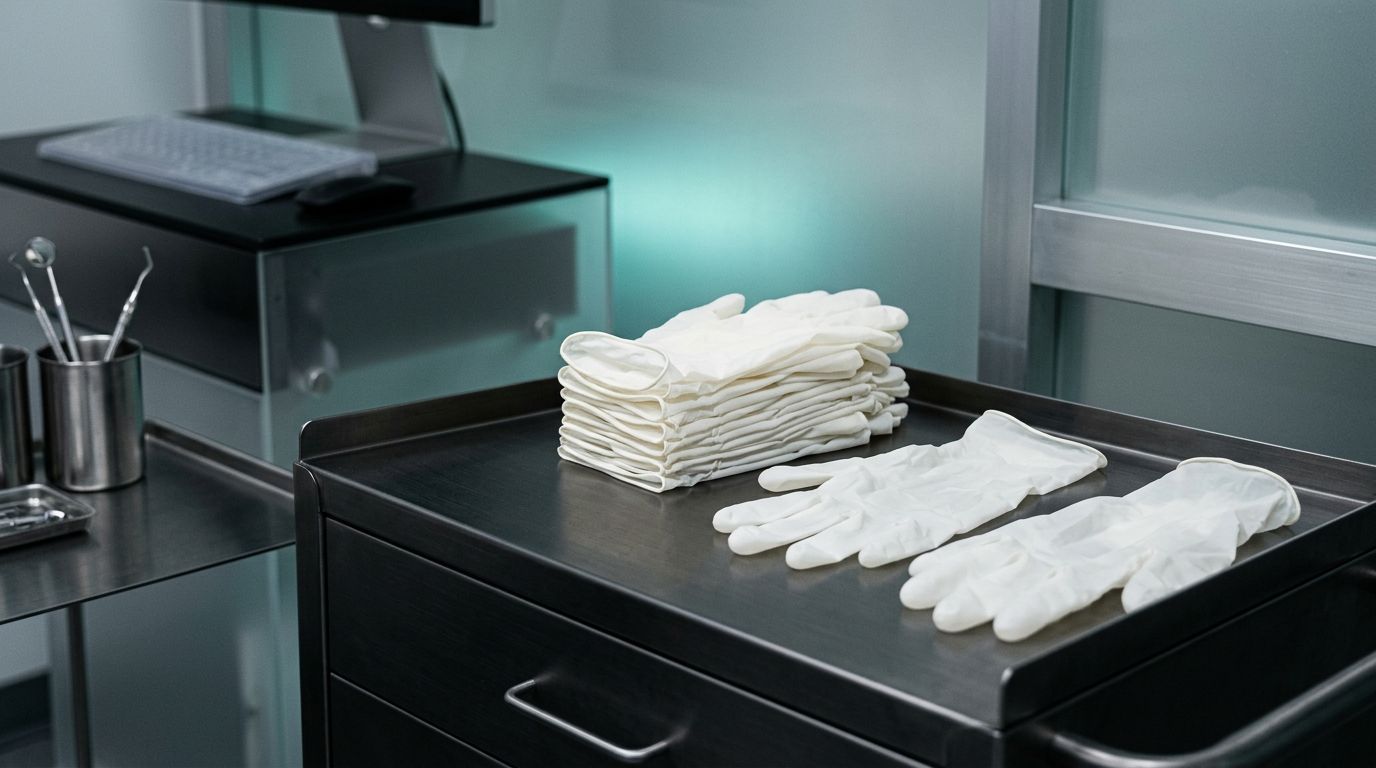
When it comes to surgical environments, precision and cleanliness can make all the difference between a successful procedure and a potential complication. One key player in maintaining a sterile environment is none other than latex gloves. While it might seem mundane, the importance of latex gloves for surgical instrument sterilization cannot be overstated. So, let's dive into why these small items are crucial for the health and safety of patients and medical staff alike.
The Essential Barrier
Just the other day, I was reminiscing about my early days as a medical assistant. One of my first lessons in the surgical suite was the significance of proper sterilization and the role latex gloves played. As soon as we donned those gloves, it felt like a protective barrier. I didn't just feel safe; I felt empowered, like I was part of something larger helping to protect patients as they underwent procedures.Latex gloves are known for their elasticity and comfort, which enables medical staff to perform intricate tasks without sacrificing sensitivity. This is particularly important during surgeries where precision is key. When you're maneuvering delicate instruments, the last thing you want is to lose that tactile feedback.
Personal Experience: The Day It Mattered Most
ANEMOI Medical Powder-Free Examination Gloves
Manufactured with high tensile strength (≥18 MPa) and micro-textured grip surface. Fully ISO 9001:2015 & CE Certified for hospitals, labs, and industrial safety.
I'll never forget one incident during a particularly hectic day at the clinic. We were prepping for a routine procedure, and the surgical team was a bit frazzled with equipment scattered everywhere. Just as we were about to begin, someone noticed that some of the surgical instruments hadn't been properly sterilized. Panic set in I've never seen a team scramble so fast.Amid the chaos, one seasoned nurse calmly donned a fresh pair of latex gloves, rallied the troops, and organized a quick but thorough sterilization of the instruments. That day, I learned that latex gloves are not only a physical barrier but also a psychological one. They gave us the confidence to handle the situation, knowing that we were protecting ourselves and our patient.
Why Latex?
Now, you might wonder, why specifically latex gloves? Sure, there are nitrile and vinyl options out there, but latex has been the gold standard for many years. Here are a few reasons why they continue to be a favorite:1. Superior Fit and Feel: Latex gloves conform snugly to the hands, providing a level of dexterity that's crucial when handling sharp instruments.2. Barrier Protection Against Pathogens: The efficacy of latex gloves in preventing the transmission of pathogens is impressive. They are thick enough to resist punctures while still offering flexibility.3. Cost-Effective: While latex may not always be the cheapest option upfront, its durability often makes it a more cost-effective choice in the long run.4. Natural Rubber Quality: Latex gloves are made from natural rubber, which allows for better breathability compared to synthetic alternatives. This is especially important for long surgeries where hands might become sweaty.
Practical Advice for Use
Now that we've established the importance of latex gloves in the surgical setting, it's vital to discuss how to use them correctly for sterilization processes:- Always Inspect Before Use: Check for any visible defects or tears. No one wants to be in the middle of a procedure performing surgery with compromised gloves.- Change Gloves Regularly: With every new task, especially when switching between different instruments or types of procedures, change your gloves. This prevents cross-contamination.- Proper Disposal: After finishing a procedure, dispose of latex gloves properly. They should go into a designated biohazard waste container to avoid environmental contamination.- Consider Allergies: Be aware that some individuals might have latex allergies. In such cases, alternatives like nitrile gloves can be used without compromising safety.
Final Thoughts: Safety First
As I reflect on my journey in the medical field, I realize that latex gloves for surgical instrument sterilization are not just an accessory; they are an essential tool in safeguarding health. They represent the commitment of medical professionals to uphold the highest standards of care.So, the next time you see a healthcare worker slip on a pair of latex gloves, know that it's more than just a routine. It's a crucial step in a meticulous dance that keeps patients safe and procedures successful. Whether you're a seasoned professional or a curious newcomer to the medical field, understanding the importance of latex gloves in sterilization practices not only enhances your knowledge but also contributes to the overall effectiveness of patient care. So, be mindful, be prepared, and most importantly, prioritize safety one glove at a time.