Latex Gloves for Specimen Collection in Medical Use
- Barrier Performance: In-depth evaluation of why latex gloves? to ensure high tactile sensitivity and tear resistance.
- Clinical Ergonomics: Optimizing the importance of specimen integrity to reduce user hand fatigue during prolonged operational shifts.
- Procurement & Standards: Regulatory compliance covering choosing the right gloves across healthcare and industrial environments.
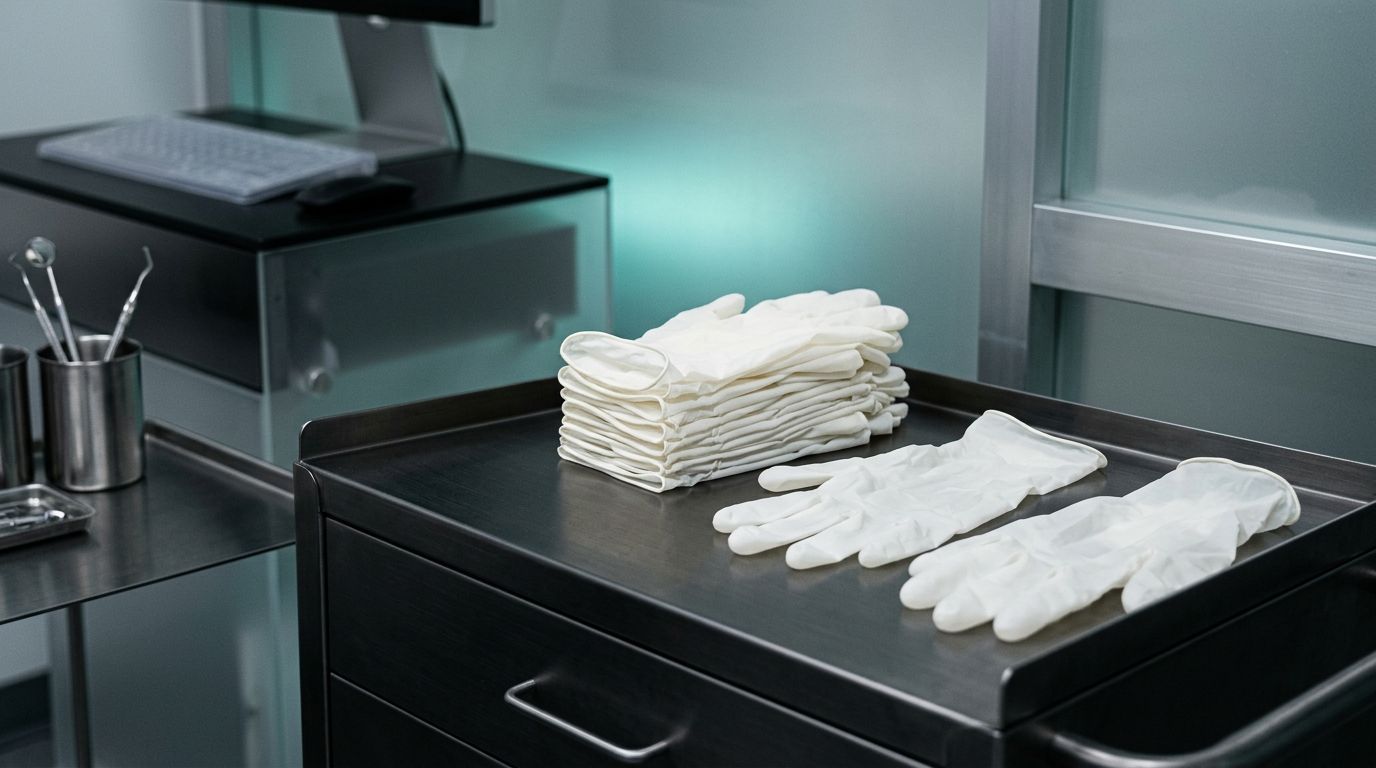
When it comes to the medical field, hygiene and safety are paramount. One of the simplest yet most essential tools that healthcare professionals rely on to maintain these standards is none other than latex gloves. Specifically, latex gloves for specimen collection in medical use play a critical role in both protecting the healthcare worker and ensuring the integrity of the specimens being collected. In this article, we'll explore the importance of latex gloves in medical settings, share some personal anecdotes, and provide unique insights into their use during specimen collection. Let's dive in!
Why Latex Gloves?
Latex gloves have been a staple in the medical community for decades, and for good reason. They offer an excellent barrier against pathogens, are comfortable to wear, and provide a great fit for dexterous tasks. Imagine a nurse getting ready to collect a blood sample. If they were to do so without gloves, not only would they be putting themselves at risk for exposure to bloodborne pathogens, but they'd also be compromising the cleanliness of the specimen.
Personal Anecdote: The First Time
When I first started my internship at a local clinic, I vividly remember assisting a phlebotomist during a busy day. I watched her move with such grace and confidence as she prepared to draw blood. One thing that struck me was how meticulous she was with her gloves. After each specimen collection, she would replace her gloves, ensuring no contamination occurred. It was a straightforward yet powerful demonstration of the importance of PPE (personal protective equipment).
The Importance of Specimen Integrity
Ordering Wholesale Gloves for Your Facility?
Access our direct self-service portal for real-time tiered volume pricing, immediate proforma & GST invoice generation, and pan-India dispatch tracking.
Latex gloves aren't just about protecting the healthcare providers; they also help in maintaining the integrity of the specimen collected. For instance, let's say you're collecting a urine sample. If any contaminants were to touch the sample even the oils or bacteria from bare hands the result could be a misdiagnosis or the need for a retest.I remember a colleague who told me about a time when he neglected to wear gloves while collecting specimens. The result? An inconclusive test, leading to an unnecessary repeat of the collection process, wasting both time and resources. If only he had taken the simple precaution of wearing gloves!
Advantages of Latex Gloves
1. Comfort and Feel: Latex gloves fit like a second skin, providing comfort during prolonged use. This is particularly useful during long shifts or intricate procedures.2. A Strong Barrier: These gloves are excellent at preventing transmission of infectious agents, making them ideal for any medical scenario involving specimen collection.3. Sensitivity: For tasks that require fine motor skills, latex gloves allow for great tactile sensitivity compared to thicker, bulkier alternatives.
Choosing the Right Gloves
Not all gloves are created equal! When selecting latex gloves for specimen collection, consider the following:- Size: It's vital to choose gloves that fit well. Gloves that are too tight can tear easily, while those that are too loose can slip off or reduce dexterity.- Type: There are different types of latex gloves, including powdered and powder-free. Powder-free gloves are often preferred in medical settings to avoid powder contaminating specimens.- Quality: Look for medical-grade gloves that meet ASTM (American Society for Testing and Materials) standards for durability and protection.
Relatable Scenario: The Busy Clinic Day
Picture this: It's a Monday morning at a busy clinic, patients flooding in for labs, and everyone is rushing to meet their schedules. The lab technician is juggling multiple specimen collections and suddenly realizes they've run out of gloves. Panic sets in for a moment what now? A quick trip to the supply room, a moment of deep breath, and they're back in action with fresh gloves on.This scenario emphasizes the importance of always being stocked up on latex gloves. Nobody wants to compromise patient safety or specimen integrity simply due to a lack of supplies!
Practical Advice for Efficient Use
1. Always Change Gloves: It may seem tedious, but always change gloves between different patients or specimen types. It's a small action that makes a big difference.2. Dispose Properly: After use, dispose of gloves in designated biohazard containers. It's not just about safety; it's the responsible thing to do.3. Be Cautious of Allergies: Some people may have allergies to latex materials. Always have non-latex alternatives on hand, such as nitrile gloves, for those patients or colleagues.
Conclusion
Latex gloves for specimen collection in medical use are more than just a requirement; they are an essential part of ensuring safety, cleanliness, and accuracy in medical practices. From my experiences and those anecdotes of my colleagues, it's clear that these small yet vital tools play a huge role in the overall effectiveness of healthcare.So, the next time you see a healthcare professional donning latex gloves, remember their choice is intricately tied to not just their safety, but yours as well. They're not just preparing for a task; they're protecting the health of everyone in that room. Let's champion the use of latex gloves, honoring their role in the medical field and ensuring that we maintain the highest standards of care and safety.
What standards govern ANEMOI latex examination gloves?
ANEMOI examination gloves are manufactured under ISO 13485:2016 quality management systems and conform to EN 455 and ASTM standards with strict AQL 1.5 pinhole water-tightness testing.
How does Latex gloves for specimen collection in medical use impact daily workplace safety?
Proper glove selection ensures optimal barrier integrity, tactile precision, and user dexterity while minimizing cross-contamination risks across medical, laboratory, and industrial environments.
Can facilities order wholesale cartons and request trial sample boxes?
Yes. Hospitals, clinics, and commercial facilities can request 1–2 box sample evaluation kits or access volume carton pricing directly via the ANEMOI B2B client portal.