Latex Gloves for Safety in Nail Salons
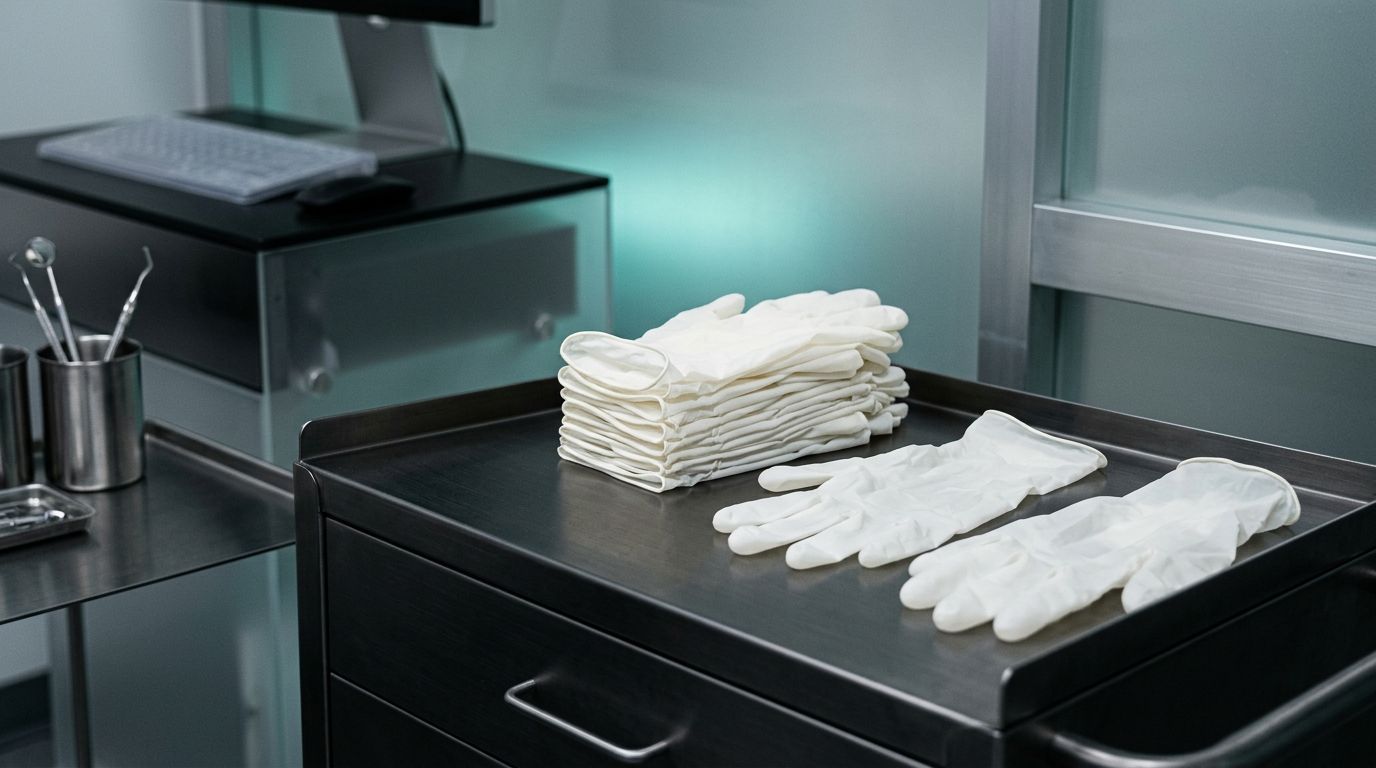
When I first stepped into a nail salon, like many people, my mind was all about the pampering the soothing music, the heavenly smell of polish, and, of course, the delightful feeling of perfectly manicured nails. However, as I observed the nail technicians working meticulously, I realized there was another layer of expertise going on beneath the surface and that was the safety protocols they followed, especially the use of latex gloves.
The Unseen Benefits of Latex Gloves
You might wonder why latex gloves are crucial in nail salons. For anyone who's ever had a manicure, you're probably thinking, They just protect the technicians' hands, right? While that's true, there's so much more to the story.
Protecting Skin and Nails
One evening, while enjoying my routine pampering session, I overheard a technician explain to a client how latex gloves protect not only her skin but also the clients' nails. The chemicals used in nail products can be harsh on the skin and nails. These gloves act as a barrier, ensuring that the technician's skin doesn't become irritated or damaged from constant exposure to these substances. Imagine being the technician soaking your hands in acetone or scrubbing nails with abrasive materials daily. Over time, this can lead to significant skin issues. By wearing gloves, nail techs can do their jobs effectively without compromising their health.
Infection Control
Another critical aspect that I learned is about infection control. Nail salons can become breeding grounds for fungal infections, especially with tools that are not sterilized properly. One of my friends once had a terrible experience after getting a pedicure she ended up with a nail infection because the salon didn't maintain proper hygiene standards. When technicians wear latex gloves, they limit the risk of transmitting bacteria or viruses between clients, especially when handling sensitive areas like cuticles. Picture this: A technician finishes a manicure on one client, then without changing gloves, starts working with another. This scenario can lead to infections that can seriously impact clients' health.
Choosing the Right Gloves
ANEMOI Medical Powder-Free Examination Gloves
Manufactured with high tensile strength (≥18 MPa) and micro-textured grip surface. Fully ISO 9001:2015 & CE Certified for hospitals, labs, and industrial safety.
Now let's talk about the types of gloves available. Latex gloves are popular, but not always ideal for everyone. Some clients, including my sister, suffer from latex allergies. In those cases, vinyl or nitrile gloves serve as a great alternative, providing similar protection without the allergic reaction. - Latex Gloves: Offer excellent sensitivity and fit.- Nitrile Gloves: A fantastic alternative for those with latex allergies; they are durable and puncture-resistant.- Vinyl Gloves: Affordable and suitable for low-risk tasks, but they don't provide the same level of barrier protection.
A Day in the Life of a Nail Technician
If you ever wondered what it's like to be a nail technician, consider this relatable scenario: You're in the middle of a busy Saturday at the salon, and the line of clients seems never-ending. Between manicures and pedicures, a technician encounters a challenging request an intricate nail art design that has her working very closely with the client. They've been chatting away, sharing stories, and suddenly, the client mentions a small cut on her finger that she didn't think was a big deal. In that moment, the technician instinctively checks her gloves. Having a pair of latex gloves on means she can continue working without fear of exposing herself or her client to any potential bacteria. It's these little moments where safety feels less like a procedure and more like an assurance.
Practical Advice for Clients and Salons
1. For Clients: Always check if your nail technician is wearing gloves. It's a simple step but a vital one for ensuring your safety during the treatment.2. For Salons: Provide training for technicians about the importance of wearing gloves and maintaining hygiene standards. Incorporate handwashing stations and educate both employees and clients about safe practices.3. Communication is Key: If you have any allergies or skin conditions, don't hesitate to speak up before your treatment begins. An experienced technician will appreciate your transparency and can adjust their practices accordingly.
Closing Thoughts
As someone who enjoys the occasional pampering day, I've come to appreciate the importance of safety in nail salons. Latex gloves are more than just a precaution; they represent a commitment to health and hygiene in a space that brings joy and relaxation to many.So the next time you settle into that cozy chair with your feet soaking in warm water, take a moment to acknowledge the behind-the-scenes efforts to keep everyone safe. And remember, a little extra care goes a long way both for the technicians and the clients. Let's keep enjoying those fabulous nails with peace of mind, knowing we're all in this safely together!