Latex Gloves for Patient Examination in Hospitals
- Barrier Performance: In-depth evaluation of why latex gloves? to ensure high tactile sensitivity and tear resistance.
- Clinical Ergonomics: Optimizing the importance of hygiene to reduce user hand fatigue during prolonged operational shifts.
- Procurement & Standards: Regulatory compliance covering choosing the right gloves across healthcare and industrial environments.
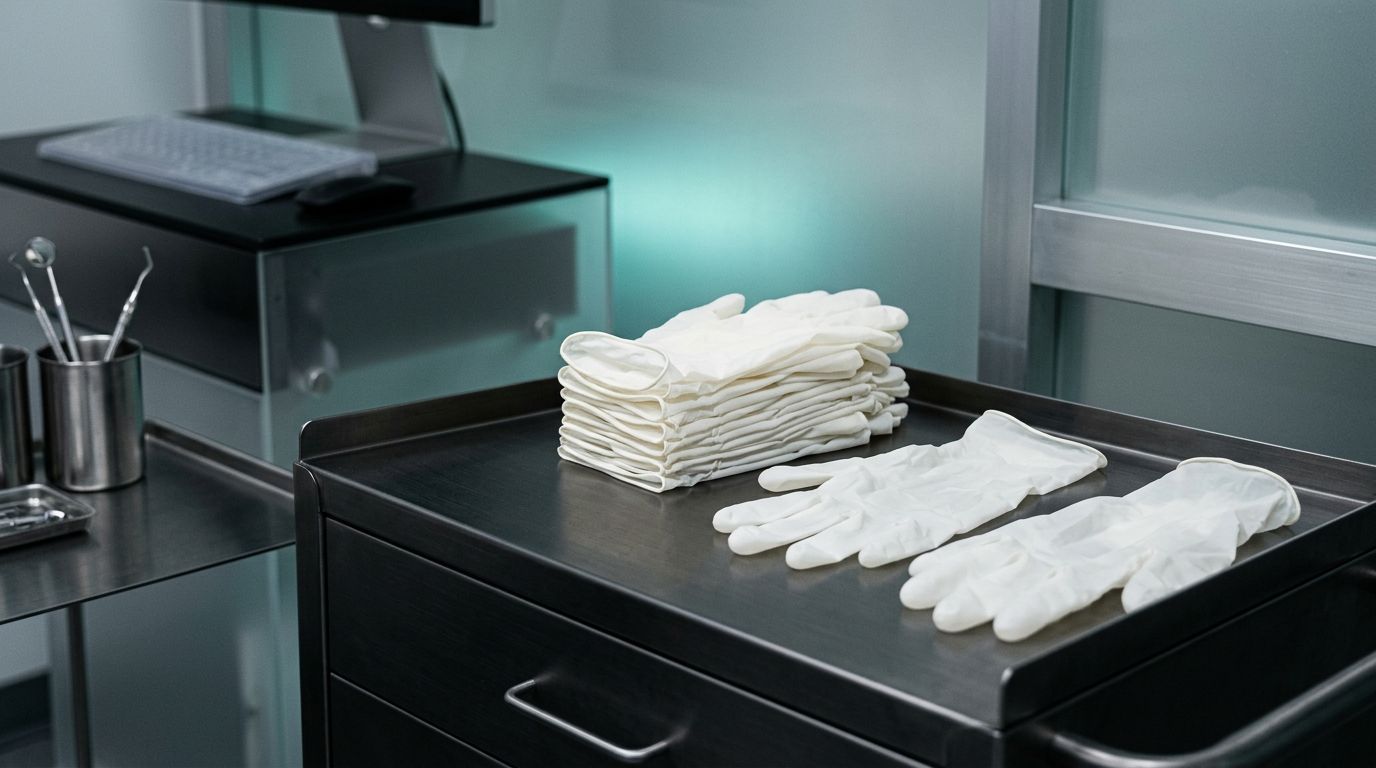
When you think about a hospital, several images might come to mind a bustling emergency room, nurses expertly maneuvering through halls, or a doctor comforting a patient. But one constant element that we often overlook is something as simple as latex gloves. These unassuming rubbery barriers play a vital role in patient examination and care, protecting both healthcare providers and patients alike.
Why Latex Gloves?
Latex gloves have been a staple in medical settings for decades. They offer a significant advantage due to their durability and tactile sensitivity. Picture this: it's a typical day in a hospital; nurses are checking vital signs, doctors are consulting on cases, and everything feels busy yet organized. But underneath it all, there's a layer of protection latex gloves.As a nursing student during my clinical rotations, I vividly remember the first time I donned a pair. I was nervous, fumbling to slip my fingers into the snug fit. My instructor smiled and said, These are your protection. They allow you to do your job safely. That moment made me realize how integral these gloves are to ensuring that patient examinations are hygienic and efficient.
The Importance of Hygiene
Ordering Wholesale Gloves for Your Facility?
Access our direct self-service portal for real-time tiered volume pricing, immediate proforma & GST invoice generation, and pan-India dispatch tracking.
In a bustling environment like a hospital, infection control is paramount. Hospitals attract a diverse array of patients, many of whom may have contagious diseases or other infections. Latex gloves serve as a barrier, reducing the risk of transmitting pathogens. Consider a scenario: a nurse enters a patient's room for a routine examination. With every touch measuring blood pressure, checking temperature, or even applying bandages there's a risk of spreading germs. By wearing gloves, the nurse protects herself and safeguards the well-being of the next patient on her list.
Real-Life Anecdote
During my clinical practice, I encountered a situation that showcased the importance of wearing latex gloves. One of my patients a sweet elderly gentleman was worried about his upcoming procedure. To reassure him, I mentioned how we would take every precaution to ensure his safety. While explaining the procedure, I slipped on my gloves. He looked at me and exclaimed, Oh, I feel safer already! It struck me then how something so simple could provide comfort.
Choosing the Right Gloves
Not all gloves are created equal. There are many options available, including nitrile and vinyl, but latex remains a popular choice due to its elasticity and comfort. It's essential to gauge the needs based on the examination type.For instance, during a routine check-up, a doctor may choose gloves that offer high sensitivity in touch, like latex, to maintain a tactile connection when palpating a patient's abdomen. Conversely, in scenarios involving heavier cleaning, like cleaning up after a surgery, nitrile might be the better option due to its puncture resistance.
Practical Advice
Here are a few quick tips for healthcare professionals when using latex gloves:1. Always Inspect the Gloves: Before using a pair, check for tears or defects. Even a small hole can compromise safety.2. Practice Proper Donning and Doffing: Make sure to follow the correct techniques. This includes washing your hands before putting on gloves and removing them without touching the outside to prevent cross-contamination.3. Know Allergies: Some individuals are allergic to latex. Always ask patients if they've had any adverse reactions. In such cases, having alternatives like nitrile gloves on hand is crucial.
The Psychological Impact of Gloves
Beyond their physical barrier function, latex gloves carry a psychological weight in a healthcare setting. For many patients, seeing their doctor or nurse wear gloves can create a sense of reassurance. It signifies that they are taking all necessary precautions to keep the situation safe.I remember a particular patient who was apprehensive about undergoing a minor procedure. As I approached her bedside, I put on my gloves slowly, giving her time to absorb the moment. She said, Seeing you in gloves makes me feel like I'm in good hands. That's when it dawned on me that our patients notice these details we may be preventing infection, but we are also fostering trust.
Conclusion
Latex gloves for patient examination in hospitals may seem like a trivial detail, but they are woven into the fabric of patient care. They protect not just against physical contact but also help build a relationship of trust between healthcare providers and patients. The next time you find yourself at a hospital, take a moment to appreciate the small but critical role these gloves play in ensuring safety and hygiene.Whether you're a seasoned healthcare professional or just starting in the field, remember: the seemingly mundane can be extraordinary in its impact. These gloves transform every interaction, making a healthy difference in the care we provide. So, the next time you're slipping on a pair, think about the lives you're touching literally and figuratively.
What standards govern ANEMOI latex examination gloves?
ANEMOI examination gloves are manufactured under ISO 13485:2016 quality management systems and conform to EN 455 and ASTM standards with strict AQL 1.5 pinhole water-tightness testing.
How does Latex gloves for patient examination in hospitals impact daily workplace safety?
Proper glove selection ensures optimal barrier integrity, tactile precision, and user dexterity while minimizing cross-contamination risks across medical, laboratory, and industrial environments.
Can facilities order wholesale cartons and request trial sample boxes?
Yes. Hospitals, clinics, and commercial facilities can request 1–2 box sample evaluation kits or access volume carton pricing directly via the ANEMOI B2B client portal.