Latex Gloves for Nursing and Care Homes
- Barrier Performance: In-depth evaluation of the unsung heroes of hygiene to ensure high tactile sensitivity and tear resistance.
- Clinical Ergonomics: Optimizing emphasizing safety and comfort to reduce user hand fatigue during prolonged operational shifts.
- Procurement & Standards: Regulatory compliance covering the balance of protection and allergies across healthcare and industrial environments.
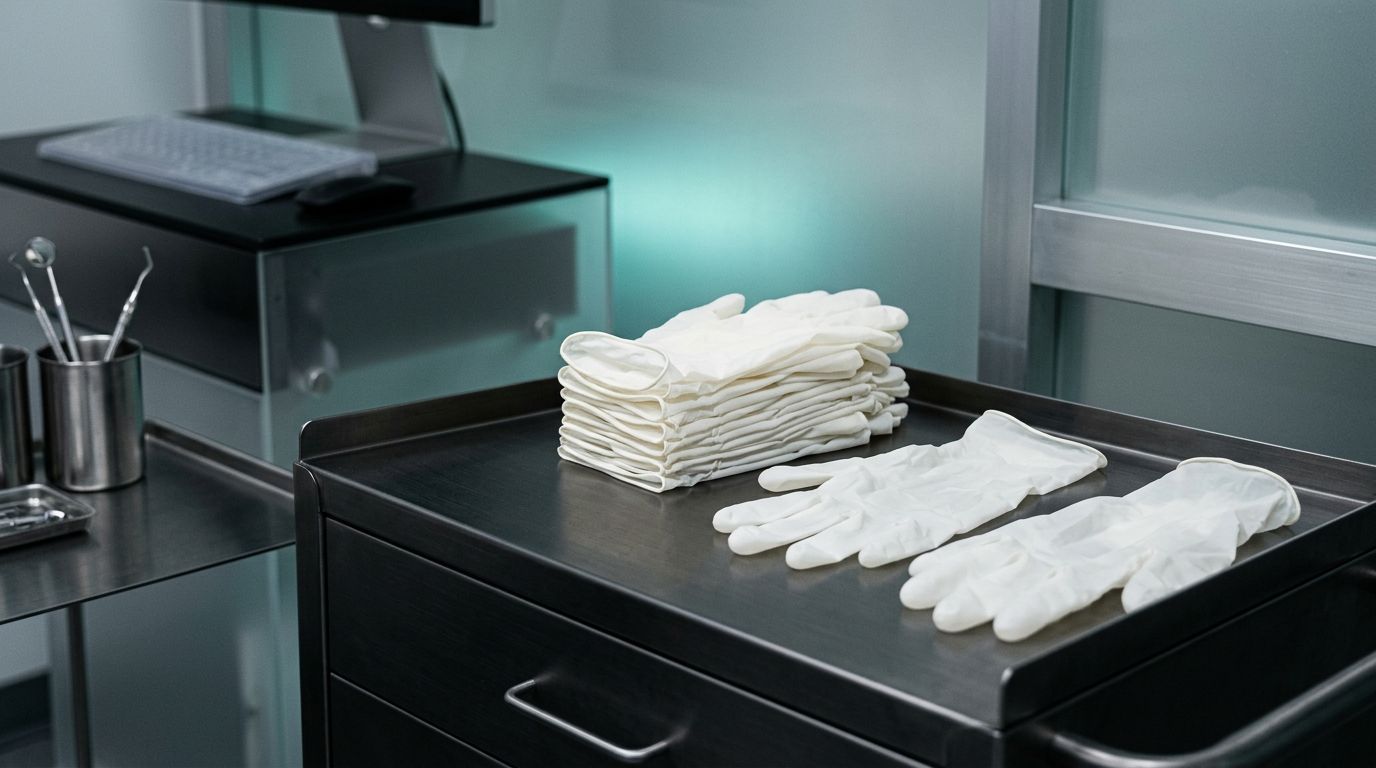
When it comes to healthcare, especially in nursing and care homes, the adage safety first couldn't ring truer. One everyday item that plays a pivotal role in ensuring that safety is maintained is something as simple as latex gloves. But have you ever stopped to think about the importance of latex gloves for nursing and care homes, or how they impact the daily lives of both caregivers and residents? Join me as we delve into the ins and outs of this essential equipment.
The Unsung Heroes of Hygiene
Let's start with a little personal anecdote. I remember visiting my grandmother in her nursing home last year. During one of my visits, I noticed a caregiver, Sarah, carefully putting on her latex gloves before checking on grandma. She had a focused yet gentle demeanor as she interacted with the residents, and it was clear that those gloves were more than just a precaution; they were a symbol of respect for the residents' health and well-being.Latex gloves serve as a barrier against dirt, germs, and contaminants. In nursing homes, where vulnerable populations reside, the risk of spreading infections is always a concern. This is where latex gloves come into play. They are designed to protect both the caregiver and the resident.
Emphasizing Safety and Comfort
Ordering Wholesale Gloves for Your Facility?
Access our direct self-service portal for real-time tiered volume pricing, immediate proforma & GST invoice generation, and pan-India dispatch tracking.
Choosing the right type of gloves can be a bit overwhelming. With so many options on the market, why opt for latex? Here's a point of clarity: latex gloves generally offer a snug fit and exceptional sensitivity. For caregivers, this is crucial. Imagine trying to help a resident button their shirt while wearing a pair of bulky rubber gloves. It just wouldn't work!
Real-Life Scenario
Meet Tom, a nurse at a local care home. He often talks about the time he wore non-latex gloves during a lengthy procedure. I was struggling to hold a small pill in the palm of my hand while trying to assist a resident, he recalls. I couldn't feel anything through those thick gloves! It was then that I realized how crucial the right gloves are for effective patient care.Tom's experience resonates with many healthcare professionals. Latex gloves allow for the dexterity needed to perform delicate tasks while ensuring that safety protocols are followed.
The Balance of Protection and Allergies
That being said, it's important to touch on a significant caveat: latex allergies. While many people can wear latex gloves without any issues, some residents may have sensitivities. As a caregiver, it's vital to be aware of this. If you're working in a care home and have a resident with a known latex allergy, opting for alternative materials like nitrile gloves is crucial.
A Handy Guide
Here's a quick checklist for caregivers to ensure they're choosing the right gloves:1. Know Your Residents: Always check for allergies. This is especially critical for new residents or those with a history of sensitivities.2. Choose Quality: Invest in high-quality latex gloves that offer both comfort and security. Look for brands that are recognized and trusted within the healthcare industry.3. Size Matters: Make sure to have a range of sizes available. Too tight and they'll be uncomfortable; too loose and they could lead to accidents.4. Glove Change Protocol: Remember to change gloves frequently, especially between different tasks or patients. This helps prevent cross-contamination.
Daily Life Example
On another occasion, I recall a story shared by Lisa, a care home manager. She instituted a glove change challenge among her staff to raise awareness about hygiene. They would time how quickly they could change their gloves between attending to different residents. Not only did it turn into an engaging team-building exercise, but it also ensured they remained vigilant in their hygiene practices.
Environmentally Friendly Practices
Sustainability is a buzzword we can't ignore in today's world, and gloves are often overlooked in eco-friendly conversations. Many manufacturers now offer biodegradable latex gloves or gloves made from sustainable materials. For care homes looking to reduce their carbon footprint, this could be an excellent opportunity to improve both safety and environmental impact.
Final Thoughts
In caring for seniors, attention to detail matters. Whether it's during a medication round, a meal assist, or a simple conversation, the choice of gloves is more significant than it appears at first glance. Latex gloves for nursing and care homes are not just a protective layer; they're a bridge to providing compassionate and effective care. They help maintain hygiene standards while allowing caregivers to connect with their residents on a personal level. So the next time you see a caregiver putting on their gloves, remember: it's not just about physical protection; it's about the dedication to health, respect, and the very human connection that makes care homes a place of dignity and warmth. Choose wisely, be aware, and keep those connections alive after all, caring is what it's all about.
What standards govern ANEMOI latex examination gloves?
ANEMOI examination gloves are manufactured under ISO 13485:2016 quality management systems and conform to EN 455 and ASTM standards with strict AQL 1.5 pinhole water-tightness testing.
How does Latex gloves for nursing and care homes impact daily workplace safety?
Proper glove selection ensures optimal barrier integrity, tactile precision, and user dexterity while minimizing cross-contamination risks across medical, laboratory, and industrial environments.
Can facilities order wholesale cartons and request trial sample boxes?
Yes. Hospitals, clinics, and commercial facilities can request 1–2 box sample evaluation kits or access volume carton pricing directly via the ANEMOI B2B client portal.