Latex Gloves for Medical Professionals in Hospitals
- Barrier Performance: In-depth evaluation of the unsung heroes of hygiene to ensure high tactile sensitivity and tear resistance.
- Clinical Ergonomics: Optimizing comfort meets functionality to reduce user hand fatigue during prolonged operational shifts.
- Procurement & Standards: Regulatory compliance covering a personal interaction: between gloves and patients across healthcare and industrial environments.
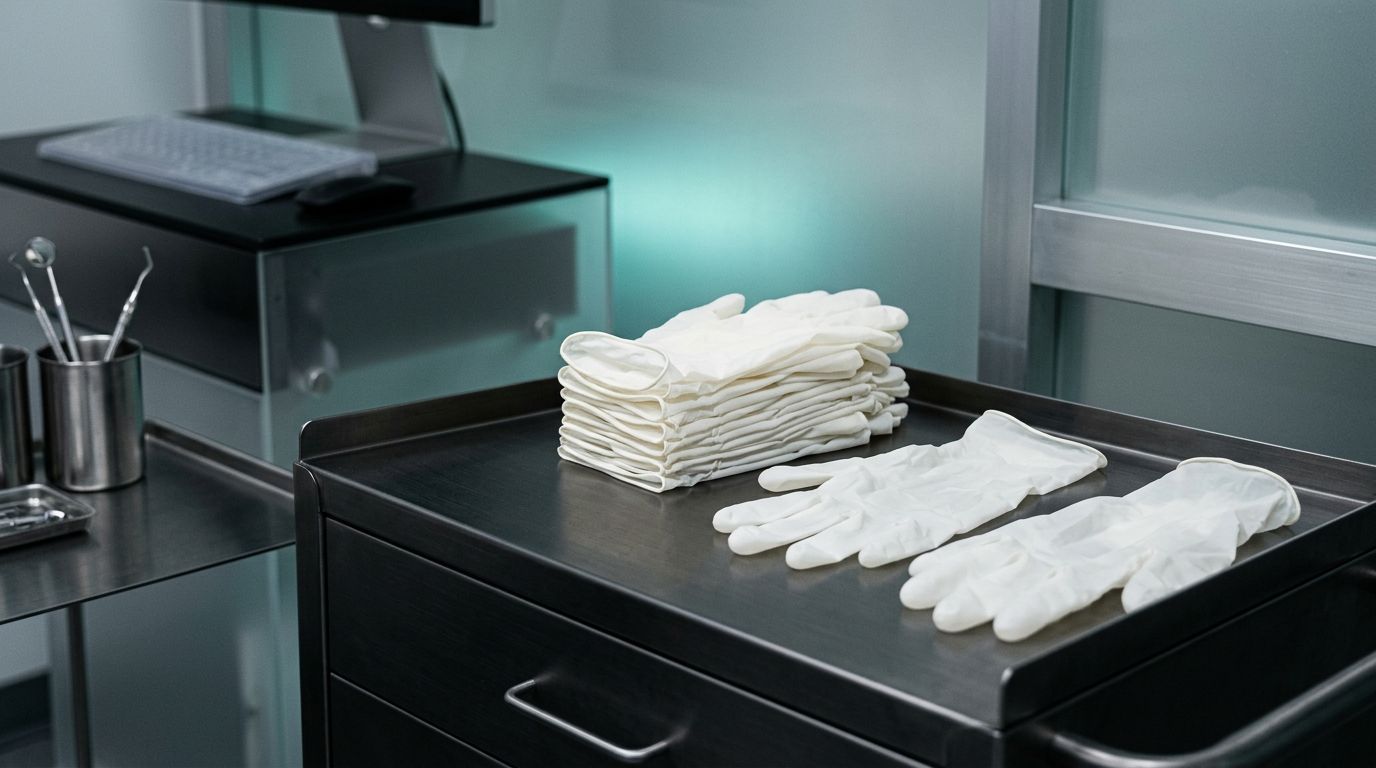
In the hustle and bustle of a hospital, every minute counts. The beeping machines, the hurried footsteps, and the terse conversations create a symphony of urgency. Amongst this chaos, one item stands out as both a shield and a second skin for medical professionals: latex gloves. Let's dive into the importance of these gloves in daily hospital life, share some personal anecdotes, and explore why they hold a special place in the world of healthcare.
The Unsung Heroes of Hygiene
Growing up, I had always seen movies depicting doctors and nurses surrounded by a flurry of activity, hands flying everywhere. It wasn't until I shadowed a friend who was a nurse in a busy ER that I understood just how vital latex gloves are. The first time she had to put on a pair while prepping for a procedure, I realized this wasn't just a mundane action; it was her way of saying, I care about your safety.Latex gloves serve as a protective barrier keeping contaminants away from healthcare professionals and patients alike. In an environment rife with pathogens, wearing gloves is not merely good practice; it's essential. For example, during my visit, I witnessed a patient who had come in for a minor surgery. My friend meticulously put on her gloves, ensuring they fit snugly. I could feel the tension in the air. Every movement mattered, and her gloves were her first line of defense.
Comfort Meets Functionality
Ordering Wholesale Gloves for Your Facility?
Access our direct self-service portal for real-time tiered volume pricing, immediate proforma & GST invoice generation, and pan-India dispatch tracking.
One of the things that struck me during my hospital visit was how latex gloves offered a level of comfort and flexibility that other materials sometimes lacked. Those gloves molded perfectly to the hands, allowing for dexterity that made handling delicate instruments feel second nature. Picture this: You're conducting a procedure, and you need to manipulate tiny components while ensuring that everything remains sterile. The last thing you want is for your gloves to tear or offer resistance. During my time with the nurse, I noticed how essential it was for her to have gloves that didn't compromise her sensitivity, especially while suturing a patient's incision. It's in these moments that the right glove can be the difference between a successful procedure and complications.
A Personal Interaction: Between Gloves and Patients
One might underestimate the emotional connection that can be formed through something as simple as a pair of latex gloves. I remember being present when my friend calmed a particularly anxious patient. As she donned her gloves, she engaged the patient in conversation, explaining the procedure step by step. See these gloves? she said, holding up her hands. They're not just to keep you safe. They're a part of our promise to you. We take every precaution. The patient visibly relaxed, understanding that her health was being prioritized. In that moment, the latex gloves transformed from a basic tool to a symbol of care and professionalism.
The Environment Matters
Another aspect that often goes unnoticed is the environmental factor of glove usage. In hospitals, the prevalence of latex allergies has driven many facilities to explore alternatives like vinyl or nitrile gloves. This is an important consideration, as some patients and even professionals themselves can suffer severe allergic reactions. When I spoke with my friend, she informed me about their hospital's careful selection process for gloves. They held regular training sessions, not just on usage but on awareness of allergies and the importance of having alternative glove options readily available. Practical advice? Always be aware of your team and your patients' needs and preferences regarding glove materials.
Best Practices for Using Latex Gloves
From my observations and experiences, here are some practical tips for using latex gloves effectively:1. Choose Quality Brands: Not all gloves are created equal. Opt for reputable brands that prioritize safety and comfort.2. Check for Allergies: Always inquire about latex allergies, especially with patients who may be sensitive. Having alternative options on hand can make a world of difference.3. Correct Usage: Ensure gloves fit well and cover the wrist. This prevents any gaps where contaminants can enter.4. Never Reuse: Latex gloves are single-use. Get into the habit of changing them between patients or procedures to maintain hygiene.5. Dispose Properly: Make sure to dispose of gloves in designated containers to minimize contamination risks.
The Future of Latex Gloves in Medicine
As we look towards the future, innovations in glove technology are emerging. While latex gloves will always have a significant role, we are beginning to see advances that blend comfort with enhanced safety features. Smart gloves that can detect contamination levels or monitor patient vitals are on the horizon. In conclusion, latex gloves for medical professionals in hospitals are far more than a simple accessory. They are crucial instruments of trust, comfort, and protection, integral to the patient-care experience. Every time I see my friend behind those gloves, I am reminded of their importance in healthcare settings a visible and tangible promise of safety, professionalism, and compassion. Next time you visit a hospital and see those familiar hands clad in latex, you might just remember the stories behind them and the lives they touch every day.
What standards govern ANEMOI latex examination gloves?
ANEMOI examination gloves are manufactured under ISO 13485:2016 quality management systems and conform to EN 455 and ASTM standards with strict AQL 1.5 pinhole water-tightness testing.
How does Latex gloves for medical professionals in hospitals impact daily workplace safety?
Proper glove selection ensures optimal barrier integrity, tactile precision, and user dexterity while minimizing cross-contamination risks across medical, laboratory, and industrial environments.
Can facilities order wholesale cartons and request trial sample boxes?
Yes. Hospitals, clinics, and commercial facilities can request 1–2 box sample evaluation kits or access volume carton pricing directly via the ANEMOI B2B client portal.