Latex Gloves for Meat Handling in the Kitchen
- Barrier Performance: In-depth evaluation of the importance of food safety to ensure high tactile sensitivity and tear resistance.
- Clinical Ergonomics: Optimizing personal anecdote: a messy situation to reduce user hand fatigue during prolonged operational shifts.
- Procurement & Standards: Regulatory compliance covering practical advice: choosing and using latex gloves across healthcare and industrial environments.
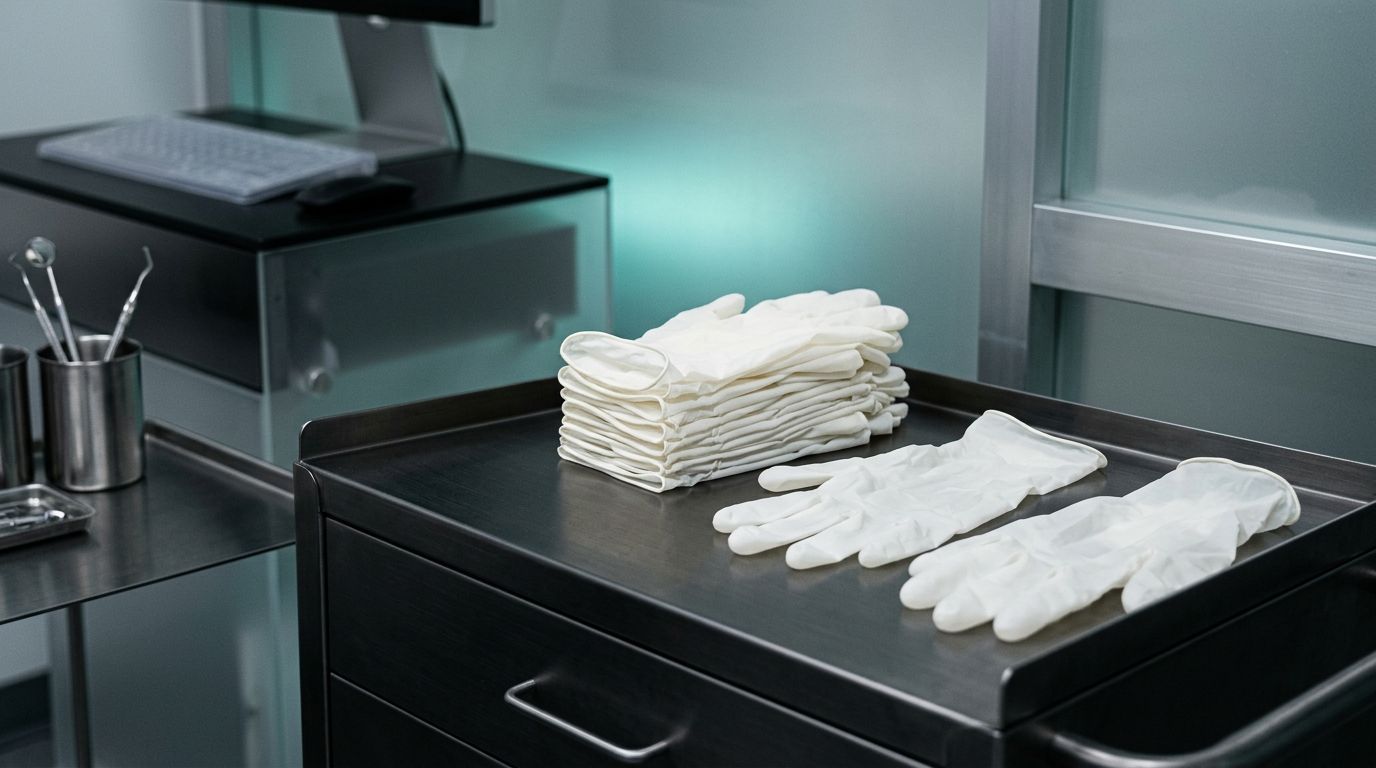
When it comes to cooking in the kitchen, especially when handling meat, we often find ourselves torn between the joy of culinary creativity and the practical necessities of food safety. One of the simplest yet most effective tools I've discovered in my kitchen arsenal is a pair of latex gloves. They may seem like an insignificant detail in the grand culinary scheme, but let me share why I believe they're an absolute must-have for anyone who enjoys cooking particularly when dealing with meat.
The Importance of Food Safety
First things first: food safety is no joke. I can't emphasize enough how important it is to prevent cross-contamination in your kitchen. Imagine this scenario: you've just prepared a luscious chicken marinade with garlic, herbs, and lemon juice. You get so caught up in the excitement of cooking that you forget to wash your hands after handling raw chicken. Then, while you're chopping veggies for a fresh salad, you inadvertently transfer those harmful bacteria onto your greens. Not good! That's where latex gloves come into play. By slipping on a pair, you can easily switch between handling raw meat and preparing fresh ingredients without worrying about transferring bacteria. It's a small step, but it makes a world of difference.
Personal Anecdote: A Messy Situation
Ordering Wholesale Gloves for Your Facility?
Access our direct self-service portal for real-time tiered volume pricing, immediate proforma & GST invoice generation, and pan-India dispatch tracking.
I still chuckle (and cringe) when I think about the time I decided to host a barbecue for my friends. I had grand plans; there were going to be marinated ribs, grilled veggies, and a show-stopping dessert. The day before the barbecue, I was in a rush to prepare everything. I marinated the ribs with my hands no gloves in sight! Halfway through, I realized the marinade had a thick garlic base, and my hands were practically anointed with it.The following day, as I was preparing the salad, I reached for the lettuce, only to find my fingers still pungently smelling of garlic. Not to mention the risk of transferring any chicken juices from my hands! I promised myself that I'd never let that happen again, and I invested in a box of latex gloves. Now, every time I cook with meat, those gloves are on!
Practical Advice: Choosing and Using Latex Gloves
When selecting latex gloves for meat handling, there are a few factors to consider:1. Size and Fit: Make sure to choose gloves that fit snugly but aren't too tight. A proper fit gives you better control and dexterity while handling food. I recommend trying out a couple of brands to find one that feels just right.2. Thickness: While it may be tempting to go for the thinnest gloves, a bit of thickness provides extra protection against punctures. Look for a pair that's sturdy enough to handle a marinating session or meat preparation without tearing easily.3. Powdered vs. Powder-Free: Some gloves come powdered for easier donning, but I prefer powder-free options, especially when I'm working with food. No one wants that extra dust in their delicious meal!4. Textured Grip: Especially when dealing with slippery meats, textured gloves can offer a better grip. This feature can help prevent accidents (e.g., dropping a whole chicken!) and keeps your hands securely grasped around those slippery cuts.
Relatable Scenarios: Everyday Use of Latex Gloves
Let's talk about some everyday kitchen scenarios that highlight the usefulness of latex gloves:- Meal Prep: If you're batch cooking or meal prepping for the week, gloves can streamline the process. For example, if you're making meatballs, you can mix your ingredients without worrying about raw meat germs. Once you're done, just toss the gloves, and your hands are clean no need for multiple rounds of washing.- Handling Seafood: If you've ever dealt with fish, you know it can leave a strong odor that lingers long after cooking. Wearing gloves while filleting or marinating can help keep that fishy scent off your hands. Trust me; your friends will thank you when they don't have to endure the fish hands smell at dinner!- Cleaning Up: After handling raw meat, it's essential to sanitize your workspace. With gloves on, you can effortlessly wipe down surfaces, toss trash, and even wash utensils without getting your hands dirty.
Final Thoughts: Embrace the Glove Life
I know that for some, wearing latex gloves while cooking might feel a little clinical or unnecessary. But consider this: cooking should be a joyful experience, not one laced with the stress of contamination concerns. In my experience, once you start using latex gloves for meat handling, you won't want to go back.So next time you whip up a delicious beef stew, succulent BBQ pork, or an elegant roast chicken, consider donning a pair of latex gloves. Protect yourself, your loved ones, and your meal from unwanted residues and bacteria. It's a small gesture that leads to a big impact in both safety and the overall cooking experience.Happy cooking, and may all your culinary adventures be safe, fun, and mess-free!
What standards govern ANEMOI latex examination gloves?
ANEMOI examination gloves are manufactured under ISO 13485:2016 quality management systems and conform to EN 455 and ASTM standards with strict AQL 1.5 pinhole water-tightness testing.
How does Latex gloves for meat handling in the kitchen impact daily workplace safety?
Proper glove selection ensures optimal barrier integrity, tactile precision, and user dexterity while minimizing cross-contamination risks across medical, laboratory, and industrial environments.
Can facilities order wholesale cartons and request trial sample boxes?
Yes. Hospitals, clinics, and commercial facilities can request 1–2 box sample evaluation kits or access volume carton pricing directly via the ANEMOI B2B client portal.