Latex Gloves for Laboratory Use in Chemical Analysis
- Barrier Performance: In-depth evaluation of understanding the basics of latex gloves to ensure high tactile sensitivity and tear resistance.
- Clinical Ergonomics: Powder-free anatomical fit designed to prevent skin irritation and cross-contamination.
- Procurement & Standards: Direct wholesale availability with pan-India 24–48h dispatch via our B2B procurement portal.
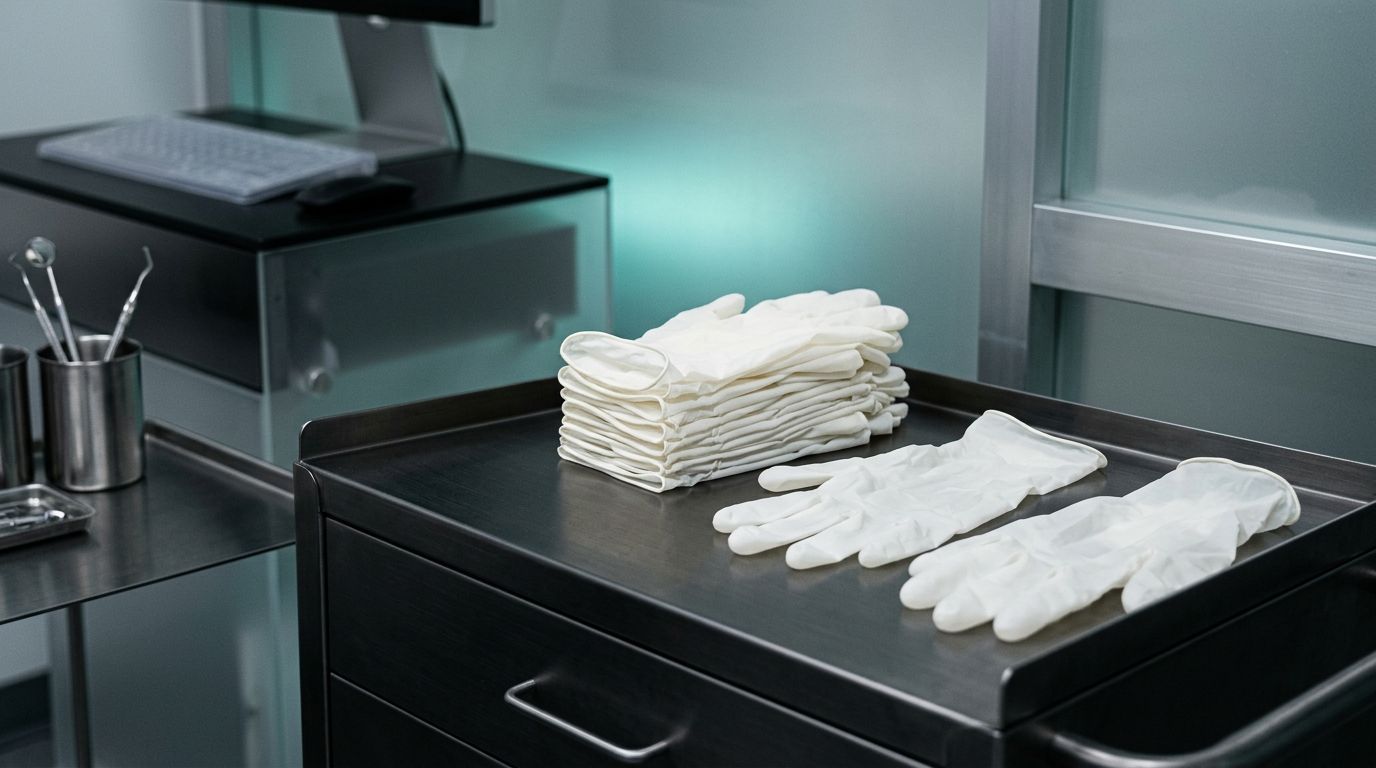
When I first stepped into a laboratory for my chemistry class, I was struck by the plethora of equipment and the faint smell of various chemicals wafting through the aisles. It was a whole new world of inquiry, precision, and safety. One of the first things my instructor emphasized was the importance of personal protective equipment PPE which included the iconic latex gloves. So, let's dive into why latex gloves are not just a formality in the lab but a crucial component for safe and effective chemical analysis.
Understanding the Basics of Latex Gloves
Latex gloves are made from natural rubber latex, offering a unique combination of comfort and dexterity. They're flexible, provide a strong barrier against a variety of chemicals, and are often more affordable than their synthetic counterparts. But don't let that affordability fool you; latex gloves are widely used in laboratories due to their excellent tactile sensitivity, making them ideal for precision tasks that require a delicate touch.
Why Use Latex Gloves in Chemical Analysis?
In my experiences tinkering with test tubes and beakers, I learned that the world of chemical analysis can quickly become hazardous without proper precautions. Chemicals can be caustic or toxic, and exposure can lead to serious health risks. Wearing latex gloves serves several purposes:1. Protection Against Chemical Burns: Some chemicals can cause severe skin irritations or burns. For instance, I remember mixing hydrochloric acid during a lab experiment. Had I not worn latex gloves, my skin could have suffered serious damage.2. Contamination Prevention: When analyzing samples, it's crucial to avoid cross-contamination. Latex gloves provide a clean barrier between your skin and the samples you're handling. This is especially important when working with sensitive substances like DNA or blood samples.3. Easy to Use and Dispose: The nature of laboratory work often involves rapid changes between tasks. I fondly recall the adrenaline of switching from one experiment to another. Latex gloves are easy to put on and remove, making it efficient to keep safety protocols while multitasking.
Choosing the Right Latex Gloves
Not all latex gloves are created equal. Here's what to consider when selecting the right pair for chemical analysis:- Thickness: Look for gloves that are specifically rated for laboratory use. Thicker gloves often provide better protection against harsh chemicals.- Size & Fit: Wearing the right size is crucial. Gloves that are too loose might slip off, while those that are too tight can tear. When I first started, I didn't pay much attention to fit only to find myself dealing with a gap where my glove had rolled down.- Textured vs. Smooth: If you're handling small equipment, textured gloves offer a better grip. I once dropped a delicate pipette during a critical experiment because my smooth gloves lacked the grip I needed.
Personal Anecdote: The Importance of Gloves
Let me share a little story from my lab days. During one afternoon of intense analysis of a sample suspected to be contaminated, I was deep into my work. As I prepared to use a dropper to add a reactive solution, I accidentally knocked over a beaker, spilling nitric acid all over my workstation. Thankfully, I was wearing my trusty latex gloves! Not only did I maintain my composure, but I also avoided any skin contact with the acid. This incident became a running joke in our lab, but it underscored the vital role that proper PPE plays in the lab.
Best Practices for Using Latex Gloves
To truly benefit from the protection that latex gloves offer, here are some practical tips you should consider:1. Inspect Before Use: Always check for holes or tears before using a pair. I once missed a small puncture, which led to a small mishap during a sensitive experiment. 2. Change Regularly: If you're switching between different chemicals or tasks, it's prudent to change gloves frequently. This is something I learned the hard way when I didn't realize I'd carried over a contaminant from one experiment to another.3. Dispose Properly: Remember, once you're done with your gloves, they should be disposed of according to your lab's safety protocols. Latex gloves can pose a risk if not disposed of properly, especially if they've been in contact with hazardous materials.4. Consider Allergies: Some people may have latex allergies. If you or any of your colleagues are prone to reactions, consider nitrile gloves as an alternative. They provide excellent protection without the risk of allergic reactions.
Conclusion: Stay Safe and Curious
In the grand journey of scientific exploration, safety should never take a backseat. Latex gloves are an invaluable asset, especially during chemical analyses. They not only protect you but also help in maintaining the integrity of your work. Whether you are a seasoned scientist or a student just starting, always prioritize the right protective gear.So the next time you plan a session in the lab, remember that those handy latex gloves are there to protect you and make your scientific adventure safer! Get ready to mix, analyze, and discover all while keeping your hands safe!
What standards govern ANEMOI latex examination gloves?
ANEMOI examination gloves are manufactured under ISO 13485:2016 quality management systems and conform to EN 455 and ASTM standards with strict AQL 1.5 pinhole water-tightness testing.
How does Latex gloves for laboratory use in chemical analysis impact daily workplace safety?
Proper glove selection ensures optimal barrier integrity, tactile precision, and user dexterity while minimizing cross-contamination risks across medical, laboratory, and industrial environments.
Can facilities order wholesale cartons and request trial sample boxes?
Yes. Hospitals, clinics, and commercial facilities can request 1–2 box sample evaluation kits or access volume carton pricing directly via the ANEMOI B2B client portal.