Latex Gloves for Laboratory Safety in Chemicals
- Barrier Performance: In-depth evaluation of why latex gloves? to ensure high tactile sensitivity and tear resistance.
- Clinical Ergonomics: Optimizing the chemistry of latex gloves to reduce user hand fatigue during prolonged operational shifts.
- Procurement & Standards: Regulatory compliance covering anecdote: the unexpected spill across healthcare and industrial environments.
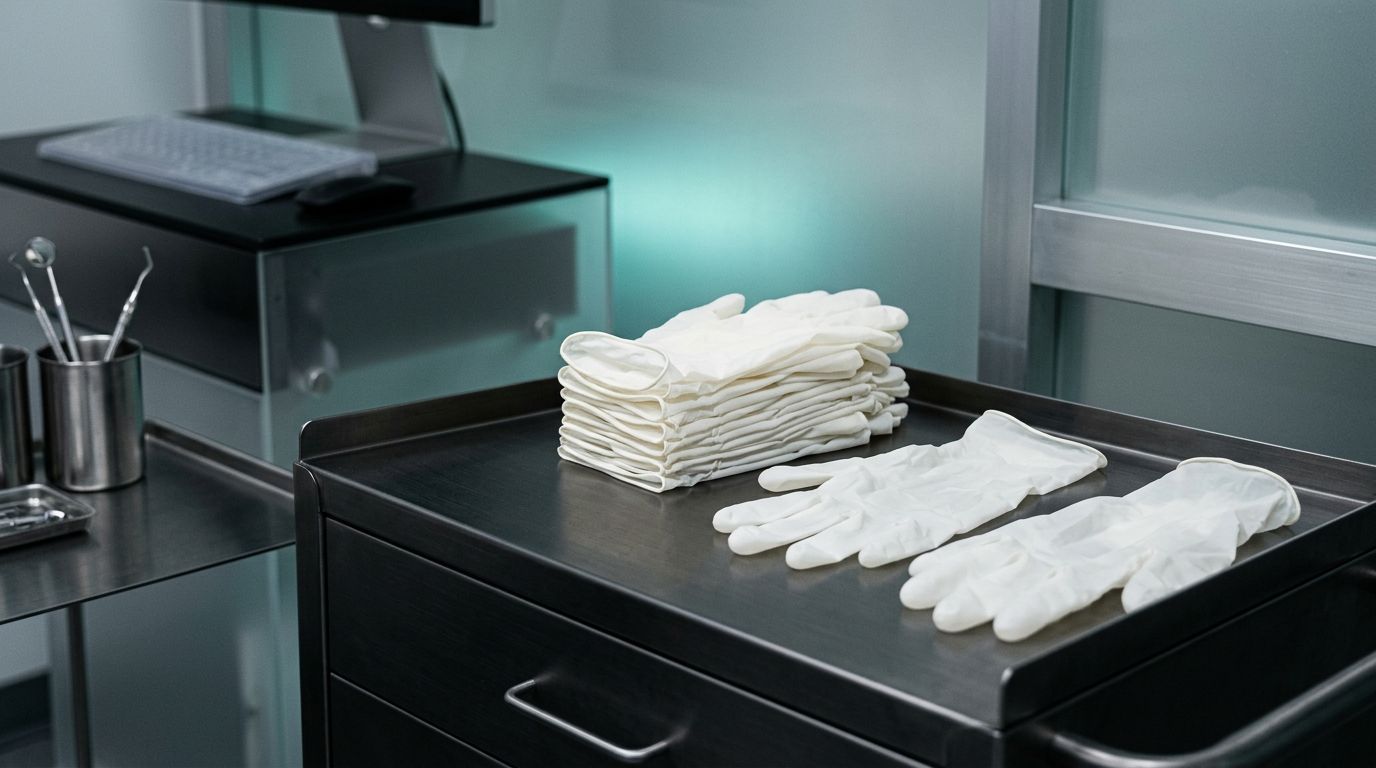
When it comes to working in a laboratory, whether you're a seasoned chemist or a curious intern, the importance of safety equipment cannot be overstated. I still remember my first day in a chemistry lab. Armed with my lab coat and safety goggles, I felt ready to tackle the fascinating world of chemical reactions. But then a fellow lab mate pulled out a box of latex gloves and said, You can't forget these! That was my first introduction to the unsung heroes of lab safety latex gloves.
Why Latex Gloves?
Latex gloves are a staple in laboratories handling chemicals for several reasons. They offer a balance of tactile sensitivity, comfort, and protection. Their elastic nature allows for excellent dexterity essential for that delicate pipetting task or when you're carefully mixing volatile substances. Plus, they're relatively inexpensive, making them accessible for labs of all sizes.However, as I learned through a few sticky experiences (literally!), it's crucial to choose the right type of glove for the job. I vividly recall a mishap where I grabbed an older pair of gloves that had deteriorated. One careless moment during a titration, and I felt the sting of sulfuric acid on my skin. Lesson learned: always inspect your gloves!
The Chemistry of Latex Gloves
Ordering Wholesale Gloves for Your Facility?
Access our direct self-service portal for real-time tiered volume pricing, immediate proforma & GST invoice generation, and pan-India dispatch tracking.
Latex gloves are made from natural rubber, and this material has specific properties that make them ideal for lab work. They protect against a variety of chemicals, including many acids, bases, and some organic solvents. That said, they're not infallible; certain chemicals can degrade latex, leading to leaks. Always consult compatibility charts when choosing gloves for specific lab activities.
Anecdote: The Unexpected Spill
Let me take you back to when I was conducting a series of experiments involving hydrochloric acid. I had diligently donned my latex gloves and was feeling confident. However, in the midst of transferring the acid, I accidentally tipped over the container. A splash of the corrosive liquid flew towards me, narrowly missing my face but making a direct hit on my gloved hands.In that adrenaline-pumping moment, I was so grateful for my latex gloves. They held up brilliantly, protecting me from the immediate danger. However, this incident was a wake-up call. It reminded me that even with gloves, laboratory safety is multi-faceted. Yes, latex gloves are essential, but they're just one layer of protection. You also need goggles, protective clothing, and, in certain situations, even face shields.
Practical Advice for Choosing Latex Gloves
1. Size Matters: A glove that's too tight can reduce dexterity and increase hand fatigue, while one that's too loose can lead to accidents. It's important to get a size that fits snug but not constricting. 2. Check for ASTM Standards: The American Society for Testing and Materials (ASTM) provides guidelines for glove performance. Look for gloves that meet the necessary criteria for your work environment.3. Be Mindful of Allergies: Some individuals are allergic to latex. If you or someone in your lab has a history of latex allergies, consider vinyl or nitrile alternatives.4. Inspect Before Use: Always examine your gloves for any signs of wear and tear. A tiny hole can lead to significant exposure when working with hazardous materials. Remember my incident I could have easily avoided that if I had inspected my gloves carefully.5. Pair with Other Protective Gear: Don't rely solely on gloves for protection. Use goggles, lab coats, and face shields to complete your protective ensemble.
Relating to Real Life: A Lab Scenario
Imagine this scenario: You're in a bustling lab, surrounded by bubbling beakers and the sound of fizzling reactions. You're tasked with preparing a solution of ammonia. You put on your latex gloves, feeling the comforting snugness as you pour. Just as you're about to mix in the acid, a colleague accidentally bumps into your table, sending your utensils clattering.In that split second, your brain kicks into survival mode. Your protective gear specifically those latex gloves ensure that any errant splashes of ammonia or other chemicals won't harm your hands. Once the chaos subsides, it's clear how essential those gloves are in the unpredictable environment of a lab.
Conclusion: Gloves Are Just the Beginning
Latex gloves are more than just an accessory; they are a critical component of laboratory safety, especially when handling hazardous chemicals. My early experiences taught me not just about the protective qualities of latex, but also about the importance of a holistic approach to safety.As you embark on your own lab adventures whether it's mixing, testing, or creating remember that every piece of safety equipment plays a role in keeping you safe. So, invest in quality latex gloves, be mindful about their use, and always be prepared for the unexpected. Here's to safe experiments and countless bubbling breakthroughs!
What standards govern ANEMOI latex examination gloves?
ANEMOI examination gloves are manufactured under ISO 13485:2016 quality management systems and conform to EN 455 and ASTM standards with strict AQL 1.5 pinhole water-tightness testing.
How does Latex gloves for laboratory safety in chemicals impact daily workplace safety?
Proper glove selection ensures optimal barrier integrity, tactile precision, and user dexterity while minimizing cross-contamination risks across medical, laboratory, and industrial environments.
Can facilities order wholesale cartons and request trial sample boxes?
Yes. Hospitals, clinics, and commercial facilities can request 1–2 box sample evaluation kits or access volume carton pricing directly via the ANEMOI B2B client portal.