Latex Gloves for Healthcare Sanitation Practices
- Barrier Performance: In-depth evaluation of the first encounter: choosing the right gloves to ensure high tactile sensitivity and tear resistance.
- Clinical Ergonomics: Optimizing why latex gloves? to reduce user hand fatigue during prolonged operational shifts.
- Procurement & Standards: Regulatory compliance covering real-life scenarios: gloves in action across healthcare and industrial environments.
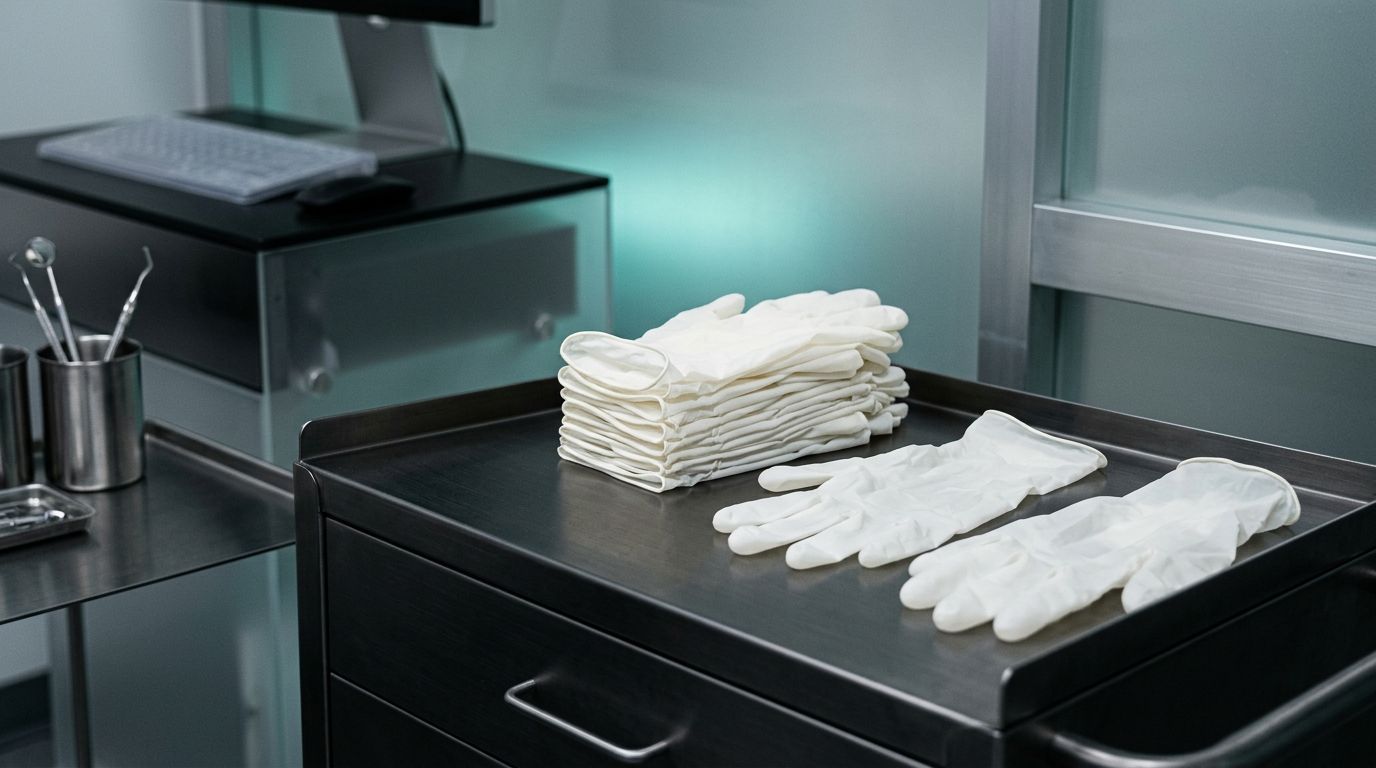
When it comes to maintaining sanitation in healthcare settings, latex gloves play an indispensable role. They not only protect healthcare professionals but also safeguard patients from potential infections. During my years working in a bustling clinic, I often marveled at how something as simple as a pair of gloves could make such a significant impact on patient care and safety. Let me take you through the fascinating world of latex gloves in healthcare sanitation practices, interspersed with personal anecdotes and insights that might resonate with fellow healthcare workers or anyone interested in the topic.
The First Encounter: Choosing the Right Gloves
I still remember my first day on the job as a nursing assistant. Standing in front of a shelf lined with medical supplies, I was immediately drawn to the vibrant boxes of latex gloves. Each box promised protection, hygiene, and, importantly, a degree of professionalism. At that moment, I realized choosing the right gloves was not just about picking any pair; it was about ensuring safety for myself and my patients.The Importance of Proper Selection:Latex gloves come in various sizes, thicknesses, and textures. Choosing the right gloves can make a difference in comfort and dexterity. For instance, while examining a patient, I once struggled with a pair of ill-fitting gloves. They were too big, making my hands feel clumsy and increasing the risk of contamination. My advice: Always try different sizes to find the perfect fit for your hands.
Why Latex Gloves?
Ordering Wholesale Gloves for Your Facility?
Access our direct self-service portal for real-time tiered volume pricing, immediate proforma & GST invoice generation, and pan-India dispatch tracking.
Latex gloves are made from natural rubber latex, making them highly elastic and comfortable to wear. They are a popular choice in healthcare settings for several reasons:1. Barrier Protection: They serve as an effective barrier against pathogens, preventing the transmission of bacteria and viruses.2. Sensitivity: Latex offers exceptional tactile sensitivity, which is crucial when performing delicate tasks like taking blood samples or inserting IVs.3. Cost-Effectiveness: While not the cheapest option, latex gloves offer a balance of quality and affordability, making them a staple in many healthcare facilities.
Real-Life Scenarios: Gloves in Action
Picture this: You're in the middle of a hectic shift when a patient suddenly needs immediate assistance. With everything going on, you reach for a fresh pair of latex gloves. As you slip them on, there's a sense of assurance that you're protected, and so is your patient. During one of my shifts, I recall a particularly challenging scenario involving a patient with an open wound. The moment I donned my latex gloves, I felt equipped to handle the situation without risking contamination. I was able to facilitate treatment effectively, knowing that I had a barrier between myself and the potential hazards.
Personal Anecdote: The Glove Glitch
One day, I was knee-deep in a patient intake process when I noticed the familiar crunch of latex I had put on a glove with a small tear. Thankfully, I caught it before interacting with the patient, but it was a stark reminder of how even a minor oversight can have significant consequences in healthcare. Practical Advice: Always inspect your gloves before use. Look for any tears, punctures, or defects. It pays to be cautious because safety is non-negotiable in healthcare.
Best Practices for Using Latex Gloves
Utilizing latex gloves effectively involves more than just wearing them; it encompasses a series of mindful practices:- Hand Hygiene Before and After Use: Always wash your hands before putting on gloves and after taking them off. This prevents any germs from transferring to the gloves or your skin.- Change Gloves Between Tasks: Different patients, different procedures changing gloves not only promotes hygiene but also helps avoid cross-contamination. - Dispose Properly: Dispose of used gloves in designated biohazard bins to maintain a safe environment.
The Shift to Alternatives
Over the years, we've seen a shift towards alternatives like nitrile gloves, which some people prefer due to latex allergies or sensitivities. While they offer great protection, they may not provide the same sensitivity as latex, particularly for delicate tasks. As someone who has worked with both types, I have my preference rooted in the tactile feedback that latex provides, but it's essential to respect personal choices and needs within healthcare environments.
Conclusion: Embrace the Glove
Incorporating latex gloves into healthcare sanitation practices is not just about compliance; it's about building trust in the patient-caregiver relationship. Every time you slip on those gloves, you're not just preparing for a task; you're acknowledging the immense responsibility you hold. As I reminisce about my experiences, it's evident that these small yet crucial tools have a profound impact. Whether you're a seasoned healthcare professional or an aspiring one, embracing the use of latex gloves is a fundamental step in delivering safe, sanitary patient care.So next time you reach for that box of latex gloves, remember it's more than just a pair of gloves; it's a commitment to safety, sanitation, and professionalism in every interaction.
What standards govern ANEMOI latex examination gloves?
ANEMOI examination gloves are manufactured under ISO 13485:2016 quality management systems and conform to EN 455 and ASTM standards with strict AQL 1.5 pinhole water-tightness testing.
How does Latex gloves for healthcare sanitation practices impact daily workplace safety?
Proper glove selection ensures optimal barrier integrity, tactile precision, and user dexterity while minimizing cross-contamination risks across medical, laboratory, and industrial environments.
Can facilities order wholesale cartons and request trial sample boxes?
Yes. Hospitals, clinics, and commercial facilities can request 1–2 box sample evaluation kits or access volume carton pricing directly via the ANEMOI B2B client portal.