Latex Gloves for Healthcare in Industrial Settings
- Barrier Performance: In-depth evaluation of the unexpected overlap to ensure high tactile sensitivity and tear resistance.
- Clinical Ergonomics: Optimizing understanding the need to reduce user hand fatigue during prolonged operational shifts.
- Procurement & Standards: Regulatory compliance covering practical advice for industrial settings across healthcare and industrial environments.
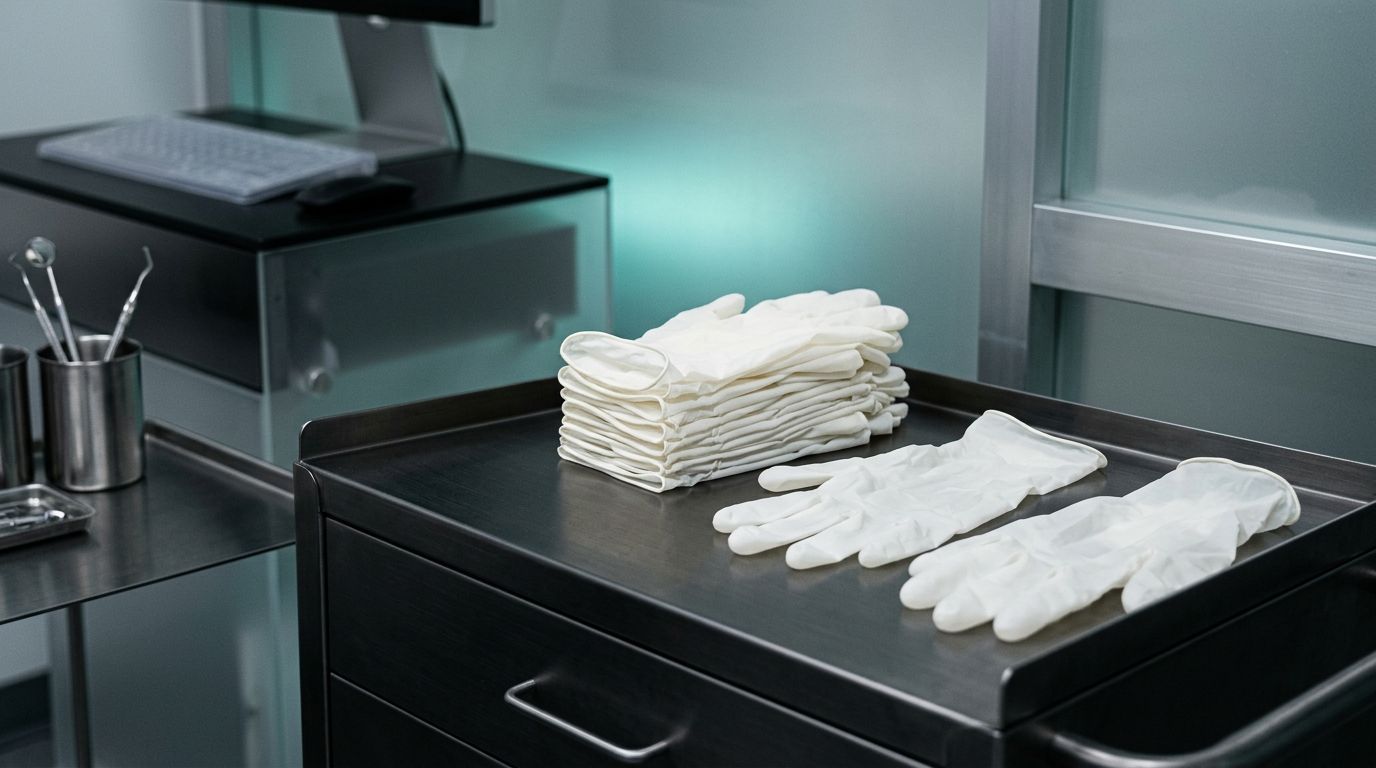
When you think of latex gloves, you might picture a sterile environment, perhaps a hospital or a dental office. But have you ever considered the role of these seemingly simple pieces of protective gear in industrial settings? Today, we're diving into the world of latex gloves for healthcare in industrial environments, sharing personal anecdotes and offering practical advice along the way.
The Unexpected Overlap
As a former lab technician, I've spent countless hours in environments where precision is key. I vividly remember one busy afternoon, working with samples, when I absentmindedly reached for the wrong pair of gloves. Instead of the usual nitrile ones I needed for chemical protection, I grabbed latex gloves. As I slipped them on, I felt a wave of insecurity. Would they hold up? Would they tear? While latex is fantastic for protecting against biological hazards, it often falls short against harsh chemicals. That day taught me a valuable lesson about the importance of choosing the right gloves for the job even in settings typically centered around safety and health.
Understanding the Need
Ordering Wholesale Gloves for Your Facility?
Access our direct self-service portal for real-time tiered volume pricing, immediate proforma & GST invoice generation, and pan-India dispatch tracking.
In industrial settings where health and safety regulations are paramount, the right personal protective equipment (PPE) can make a significant difference. Latex gloves are often favored in healthcare because they:- Provide excellent dexterity, making them a top choice for tasks that require fine motor skills.- Offer good protection against biological hazards, such as bacteria and viruses. However, the conversation changes slightly when you bring industrial settings into the mix. The risks you encounter are often multifaceted exposure to chemicals, physical hazards, and even heavy machinery.
Relatable Scenarios
Imagine you're a healthcare worker on a facility inspection at a manufacturing plant, monitoring the health protocols of the staff. A colleague of mine had this exact experience. She recounted how she saw workers handling materials while wearing standard latex gloves, oblivious to the fact that they were working near substances that caused allergic reactions. During her inspection, she had to halt the operations momentarily to explain the importance of choosing the right glove type for the specific tasks they were performing.This incident highlights a key aspect of using latex gloves: understanding their limitations. While they're fantastic in a hospital, they might not be suitable for every industrial task.
Practical Advice for Industrial Settings
So, how do we strike a balance between healthcare requirements and industrial safety? Based on my experiences and learnings from various industrial settings, here are some practical tips to keep in mind when choosing latex gloves for healthcare in an industrial context:1. Assess the Risks: Before donning gloves, evaluate the environment. What are the primary hazards? Functionality matters latex gloves are great for biological hazards, but consider alternatives like nitrile for chemical exposure.2. Choose Quality Over Cost: It's tempting to opt for the least expensive option, but investing in high-quality gloves can save you headaches even in an industrial space. Look for gloves with high puncture resistance for more rugged tasks.3. Create an Awareness Program: Encourage team discussions around PPE. Sharing experiences can highlight risks that others may overlook. The more your team talks about safety, the more mindful they become.4. Regular Training: As environments change, so do the tasks at hand. Regular training ensures everyone is on the same page regarding the types of gloves to use and under which circumstances.5. Test for Fit and Comfort: Remember that a well-fitted glove is crucial. If the gloves are too tight or too loose, they can impede dexterity and lead to accidents.
Unique Insights: The Future of Gloves in Industry
It's fascinating to see how the role of PPE is evolving, particularly in industrial settings. Recently, I've come across innovative gloves that combine latex with other materials to enhance their protective capabilities while still allowing for great dexterity. For example, some new hybrid options come lined with a thin layer of nitrile on the palm, offering better resistance to chemicals without sacrificing the fit and feel that latex provides.These advancements might just change the game for healthcare workers in industrial contexts. The blend of comfort, protection, and adaptability can enhance safety protocols significantly.
Conclusion: Safety First!
In conclusion, latex gloves have carved a niche for themselves in healthcare, even within the dynamic world of industrial settings. However, the key takeaway here is to remain vigilant and informed. Your choice of gloves should reflect the conditions you're working in don't let familiarity with latex complacency lead you into unsafe practices.By combining personal experiences, unique insights, and practical advice, I hope this article has helped clarify the role of latex gloves for healthcare in industrial settings. Whether you're handling samples in a lab or ensuring safety on the factory floor, remember: the right glove makes all the difference. Stay safe out there!
What standards govern ANEMOI latex examination gloves?
ANEMOI examination gloves are manufactured under ISO 13485:2016 quality management systems and conform to EN 455 and ASTM standards with strict AQL 1.5 pinhole water-tightness testing.
How does Latex gloves for healthcare in industrial settings impact daily workplace safety?
Proper glove selection ensures optimal barrier integrity, tactile precision, and user dexterity while minimizing cross-contamination risks across medical, laboratory, and industrial environments.
Can facilities order wholesale cartons and request trial sample boxes?
Yes. Hospitals, clinics, and commercial facilities can request 1–2 box sample evaluation kits or access volume carton pricing directly via the ANEMOI B2B client portal.