Latex Gloves for Handling Biohazard Materials in Hospitals
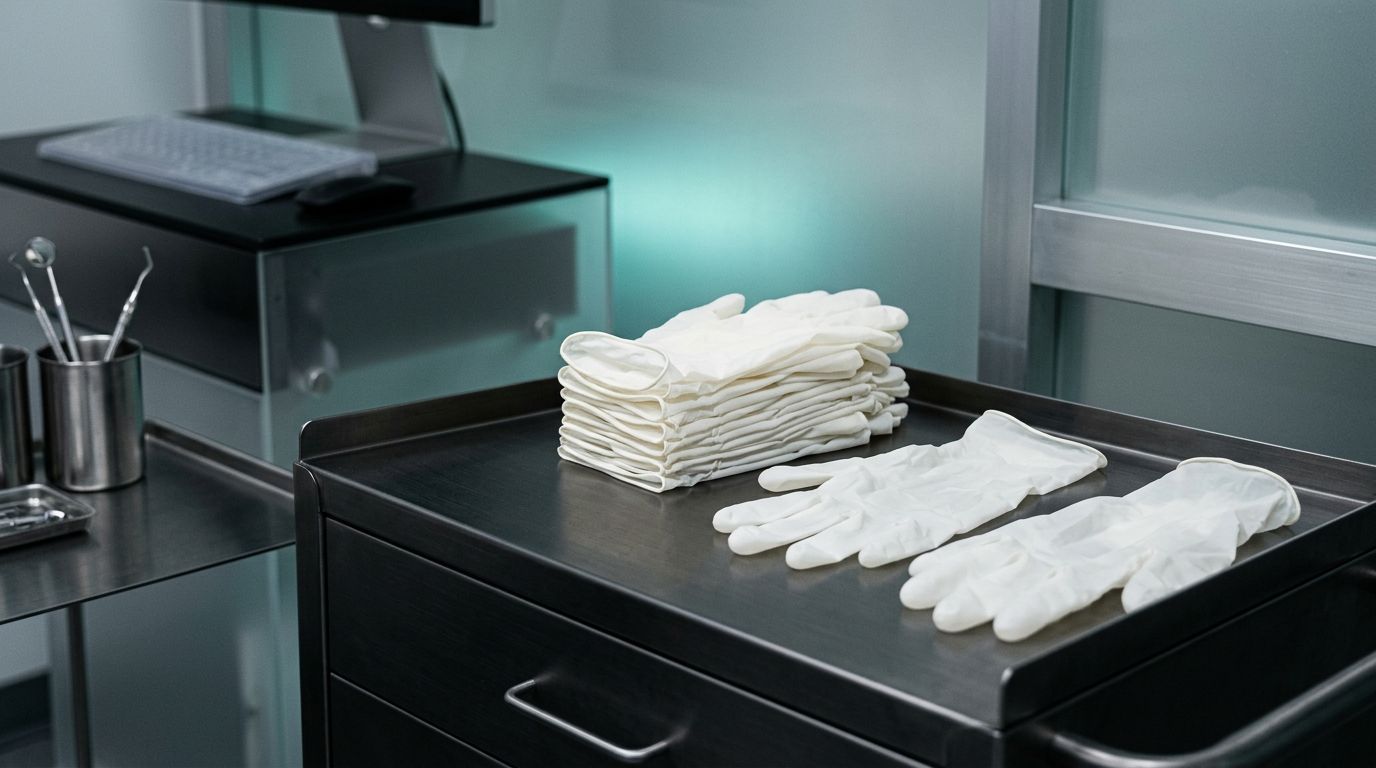
Every time I walk into a hospital, I'm reminded of the incredible responsibilities that medical staff bear on their shoulders. The scent of antiseptic fills the air, the beeping of machines forms a constant soundtrack, and just beyond the nurses' station, a whole realm of unseen battles rages on. One of the most critical tools in this fight against contamination and infection? Latex gloves.
The Unsung Heroes of Hospital Safety
Latex gloves are like the invisible superhero capes worn by doctors, nurses, and hospital staff. They protect healthcare professionals from potentially dangerous biohazard materials. If you've ever watched a medical drama, you know that the donning of gloves is not just a formality; it's a ritual that signals that sanitation and safety are about to take center stage.
Personal Anecdote: First Day on the Job
I remember my first day working at a hospital as a volunteer. I was a bundle of nerves, trying to remember where everything was while absorbing the serious atmosphere. I watched as seasoned nurses moved with confidence from patient to patient, sliding on their latex gloves as if it was second nature. It struck me then how important that little act was not just for their safety, but for the patients' as well.In one instance, I saw a nurse who calmly handled a spill of biohazard waste with just a flick of her wrist as she pulled on a pair of fresh latex gloves. It amazed me to see her transform from a healthcare provider to a guardian against contamination in mere seconds. That day, I learned that those gloves are not just an accessory; they are essential armor.
Why Latex Gloves?
ANEMOI Medical Powder-Free Examination Gloves
Manufactured with high tensile strength (≥18 MPa) and micro-textured grip surface. Fully ISO 9001:2015 & CE Certified for hospitals, labs, and industrial safety.
Protection Against Contamination
Latex gloves provide a barrier between the skin and potentially harmful substances think blood, urine, or other biohazard materials. They are designed to prevent cross-contamination, which is crucial in a hospital environment where infectious diseases can easily be transmitted.When a nurse removes a blood-stained dressing, their hands could be exposed to any number of pathogens. But with latex gloves, this risk is minimized, ensuring that both the healthcare provider and the patient remain safe.
Comfortable Fit and Sensitivity
Latex gloves are often favored for their form-fitting design, offering a high degree of dexterity. Unlike some thicker gloves that can feel cumbersome, latex gloves allow for better tactile sensitivity. This feature is invaluable when performing delicate procedures like inserting IVs or suturing wounds.Imagine trying to navigate a complex task while wearing oversized mittens. It wouldn't work very well, right? The snug fit of latex gloves helps hospital staff carry out their duties more effectively and comfortably.
Allergies and Alternatives
One thing to bear in mind is the increasing prevalence of latex allergies among healthcare workers. This consideration has led to the introduction of alternatives such as nitrile and vinyl gloves. If you're in a situation where you or your colleagues have latex allergies, it's important to know your options.I once worked alongside a nurse who couldn't wear latex gloves due to her sensitivity. At first, she struggled to find a suitable replacement. After a bit of trial and error, she found nitrile gloves to be a perfect fit offering the protection she needed without any adverse reactions. It's a reminder that while latex gloves are often the go-to, there are other options out there that can provide adequate safety.
Practical Advice for Handling Biohazard Materials
Proper Glove Use
If you're gearing up to handle biohazard materials, here are some tips to ensure you're using latex gloves effectively:1. Choose the Right Size: Ill-fitting gloves can lead to tears. Make sure you have gloves that fit snugly without being too tight.2. Inspect Before Use: Always check for any defects before putting on your gloves. A small tear can render them useless.3. Avoid Touching Non-Biohazard Surfaces: Once you're in your gloves, try to keep them sterile. Touching surfaces like doorknobs or your phone can introduce contaminants.4. Proper Removal: When you're done, remove the gloves in a way that prevents the outside from touching your skin. Pinch the glove at the wrist, peel it off, and use the gloved fingers to hold it while you remove the second glove.5. Dispose Properly: Always dispose of used gloves in designated biohazard waste bins. It's a small act that protects everyone in the hospital.
Real-Life Scenario: An Everyday Challenge
During one particularly busy shift, I watched a nurse juggling multiple patients and tasks. At one point, she had to carefully restrain a patient who had become overly agitated and was at risk of harming themselves. The nurse quickly donned her gloves, shifting effortlessly from caring for a wound to ensuring the safety of her patient. It was a testament to how integral latex gloves are in maintaining safety and comfort during complex interactions.
Conclusion
Latex gloves for handling biohazard materials in hospitals are more than just a barrier; they're a symbol of commitment to safety and hygiene. They blend practicality with necessity, ensuring that healthcare providers can focus on what they do best caring for patients.As we continue to navigate the complexities of modern medicine, let's celebrate the small yet mighty latex gloves that stand guard at the gates of hospital safety. Whether you're a seasoned professional or a newcomer to the healthcare field, remembering their importance can make all the difference. So, next time you pull on those gloves, take a moment to appreciate the role they play in protecting not just you, but everyone around you.