Latex Gloves for Food Inspections
- Barrier Performance: In-depth evaluation of the importance of food safety to ensure high tactile sensitivity and tear resistance.
- Clinical Ergonomics: Powder-free anatomical fit designed to prevent skin irritation and cross-contamination.
- Procurement & Standards: Direct wholesale availability with pan-India 24–48h dispatch via our B2B procurement portal.
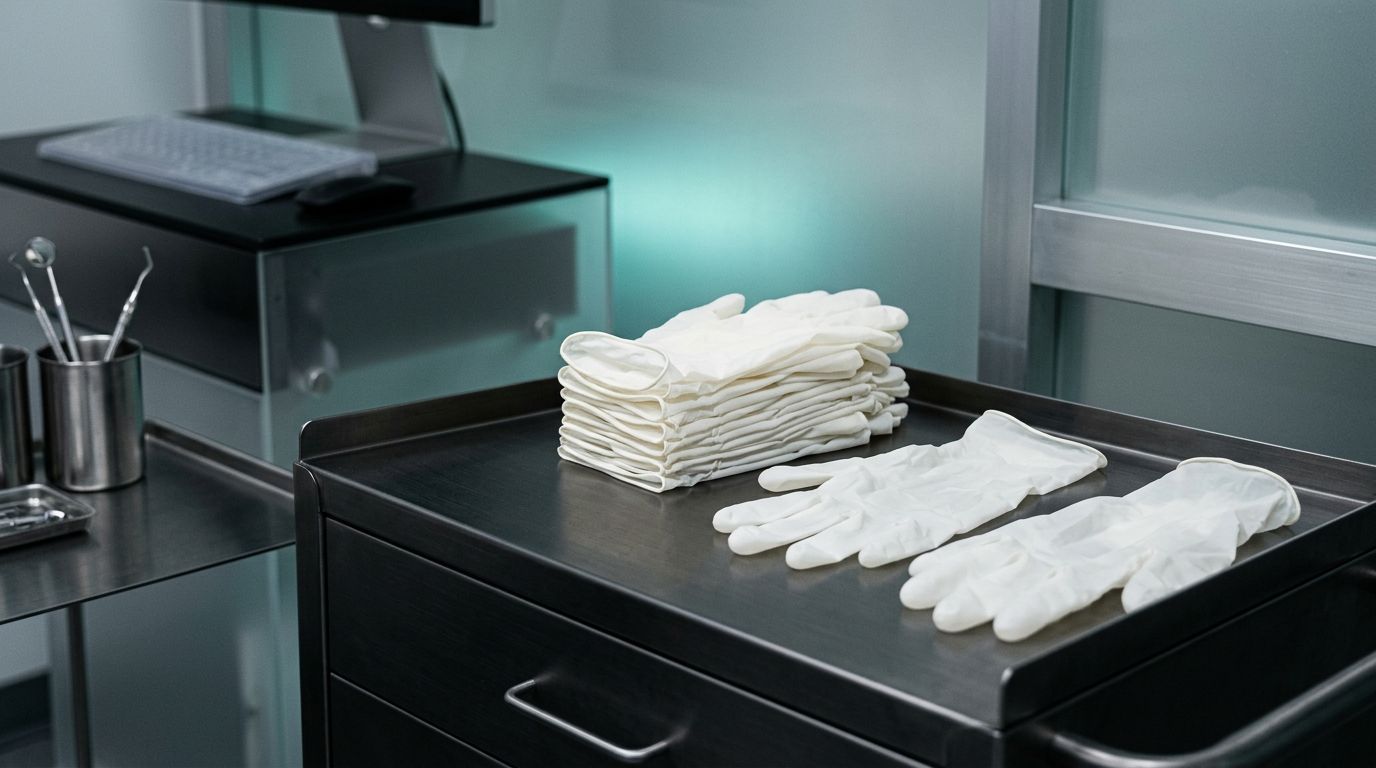
When it comes to food safety, one of the most important tools in a food inspector's arsenal is something so simple yet so crucial: latex gloves. Let's dive into why these gloves are not just a standard piece of equipment but an essential element in ensuring food safety and hygiene.
The Importance of Food Safety
Having spent a few years working in a local health department, I've witnessed first-hand the impact of food safety practices on public health. Each food inspection is an opportunity to safeguard the community from potential foodborne illnesses. I remember my first day on the job, equipped with a clipboard and a sense of purpose. As I donned my latex gloves for the first inspection, it hit me how these unassuming gloves play a vital role in protecting both the inspector and the food being examined.
The Role of Latex Gloves
Latex gloves serve several important purposes during food inspections:1. Barrier Protection: They create a barrier between the inspector's hands and potentially hazardous substances. Whether it's raw chicken juice or an unclean kitchen counter, these gloves help prevent cross-contamination.2. Hygiene Maintenance: After each inspection or contact with different food samples, gloves can be changed quickly, ensuring that any traces of bacteria from one source don't travel to another. This is something I emphasized during training sessions with new inspectors.3. Professionalism: The appearance of wearing gloves signals to restaurant staff that food safety is a priority. It sets the tone for the inspection, fostering a sense of seriousness about the standards that must be upheld.
Personal Anecdotes from the Field
One of my most memorable experiences in the field was during an inspection at a local diner. As I approached the kitchen, I noticed the staff preparing massive amounts of coleslaw. The chefs seemed rushed, and, I'll admit, the sight was chaotic. I remember slipping on my latex gloves and immediately feeling a sense of responsibility wash over me. As I began inspecting the preparation area, I saw several violations: unwashed produce and bare hands touching ready-to-eat foods. I addressed these issues with the staff, and we discussed how proper glove use alongside handwashing can drastically reduce the risk of contamination. It was a teaching moment, and I could see the staff's understanding grow. That day reinforced the idea that gloves are part of a larger narrative about food safety practices.
Choosing the Right Gloves
Not all gloves are created equal, and when it comes to food inspections, quality matters. Here are some points to consider when choosing latex gloves:- Thickness: Thicker gloves might provide better protection but may sacrifice dexterity. I often opted for medium-thick gloves that offered a balance between protection and the ability to handle small tools or paperwork.- Size: An ill-fitting glove can make an inspector's job cumbersome. It's essential to find gloves that fit well; too loose can lead to slippage, and too tight can cause fatigue. I still remember the discomfort of my first pair of gloves and how I quickly learned to always check the sizing.- Sensitivity: Some inspectors require greater tactile sensitivity for writing or examining small items. There are gloves designed specifically for enhanced sensitivity while maintaining strength. Personal preference plays a big role here.
Practical Tips for Using Latex Gloves
1. Change Regularly: The best practice is to change gloves between handling different food items or after touching surfaces. I made it a habit to remind myself if it feels dirty, it probably is!2. Avoid Reusing: One common misconception is that gloves can be reused if they seem clean. This is a big no-no in food inspections! I always kept a stash of gloves handy and made changing them part of my rhythm during inspections.3. Training: As a trainer myself, I found it important to emphasize the correct methods of gloving up and taking them off. It seems simple, but it's a skill, and improper usage can lead to contamination!
Wrapping It Up
Latex gloves are more than just an accessory for food inspectors; they are a fundamental tool in the pursuit of food safety. They protect, uphold hygiene standards, and convey professionalism. By sharing my experiences and practical advice, I hope to encourage readers whether you're in the food industry or just someone who enjoys cooking at home to take food safety seriously and appreciate the importance of proper glove use during food inspections. Remember, the next time you're donning those latex gloves, you're not just protecting yourself but also contributing to a larger mission of ensuring that the food we eat is safe and healthy. So, keep those hands clean, and let's keep the food safe together!
What standards govern ANEMOI latex examination gloves?
ANEMOI examination gloves are manufactured under ISO 13485:2016 quality management systems and conform to EN 455 and ASTM standards with strict AQL 1.5 pinhole water-tightness testing.
How does Latex gloves for food inspections impact daily workplace safety?
Proper glove selection ensures optimal barrier integrity, tactile precision, and user dexterity while minimizing cross-contamination risks across medical, laboratory, and industrial environments.
Can facilities order wholesale cartons and request trial sample boxes?
Yes. Hospitals, clinics, and commercial facilities can request 1–2 box sample evaluation kits or access volume carton pricing directly via the ANEMOI B2B client portal.