Latex Gloves for Food Industry Safety
- Barrier Performance: In-depth evaluation of why use latex gloves? to ensure high tactile sensitivity and tear resistance.
- Clinical Ergonomics: Optimizing personal anecdote: the importance of a good fit to reduce user hand fatigue during prolonged operational shifts.
- Procurement & Standards: Regulatory compliance covering pros and cons of latex gloves across healthcare and industrial environments.
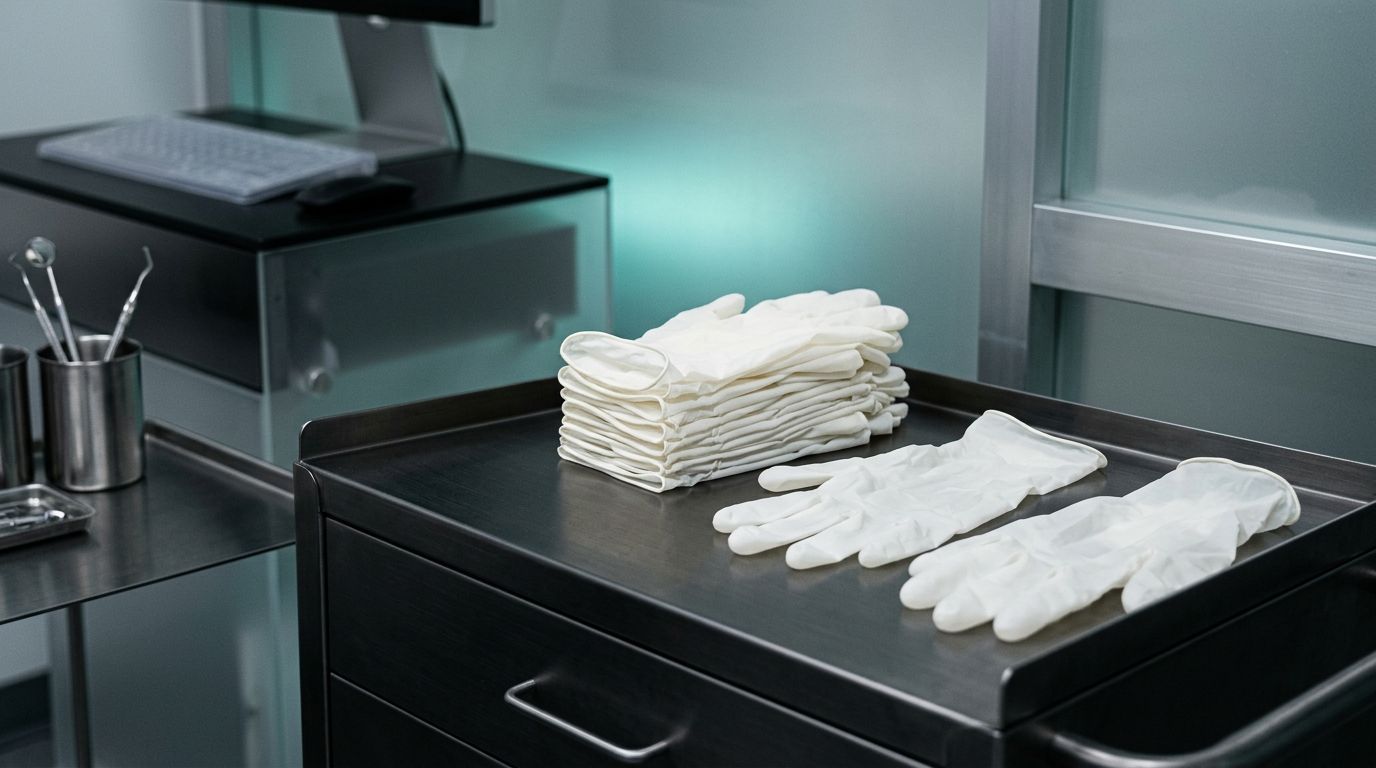
When it comes to food safety, few things are as crucial as the protection we use while handling our meals. Personally, I still remember the first time I walked into a bustling kitchen during my college days. The aroma of spices wafting through the air was tantalizing, but what struck me just as much was the sight of everyone chefs and prep cooks alike wearing bright, protective latex gloves. This scene made it abundantly clear: safety in the food industry is non-negotiable.
Why Use Latex Gloves?
Latex gloves are a staple in the food industry for very good reasons. They are effective barriers against contaminants, keeping both food and our hands safe from harmful bacteria and pathogens. Picture this: you're handling raw chicken. The very thought of even the slightest cross-contamination can send chills down your spine. By wearing latex gloves, you create a protective layer that helps prevent the spread of bacteria like Salmonella or E. Coli.But it's not just about bacteria. The use of latex gloves also helps to keep food free from allergens that might be present on our skin. Imagine a diner with a severe nut allergy; any trace of nuts from an ungloved hand could mean disaster. In this way, gloves provide peace of mind not just for the chefs, but also for patrons relying on us to keep their food safe.
Personal Anecdote: The Importance of a Good Fit
Ordering Wholesale Gloves for Your Facility?
Access our direct self-service portal for real-time tiered volume pricing, immediate proforma & GST invoice generation, and pan-India dispatch tracking.
I vividly remember a time when I was volunteering at a local soup kitchen. We were all hands on deck, serving up warm bowls of soup to those in need. I had grabbed a pair of latex gloves from the supplies, but little did I know, they were two sizes too large. As I tried to prepare a salad, the gloves slipped off my fingers repeatedly, making the whole process not only frustrating but potentially unsafe. I realized then how crucial the right fit of gloves is not only for dexterity but also for food safety. If gloves don't fit properly, they can create gaps where contaminants can enter or slip off to pollute food.
Pros and Cons of Latex Gloves
While my experience with oversized gloves highlighted the need for proper fitting, it also drew my attention to the benefits of latex gloves in the food industry. However, it's important to consider both their pros and cons:
Pros:
- High Elasticity: Latex gloves fit snugly and allow for good tactile sensitivity, which is vital when working with food items.- Barrier Protection: These gloves offer excellent protection against bacteria and viruses.- Comfort: They are generally very comfortable to wear for extended periods.
Cons:
- Allergenic Potential: Some individuals are allergic to latex proteins, which can cause skin reactions.- Limited Durability against Certain Chemicals: Latex gloves are not ideal for all cleaning agents; they can degrade when exposed to strong chemicals.- Not Always Environmentally Friendly: While some brands offer biodegradable options, many latex gloves contribute to landfill waste.
Choosing the Right Gloves
So, with so many options available in terms of gloves, how do you decide what's best for your kitchen? Here are some tips:1. Consider Allergies: If someone on your team has a latex allergy, consider switching to nitrile or vinyl gloves, which are hypoallergenic.2. Evaluate Tasks: For tasks that involve strong chemicals, opt for gloves made from materials that resist these agents. Nitrile gloves are a popular choice because they're strong and do well against chemicals.3. Test for Fit: Always try on gloves before purchasing. They should fit snugly without being too tight. No one wants to struggle with slipping gloves while preparing food.4. Check the Quality: Not all gloves are created equal. Look for gloves that meet FDA standards for food safety.
Practical Advice
As a food service worker or owner, maintaining a safe kitchen environment is paramount. Here are a few practical tips to keep in mind:- Change Gloves Regularly: It's crucial to change gloves after handling raw meat, using the restroom, or switching tasks. I remember one particularly hectic day when we forgot to change gloves while moving from raw chicken to veggies. A quick reminder from a fellow volunteer saved us from potential disaster!- Train Your Staff: Ensure everyone knows the importance of wearing gloves properly. A little training can go a long way in preventing health hazards.- Environmentally Responsible Disposal: Invest in proper disposal bins for gloves. Educate your team on the importance of disposing of them responsibly to reduce environmental impact.
Conclusion
Whether you're a passionate home cook or a seasoned chef in the food industry, the importance of wearing latex gloves cannot be overstated. They provide a necessary barrier against contamination, help maintain health standards, and ultimately protect everyone involved be it the staff or the diners.As we continue to foster a safe and enjoyable dining experience, let's remember those bright, protective gloves that keep us all safe and sound. The next time you pull on a pair, think about the role you play in the bigger picture of food safety. Together, let's make every meal safe and enjoyable!
What standards govern ANEMOI latex examination gloves?
ANEMOI examination gloves are manufactured under ISO 13485:2016 quality management systems and conform to EN 455 and ASTM standards with strict AQL 1.5 pinhole water-tightness testing.
How does Latex gloves for food industry safety impact daily workplace safety?
Proper glove selection ensures optimal barrier integrity, tactile precision, and user dexterity while minimizing cross-contamination risks across medical, laboratory, and industrial environments.
Can facilities order wholesale cartons and request trial sample boxes?
Yes. Hospitals, clinics, and commercial facilities can request 1–2 box sample evaluation kits or access volume carton pricing directly via the ANEMOI B2B client portal.