Latex Gloves for Food Handling Training
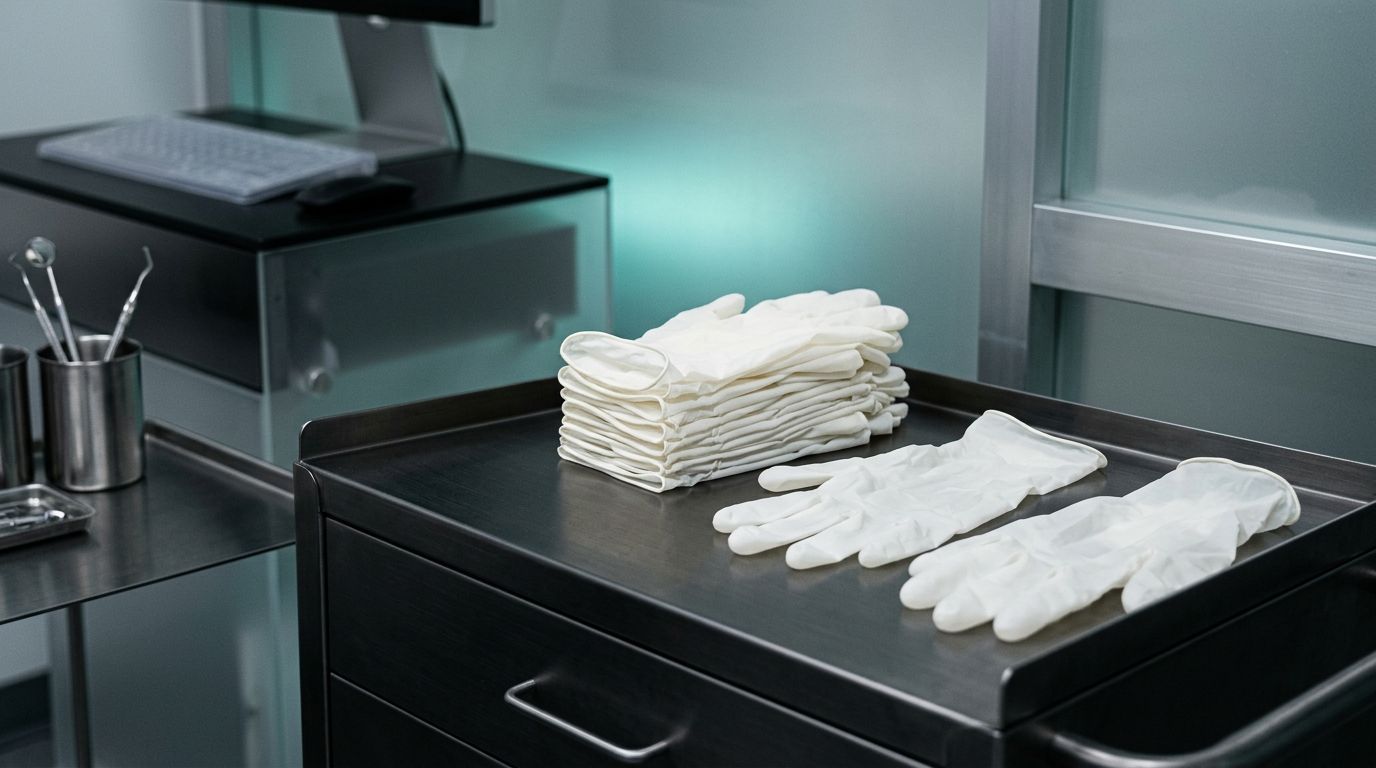
When it comes to food safety, there are a lot of moving parts pun intended! One of the most crucial components is the use of appropriate personal protective equipment (PPE), and at the forefront, we have latex gloves. Today, let's dive into the world of latex gloves for food handling training and discuss how they play a pivotal role in keeping our food safe, while also sharing some personal anecdotes and tips along the way.
A Personal Experience with Food Handling
I'll never forget my first day working in a bustling kitchen. The aroma of fresh ingredients filled the air, and the excitement was palpable. However, it didn't take long for the reality of food handling practices to set in. Just as I was about to chop some fresh veggies, my supervisor handed me a pair of bright blue latex gloves and said, Put these on. We don't want any cross-contamination. I could feel my confidence wane as I clumsily wrapped my hands in those gloves. Fast forward years later, I realized that my initial reluctance was nothing compared to the importance of proper food handling.
Why Use Latex Gloves?
Latex gloves serve several vital functions in the kitchen:1. Preventing Contamination: The primary role of gloves is to create a barrier between your hands and the food. Not only does this protect the food from bacteria that might reside on your skin, but it also keeps your hands clean from any spills or food residues. Take, for example, the daunting task of handling raw chicken. The last thing anyone wants is to transfer bacteria from the chicken to the salad they're preparing!2. Allergen Management: For those with allergies be it latex or certain food items having dedicated gloves can help. Remember the time at an event when someone wasn't careful with food handling and an allergic reaction occurred? A simple pair of latex gloves could have avoided that mishap, demonstrating the value of being proactive.3. Compliance with Health Regulations: Most training programs emphasize that gloves are not just a good practice; they're often a requirement. For food service establishments, using gloves correctly can mean the difference between passing an inspection or facing fines.
The Right Way to Use Latex Gloves in Food Handling
I remember a kitchen supervisor once pointing out, Gloves are not a substitute for handwashing. While it might seem like a convenience, it's essential to understand that washing your hands before putting on gloves is critical. Here are some practical steps you can take:- Wash Hands Thoroughly: Before slipping on those latex gloves, ensure your hands are clean. Use soap and warm water for at least 20 seconds - just like you learned in kindergarten!- Inspect Your Gloves: Check for holes, tears, or any unusual signs before using them. I once made the mistake of not checking, and let's just say, raw meat spent more time on my hands than it should have!- Change Gloves Regularly: It's vital to change your gloves regularly, especially after handling different food types. If you switch from raw meat to salad, be sure to toss those gloves and start fresh. This avoids cross-contamination, which can be downright dangerous.
Common Scenarios Where Gloves Make a Difference
Let's paint a picture imagine you're at a family barbecue, and it's your turn to grill. You're excited, but then you remember the rules. You put on your gloves to handle the raw patties, but don't forget! Once you're done with the meat, you'll need to switch gloves before you assemble the burgers with toppings. No one wants to unwittingly mix raw meat bacteria with fresh garden toppings!Another scenario: you're prepping for a big event, and multiple people are involved. Having everyone in latex gloves means there's a lesser chance of someone contaminating the food unintentionally. It's not just about you; it's about the entire team!
Final Thoughts
Latex gloves for food handling training might initially feel like a hassle like the annoying seatbelt reminder in your car. But over time, I learned that they are an essential part of a safe food-preparation process. Just like any good habit, with practice and mindfulness, the use of gloves became second nature.So, next time you step foot in the kitchen whether it's for a casual dinner at home, a community event, or a professional environment embrace those latex gloves! They not only protect you and the food you handle but also reflect a commitment to health and safety. Remember, it's all about creating a safe environment for everyone who enjoys the fruits of your labor. Happy cooking!