Latex Gloves for Endoscopic Surgical Procedures
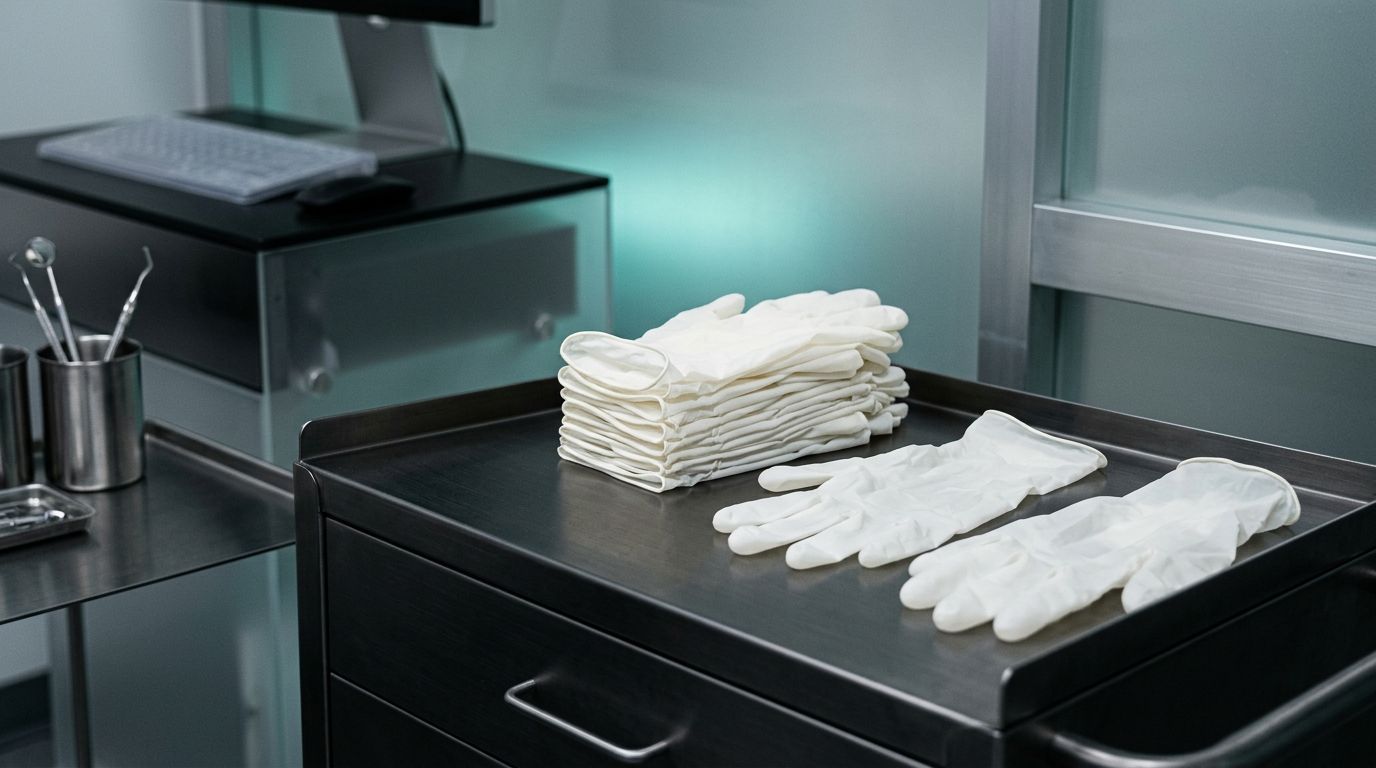
When it comes to endoscopic surgical procedures, the importance of latex gloves cannot be overstated. As someone who has spent a decade working in the medical field, I've seen firsthand how crucial this seemingly simple piece of equipment is. Today, we're diving into the world of latex gloves, sharing personal anecdotes, insights, and plenty of practical advice to ensure you understand their significance in the operating room.
The Unseen Heroes of Surgery
Latex gloves are often the unsung heroes of the surgical realm. Picture this: a surgeon, with their steady hands and unwavering focus, meticulously performing a procedure. What you might overlook is the layer of protection between their skin and the patient the latex gloves. These gloves provide not only a barrier against infections but also a layer of confidence for the medical team.
A Personal Anecdote
I remember my first day in the operating room as a surgical assistant. I was nervous, with butterflies dancing in my stomach. The surgeon prepped for an endoscopy, and as I handed him the tools, he smiled and reminded me how essential proper glove use is. These gloves, he said, are my first line of defense. That moment resonated with me. It wasn't just about the sterile field or the tools; it was about protecting our patients and ourselves.
Why Latex Gloves?
ANEMOI Medical Powder-Free Examination Gloves
Manufactured with high tensile strength (≥18 MPa) and micro-textured grip surface. Fully ISO 9001:2015 & CE Certified for hospitals, labs, and industrial safety.
Comfort and Dexterity
One of the key reasons latex gloves are favored for endoscopic procedures is their unparalleled comfort and dexterity. The elasticity of latex allows for a snug fit, enabling surgeons to maneuver instruments with precision. During my early days, I often found that a poorly fitting glove could lead to accidents or discomfort, distracting me from the task at hand. Opting for high-quality latex gloves made a noticeable difference.
Barrier Protection
Latex gloves provide an effective barrier against pathogens, which is critical in any surgical setting. During a particularly challenging endoscope procedure, I witnessed the importance of this protection firsthand. A small tear in a glove could have led to contamination. Fortunately, our team was rigorous about glove checks, ensuring that every pair was intact before we began.
Allergies and Alternatives
It's worth noting that while latex gloves are prevalent, some medical personnel and patients have latex allergies. In those instances, alternative materials like nitrile or vinyl are utilized. However, for those of us who can use latex, the gloves offer a blend of sensitivity and strength that is hard to beat.
Practical Advice for Selecting Latex Gloves
Here are some practical tips based on experiences and insights gained over the years.
1. Choose the Right Size
Finding the perfect fit is crucial. An ill-fitted glove can lead to discomfort and reduced control. Make sure to measure your hands and refer to sizing charts provided by manufacturers. A snug glove should feel like a second skin.
2. Opt for Medical-Grade Gloves
When it comes to surgical procedures, always choose medical-grade latex gloves. These gloves undergo stringent testing and standards to ensure they can hold up during surgeries. You wouldn't want a lower-grade glove during a critical procedure trust me, the stakes are too high.
3. Keep an Eye on Expiration Dates
Although it may seem trivial, expired gloves can lose their integrity. Check the expiration dates on packages before use. One time in the operating room, we discovered a box of overdue gloves, and it was a stark reminder of the importance of diligence in even small areas.
4. Practice Gloving Techniques
Proper gloving techniques can minimize contamination. I recall a mentor drilling the routine into me: wash hands thoroughly, use the surgical gloving method to minimize contact with the outside of the glove, and always change gloves anytime you switch tasks.
Endoscopic Procedures: The Specifics
Endoscopic procedures, whether it's a colonoscopy or an arthroscopy, demand a sterile environment. The role of latex gloves here is vital. They prevent microbial contamination and create a safer environment for both the patient and surgical team.
A Case Study
During one particular endoscopic procedure, we encountered a complication that required quick action. The surgeon's swift movements, all while wearing those trusty latex gloves, showcased how essential they can be. It was clear: those gloves were not just a formality, but a necessity in ensuring both the patient's and our safety.
Final Thoughts
Latex gloves for endoscopic surgical procedures may seem basic, but their impact reverberates through every phase of the operation. They are not just protective gear; they are a vital component of surgical success, influencing performance and outcomes. Through my years in surgery, I've learned to appreciate the smallest details, from the instruments used to the gloves worn. The next time you find yourself in a surgical setting, take a moment to acknowledge the latex gloves the silent guardians behind every successful procedure. Happy gloving!