Latex Gloves for Dental Procedures in Hospitals
- Barrier Performance: In-depth evaluation of the essential barrier: why latex gloves? to ensure high tactile sensitivity and tear resistance.
- Clinical Ergonomics: Optimizing common scenarios where latex gloves shine to reduce user hand fatigue during prolonged operational shifts.
- Procurement & Standards: Regulatory compliance covering unique insights on choosing the right gloves across healthcare and industrial environments.
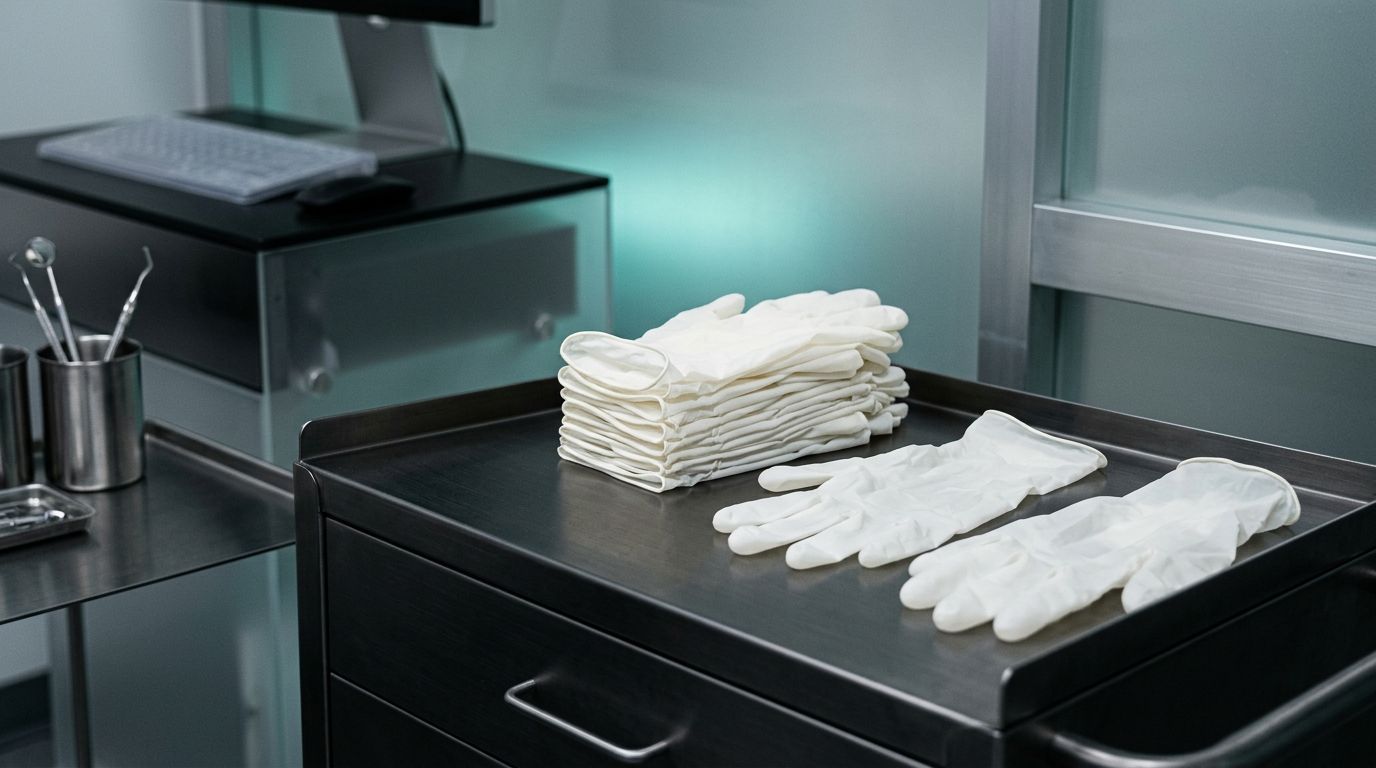
When it comes to dental procedures in hospitals, the importance of safety and hygiene cannot be overstated. One ubiquitous item in a dentist's arsenal is the humble latex glove. As someone who has spent countless hours in dental clinics, I can tell you that these gloves are not just an accessory; they play a pivotal role in protecting both patients and professionals.
The Essential Barrier: Why Latex Gloves?
Latex gloves are made from natural rubber latex, which offers excellent flexibility and tactile sensitivity. This means they fit snugly, allowing dentists and dental hygienists to maintain precision during intricate procedures. Imagine a scenario where a dentist is performing a delicate root canal. The last thing they want is to fumble with ill-fitting gloves! Personal Anecdote: I remember visiting a local dental hospital for a routine cleaning. As I sat in the chair, I noticed the hygienist slipping on a fresh pair of latex gloves, the satisfying sound of the rubber stretching preparing me for the procedure. It struck me how such a simple action was a cornerstone of my safety. These gloves act as a barrier, reducing the risk of cross-contamination and ensuring a clean environment in a space that deals with bodily fluids.
Common Scenarios Where Latex Gloves Shine
Ordering Wholesale Gloves for Your Facility?
Access our direct self-service portal for real-time tiered volume pricing, immediate proforma & GST invoice generation, and pan-India dispatch tracking.
1. Routine Check-ups: For something as simple as a dental exam, latex gloves are essential. They prevent the transfer of bacteria between patients, ensuring that even minor check-ups are carried out with the utmost care.2. Extractions: During tooth extractions, there is an increased risk of exposure to blood or other bodily fluids. The robustness of latex gloves provides peace of mind - for both the dentist and the patient. I recall a friend who had an impacted wisdom tooth removed, and the dentist's meticulous use of gloves made her feel much safer.3. Emergency Procedures: In the fast-paced environment of a hospital, where emergencies can occur, the quick donning of latex gloves allows dental professionals to respond rapidly. I once witnessed a dental assistant rush in during a procedure when a patient experienced sudden complications. The assistant slipped on the gloves in one fluid motion, demonstrating the ease and speed that latex gloves afford in urgent situations.
Unique Insights on Choosing the Right Gloves
While latex gloves are fantastic, it's essential to choose the right type. Here are some practical tips to consider:- Check for Allergies: Some individuals are allergic to latex. Hospitals often provide alternatives like nitrile gloves, but it's vital to have an open conversation about any allergies before procedures.- Size Matters: The proper fit is crucial. Gloves that are too tight can tear, while those that are too loose can interfere with dexterity. Most dental practitioners keep a range of sizes, so don't hesitate to ask for what feels comfortable.- Quality Assurance: Not all gloves are created equal. Look for gloves that have undergone rigorous testing and comply with ASTM standards. A conversation I had with a dental supply rep opened my eyes; quality gloves not only feel better but also provide superior protection.
Practical Advice for Patients
As a patient, you might not think much about latex gloves until you're in the chair, but being informed can make your experience even better. Here's how:- Communicate: If you're concerned about the type of gloves your dentist is using, just ask. A good dentist will appreciate your interest in safety.- Observe Hygiene Practices: Before a procedure, take a look around. Are the dentists and assistants using fresh, barrier-protective gloves? This is a sign of a practice that prioritizes hygiene.Relatable Scenario: Picture this: You've just sat down for your dental appointment, and you see the hygienist scrub their hands and reach for a brand-new pair of latex gloves. It's a simple but powerful moment that reassures you; they are committed to maintaining a sterile and safe environment for everyone involved.
The Takeaway
Latex gloves are a crucial part of daily life in dental hospitals, serving as a barrier between patient and provider. They protect everyone involved in the dental process while also fostering an environment of cleanliness and professionalism. Whether you're sitting for a routine cleaning or undergoing a more complex procedure, knowing how essential these gloves are can help ease your mind. So the next time you're in the dentist's chair, take a moment to appreciate those little gloves! They truly embody a commitment to health and safety that keeps our smiles bright and our well-being intact.
What standards govern ANEMOI latex examination gloves?
ANEMOI examination gloves are manufactured under ISO 13485:2016 quality management systems and conform to EN 455 and ASTM standards with strict AQL 1.5 pinhole water-tightness testing.
How does Latex gloves for dental procedures in hospitals impact daily workplace safety?
Proper glove selection ensures optimal barrier integrity, tactile precision, and user dexterity while minimizing cross-contamination risks across medical, laboratory, and industrial environments.
Can facilities order wholesale cartons and request trial sample boxes?
Yes. Hospitals, clinics, and commercial facilities can request 1–2 box sample evaluation kits or access volume carton pricing directly via the ANEMOI B2B client portal.