Latex Gloves for Deli Food Handling
- Barrier Performance: In-depth evaluation of why latex gloves? to ensure high tactile sensitivity and tear resistance.
- Clinical Ergonomics: Optimizing the importance of proper glove use to reduce user hand fatigue during prolonged operational shifts.
- Procurement & Standards: Regulatory compliance covering when to avoid latex gloves across healthcare and industrial environments.
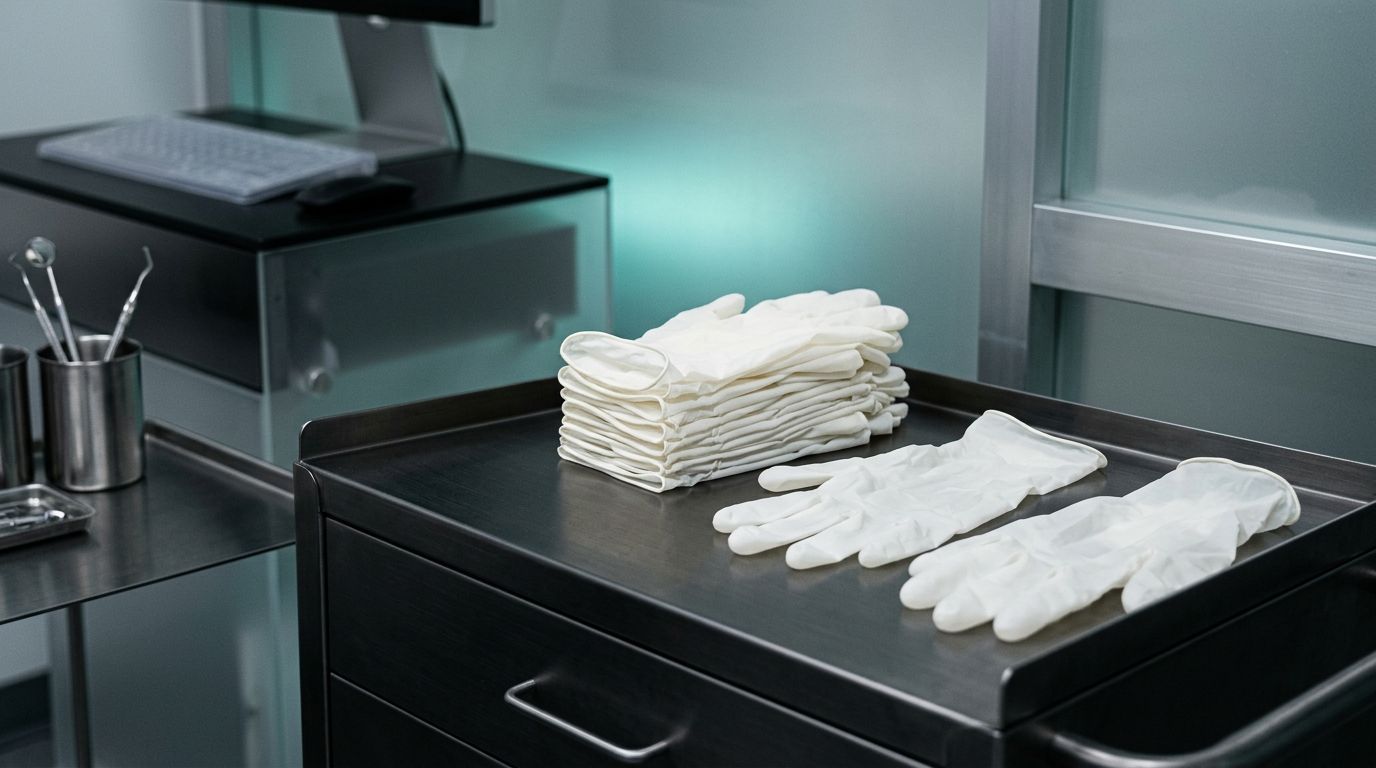
Working in a deli can be a rewarding experience. The aroma of freshly sliced meats, the vibrant colors of various cheeses and condiments, and the satisfied smiles of customers truly make the hustle and bustle worthwhile. However, whether you're a seasoned deli worker or just starting out, one item that's always part of the equation is the trusty latex glove. Let's dive into why latex gloves are essential for deli food handling, and I'll share some personal anecdotes and practical advice along the way.
Why Latex Gloves?
Latex gloves have been the go-to in the food industry for several reasons. First off, they provide a barrier between your hands and the food, which is crucial in maintaining food safety and hygiene. You don't want to be handling salami or cheese with dirty hands, right?
Personal Anecdote
I remember my first day in a deli. I was so excited to be surrounded by delicious meats and cheeses, but I quickly learned that the previous shift hadn't cleaned everything up properly. I put on my latex gloves and started prepping sandwiches. It was such a relief to know that I was protecting not only myself but also the customers from any potential contaminants.
Infection Control and Hygiene
Besides the obvious hygiene benefits, latex gloves help in protecting your hands from cuts, scrapes, and foodborne pathogens that can be lurking on various surfaces or the food itself. The deli environment can be quite busy and messy, so wearing gloves is crucial in preventing cross-contamination.
The Importance of Proper Glove Use
Ordering Wholesale Gloves for Your Facility?
Access our direct self-service portal for real-time tiered volume pricing, immediate proforma & GST invoice generation, and pan-India dispatch tracking.
Not all gloves are created equal, and there's a right way to use them. Let's talk about some practical advice when it comes to using latex gloves for deli food handling.
Change Them Often
I can't stress enough how important it is to change your gloves regularly. If you're slicing different types of meats or switching from raw to cooked foods, change your gloves in between tasks. I remember one time, I was in a rush during lunch hour and forgot to change my gloves after handling raw turkey. Let's just say, I had some very upset customers when I had to explain, Oops, I'm sorry, but we might need to remake your sandwich!
The Right Fit Matters
Make sure your gloves fit properly. Too tight, and they might tear easily; too loose, and they could slip off during food prep. I've been there, fumbling with slippery gloves while trying to assemble a complex sandwich order. A snug fit that still allows you to move your fingers is essential for comfort and efficiency.
Take Care of Your Skin
Working with latex gloves can sometimes be tough on your skin. I've often experienced dryness after a long day of glove-wearing. A good tip is to apply a hypoallergenic hand cream before putting on your gloves. This simple step can make all the difference in keeping your hands healthy.
When to Avoid Latex Gloves
While latex gloves are fantastic for most deli tasks, there are cases when you might want to consider alternatives. Some people have latex allergies, so keeping a supply of nitrile or vinyl gloves on hand would be wise. I once had a colleague who had an allergic reaction to latex; we quickly switched to nitrile gloves, and the issue was solved. Always be sensitive to your team's needs!
Sustainable Choices
The food industry is becoming more aware of the environmental impact of disposable gloves. As someone who cares about the planet, I often think about how many gloves I go through in a week. There are now biodegradable options available that can help reduce waste. While they might be slightly pricier, I find that investing in eco-friendly gloves makes me feel better about my daily impact.
Engage Your Team
If you work with a team, it can be helpful to have a conversation about glove use. Sometimes, I would find myself in great discussions about best practices with my coworkers. Sharing your experiences can lead to insights you never considered plus, it builds camaraderie and a more hygienic working environment.
Conclusion
Latex gloves for deli food handling are not just a requirement; they're a vital tool in ensuring safety, cleanliness, and efficiency in the bustling world of food preparation. By understanding their importance and following proper glove protocols, you can create a more enjoyable experience for both yourself and your customers. With the right techniques, stories, and a touch of humor along the way, handling food in a deli can be both safe and fun. So the next time you slip on a pair of latex gloves, remember the vital role they play in the kitchen! Whether it's whipping up an elaborate sandwich or serving slices of delicious cheeses, your gloves are there to help you create something tasty and safe. Happy slicing!
What standards govern ANEMOI latex examination gloves?
ANEMOI examination gloves are manufactured under ISO 13485:2016 quality management systems and conform to EN 455 and ASTM standards with strict AQL 1.5 pinhole water-tightness testing.
How does Latex gloves for deli food handling impact daily workplace safety?
Proper glove selection ensures optimal barrier integrity, tactile precision, and user dexterity while minimizing cross-contamination risks across medical, laboratory, and industrial environments.
Can facilities order wholesale cartons and request trial sample boxes?
Yes. Hospitals, clinics, and commercial facilities can request 1–2 box sample evaluation kits or access volume carton pricing directly via the ANEMOI B2B client portal.