Latex Gloves for Cleaning with Chemical Resistance
- Barrier Performance: In-depth evaluation of why use latex gloves? to ensure high tactile sensitivity and tear resistance.
- Clinical Ergonomics: Optimizing understanding chemical resistance to reduce user hand fatigue during prolonged operational shifts.
- Procurement & Standards: Regulatory compliance covering choosing the right latex gloves across healthcare and industrial environments.
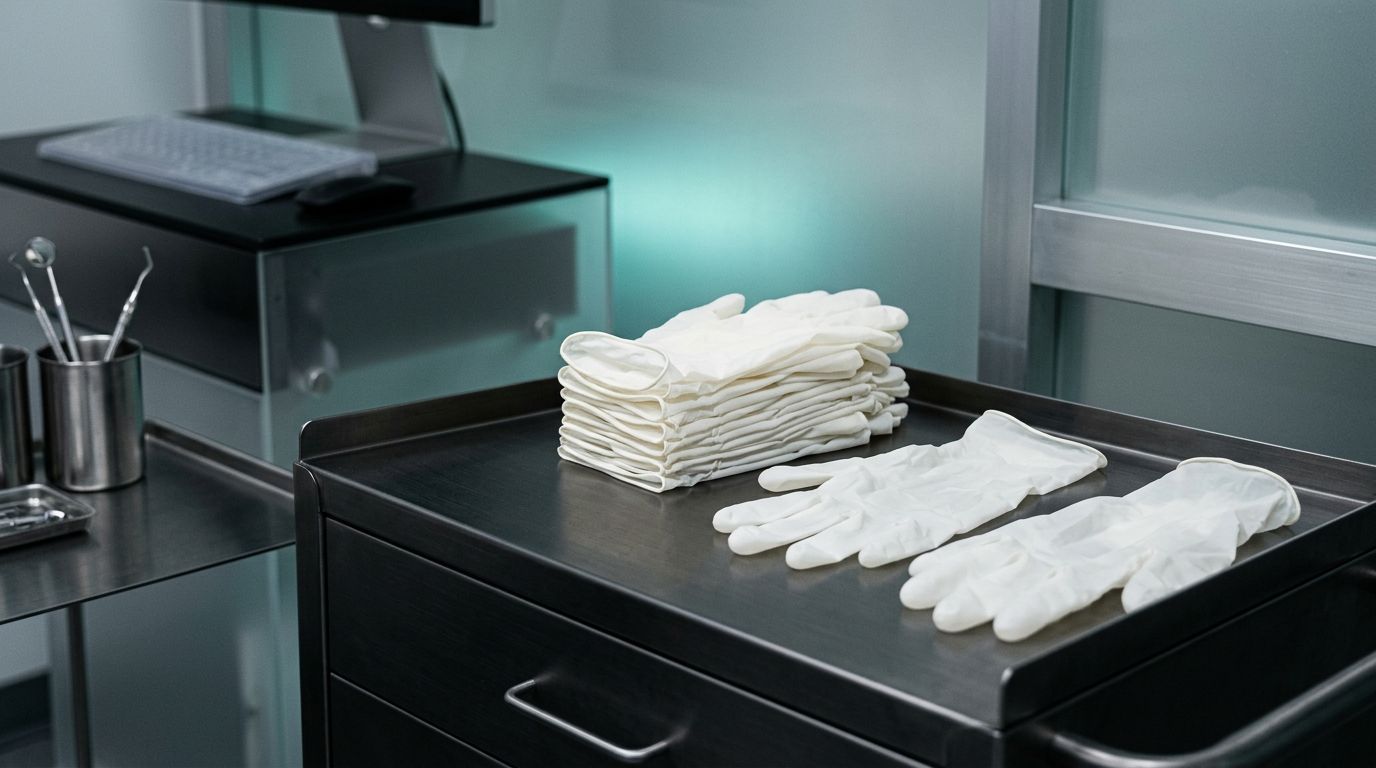
When it comes to cleaning, especially with chemicals, wearing the right gloves can make all the difference. I remember a time when I decided to tackle my garage, which had turned into a mini-disaster zone, filled with old paint cans, greasy tools, and who knows what else. Armed with my trusty latex gloves, I thought I was ready for whatever awaited me it turns out, I had a lot to learn about choosing the right gloves for the job. Let's dive into the world of latex gloves for cleaning with chemical resistance.
Why Use Latex Gloves?
Latex gloves have been a staple in cleaning professions for years, and for good reason. They're comfortable, stretchy, and provide a good sense of touch compared to other materials like rubber or vinyl. I remember the feeling of slipping my hands into those sleek gloves; it gave me the confidence to dive into messy jobs without worrying about what I might be touching.However, not all latex gloves are created equal. If you're dealing with harsh chemicals, you'll want to ensure that your gloves are specifically designed for chemical resistance.
Understanding Chemical Resistance
Ordering Wholesale Gloves for Your Facility?
Access our direct self-service portal for real-time tiered volume pricing, immediate proforma & GST invoice generation, and pan-India dispatch tracking.
So, why does chemical resistance matter? Let me paint a picture for you: imagine you're about to clean a stubborn oil stain from your driveway using a potent solvent. You grab your regular latex gloves, thinking they'll do the trick. But as the chemical absorbs into the glove material, you soon realize they aren't as protective as you thought. This can lead to skin irritation or even chemical burns yikes!Chemical resistance in gloves is determined by several factors including the thickness of the glove, the type of latex used, and the specific chemicals the glove can effectively repel. When shopping for gloves, look for indications that the gloves have been tested against the specific chemicals you plan to handle.
Choosing the Right Latex Gloves
Here's where it gets a bit tricky. You might be wondering, how do you know which latex gloves are chemical-resistant? Here are a few tips from my own experiences:
Look for ANSI Ratings
When I first started looking for gloves, I stumbled upon the American National Standards Institute (ANSI) ratings. These ratings can tell you how resistant a glove is to various chemicals. For instance, if you're dealing with solvents or heavy-duty cleaners, finding gloves with a high resistance rating will keep your hands safe and sound.
Check for Thickness
Not all latex gloves are created with the same thickness. Thicker gloves tend to offer better protection against chemicals, even if they are slightly less dexterous. During my garage clean-up, I opted for thicker gloves when handling paint thinners, and it was a game changer. Yes, they were a bit bulkier, but I felt safe knowing that my skin was protected.
Size Matters
Too tight or too loose gloves can thwart your cleaning efforts. Remember that day in the garage? My gloves were a bit too loose, making it hard to grip tools properly. I ended up fumbling with a paintbrush and nearly dropped it into a bucket of thinner! Always check the sizing chart and pick a size that snugly fits your hands without being overly restrictive.
Practical Advice for Using Latex Gloves
Once you've found the perfect latex gloves for cleaning with chemical resistance, here are some personal tips to get the most out of them:
Change Often
Don't make the mistake I did of using the same pair of gloves for all tasks. Depending on the harshness of the chemicals you're working with, sometimes you need to swap out your gloves halfway through a project. I learned this the hard way when I noticed a little irritation on my wrist after a long cleaning session. Switching gloves periodically can also help maintain grip and dexterity.
Make Sure They're Properly Sealed
During one particularly messy cleaning spree, I realized that one of my gloves had a small tear near the wrist. Let me tell you, that moment was a quick lesson in glove integrity. Always inspect your gloves before use make sure they're intact and fully sealed, especially at the cuffs, to prevent any nasty surprises.
Choose the Right Time
Speaking of cleaning, timing can also play a big role here. Chemical cleaners often work best in cooler conditions. I remember trying to clean my oven on a hot day, and the heat made the gloves stick to my hands! When it's cooler, you not only keep your gloves comfortable but also help maintain the effectiveness of your cleaning products.
Conclusion
Cleaning with chemicals can be daunting, but with the right gear specifically, latex gloves for cleaning with chemical resistance you can protect yourself while getting the job done. With a bit of knowledge, you can choose the right gloves, keep your hands safe, and tackle those messy tasks with confidence. Trust me, once you invest in good gloves, you'll feel empowered to take on any cleaning challenge that comes your way!So, next time you're planning a big clean-up or dealing with some tough stains, remember the importance of proper protection. Your hands will thank you!
What standards govern ANEMOI latex examination gloves?
ANEMOI examination gloves are manufactured under ISO 13485:2016 quality management systems and conform to EN 455 and ASTM standards with strict AQL 1.5 pinhole water-tightness testing.
How does Latex gloves for cleaning with chemical resistance impact daily workplace safety?
Proper glove selection ensures optimal barrier integrity, tactile precision, and user dexterity while minimizing cross-contamination risks across medical, laboratory, and industrial environments.
Can facilities order wholesale cartons and request trial sample boxes?
Yes. Hospitals, clinics, and commercial facilities can request 1–2 box sample evaluation kits or access volume carton pricing directly via the ANEMOI B2B client portal.