Latex Gloves for Chemical Protection in Hospitals
- Barrier Performance: In-depth evaluation of the unseen heroes of healthcare to ensure high tactile sensitivity and tear resistance.
- Clinical Ergonomics: Optimizing why choose latex? the chemical protection advantage to reduce user hand fatigue during prolonged operational shifts.
- Procurement & Standards: Regulatory compliance covering real-life scenarios: why latex matters across healthcare and industrial environments.
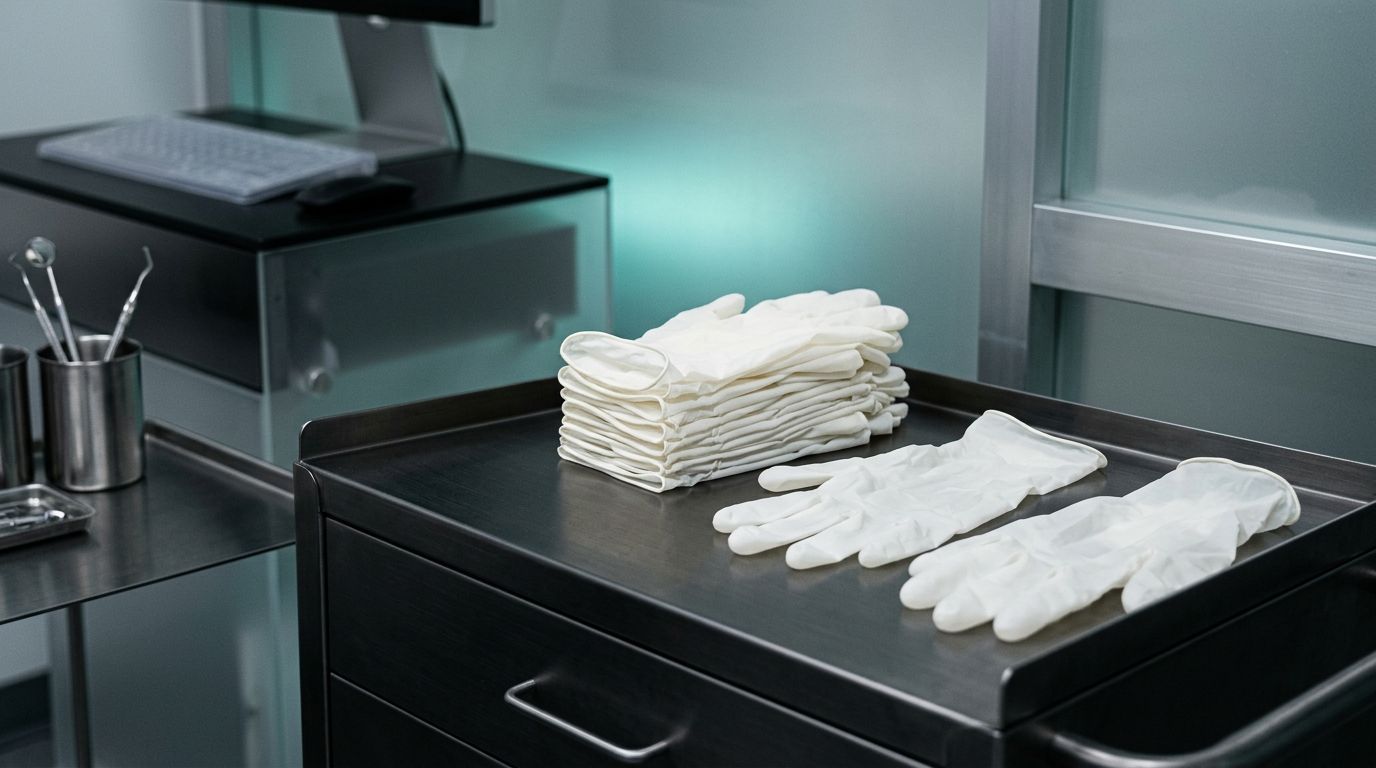
When you think about a hospital, the image that often comes to mind is one of sterile environments, busy healthcare professionals, and the ever-present scent of disinfectant. But beneath the surface, there's a lot more that goes into keeping that environment safe and functional, especially when it comes to chemical protection. One crucial piece of the puzzle that often gets overlooked is the seemingly humble latex glove. Today, we'll dive deep into why latex gloves are essential for chemical protection in hospitals and share some personal insights along the way.
The Unseen Heroes of Healthcare
A few years back, I remember walking into the break room at the hospital where I worked as a nursing intern. Picture this: tired nurses sipping coffee, a few doctors discussing the latest medical literature, and a flurry of nurses swapping tales about particularly intense shifts. Suddenly, one nurse stood up and exclaimed, You know what saved my skin last week? My trusty latex gloves! While everyone chuckled, her point was clear. Latex gloves aren't just about keeping hands clean; they're first and foremost about protection! In a healthcare setting, especially in environments where chemicals are regularly used (think about cleaning agents, sterilization solutions, and even certain medications), these gloves are our frontline defense.
Why Choose Latex? The Chemical Protection Advantage
Ordering Wholesale Gloves for Your Facility?
Access our direct self-service portal for real-time tiered volume pricing, immediate proforma & GST invoice generation, and pan-India dispatch tracking.
Latex gloves are not just your average disposable handwear. Their unique properties make them particularly effective in hospitals for a variety of reasons:1. Chemical Resistance: Latex gloves are made from natural rubber latex. This material provides excellent protection against a variety of chemicals commonly found in hospitals. While they are not suitable for all chemicals, in many instances, they stand up well to disinfectants and cleaning agents.2. Tactile Sensitivity: One of the standout features of latex gloves is their fit and flexibility. When performing delicate tasks, such as suturing or handling delicate instruments, clinicians have the tactile sensitivity necessary to ensure precision without compromising safety.3. Barrier Protection: The barrier provided by latex gloves is crucial for infection control. When handling hazardous materials or potential contaminants, gloves are a must-have for protecting both the healthcare worker and the patient.
Real-Life Scenarios: Why Latex Matters
Think about a nurse preparing a patient for surgery. Before they begin, they don their gloves, a reassuring routine that signifies readiness. Yet, more than once, I've witnessed the frantic rush of someone realizing they grabbed the wrong type of glove. Why does it matter? you might ask. Well, I recall a day when the wrong glove type was chosen before handling a sterilizing agent. The result? A pair of chemically damaged gloves that wouldn't have offered adequate protection! Had those gloves been latex, the risks would have been mitigated, ensuring both the patient's safety and the nurse's skin integrity.
Selecting the Right Gloves
So, you're convinced about using latex gloves for chemical protection in hospitals great! But with so many options on the market, how do you select the best ones? Here are some practical tips:1. Check the ASTM Standards: Look for gloves that meet or exceed the ASTM (American Society for Testing and Materials) standards for chemical protection. This ensures they are tested for resistance to specific chemicals.2. Sizes and Fit: Ensure you choose gloves that fit well. Too loose, and you lose sensitivity; too tight, and you risk tears. Always check the sizing charts!3. Be Mindful of Allergies: Some individuals have latex allergies, which could complicate matters in a hospital setting. In such cases, opting for synthetic alternatives like nitrile gloves may be necessary.4. Upgrade Regularly: Never underestimate the importance of replacing gloves regularly. Even if gloves appear intact, they should be replaced if they're worn or after exposure to hazardous substances.
The Personal Touch
The heart of healthcare is not just about protocols and protective gear; it's about the stories we carry with us. I remember a day when I was prepping for a particularly busy emergency shift. I struggled with my gloves, fumbling in the chaos. A seasoned nurse, looking at me with a knowing smile, said, Don't rush it. The right glove doesn't just protect you; it gives you the confidence to handle whatever comes your way.That little exchange stuck with me. In the system where things go awry, having the right protective gear like latex gloves for chemical protection can provide the peace of mind needed to focus on what truly matters: patient care.
Conclusion
In the intricate dance of hospital life, latex gloves serve as a crucial partner in protecting against chemical hazards. They remind us that even the most mundane items can hold extraordinary significance. Next time you slip on those gloves, remember they are more than just a barrier; they are a symbol of safety and professionalism.So, whether you're a healthcare worker, a student, or just someone interested in the intricacies of hospital life, remember that latex gloves for chemical protection are a vital part of the equation. Your safety and the safety of those in your care depends on it! Let's keep that conversation going what are your experiences with gloves in the hospital environment?
What standards govern ANEMOI latex examination gloves?
ANEMOI examination gloves are manufactured under ISO 13485:2016 quality management systems and conform to EN 455 and ASTM standards with strict AQL 1.5 pinhole water-tightness testing.
How does Latex gloves for chemical protection in hospitals impact daily workplace safety?
Proper glove selection ensures optimal barrier integrity, tactile precision, and user dexterity while minimizing cross-contamination risks across medical, laboratory, and industrial environments.
Can facilities order wholesale cartons and request trial sample boxes?
Yes. Hospitals, clinics, and commercial facilities can request 1–2 box sample evaluation kits or access volume carton pricing directly via the ANEMOI B2B client portal.