Latex Gloves for Cardiovascular Procedures in Hospitals
- Barrier Performance: In-depth evaluation of the unsung heroes of the or to ensure high tactile sensitivity and tear resistance.
- Clinical Ergonomics: Optimizing relatable scenarios to reduce user hand fatigue during prolonged operational shifts.
- Procurement & Standards: Regulatory compliance covering practical advice for choosing gloves across healthcare and industrial environments.
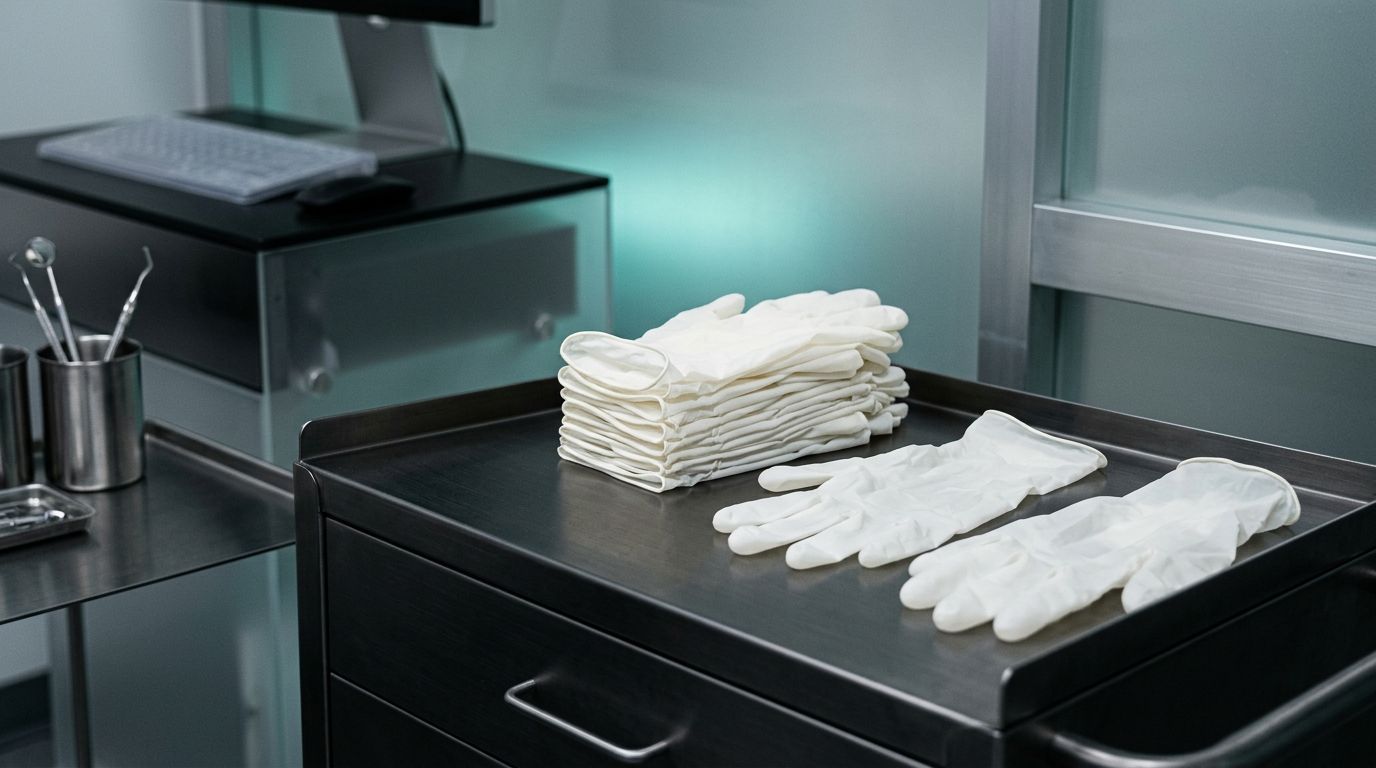
When you think of a bustling hospital, what comes to mind? The sound of beeping machines, nurses bustling around, and let's not forget the essential supplies that keep everything running smoothly. One of the most critical yet often overlooked items in any medical procedure is latex gloves. Yes, those seemingly simple pieces of rubber are vital for maintaining hygiene and safety, especially during cardiovascular procedures.
The Unsung Heroes of the OR
As a medical professional who has spent years observing cardiovascular surgeries, let me tell you: latex gloves are the unsung heroes in the operating room (OR). I still remember my first day in the OR. The anticipation was palpable, and I could feel my pulse quickening. The surgeon, a seasoned pro with decades of experience, snapped on a fresh pair of latex gloves in preparation for a complicated bypass surgery. It struck me then just how significant that moment was those gloves were not only a barrier against infection; they symbolized a commitment to patient safety.
The Importance of Hygiene
In cardiovascular procedures, every detail matters. The heart is incredibly delicate, and any contamination can lead to severe complications. Latex gloves offer a reliable way to ensure that we minimize the risk of transmitting pathogens. I often think back to a case during my residency where a simple oversight a small tear in a glove led to an alert being raised about potential infection. Fortunately, the issue was recognized quickly, but it reinforces the importance of using high-quality, intact latex gloves at all times.
Comfort and Dexterity Matter
One thing I've learned over the years is that comfort in healthcare is as important as function. Latex gloves provide an impressive balance between protection and the ability to feel what you're doing during delicate procedures. If you've ever worn a pair, you know the sensation of having a second skin: you can still feel the pulse of a heartbeat while maneuvering instruments during a procedure. I recall a particularly intricate valve repair where the surgeon had to navigate through tight spaces with precision. The gloves allowed for an incredible range of motion. In contrast, other materials often feel bulky and reduce sensitivity. It's those little details that make a significant difference during a high-stakes operation.
Relatable Scenarios
Ordering Wholesale Gloves for Your Facility?
Access our direct self-service portal for real-time tiered volume pricing, immediate proforma & GST invoice generation, and pan-India dispatch tracking.
Imagine being a nurse in the cardiac intensive care unit (CICU), where patients require close monitoring. You're constantly changing IV lines, administering medication, and providing care, all while wearing latex gloves. The sheer volume of gloves we consume is astonishing! Yet each pair is crucial to maintaining a sterile environment. I can vividly remember feeling overwhelmed one night when a patient's condition rapidly declined. I snapped on a fresh pair of gloves, feeling a sense of calm wash over me. It was a reminder that we were all committed to keeping this patient safe.
Latex vs. Other Materials
Some may wonder, Why not use nitrile or vinyl gloves? Well, while these materials have their merits, latex is often preferred for cardiovascular procedures for several reasons. Latex gloves are known for their elasticity and comfort, providing a snug fit that enhances dexterity. This is particularly valuable in surgical settings where precise movements are critical.However, it's crucial to note that some healthcare professionals may be allergic to latex. This presents an important consideration that can't be overlooked. Hospitals need to have latex-free options available to ensure the safety of all staff members.
Practical Advice for Choosing Gloves
When selecting latex gloves for cardiovascular procedures, here are a few tips to keep in mind:1. Check for Certification: Always opt for gloves that meet the standards set by regulatory bodies. Look for gloves that are FDA-approved for medical use.2. Watch for Allergies: Be aware of latex allergies among staff and patients. When in doubt, keep a stock of alternative materials available.3. Check the Size: Proper fit is essential. Gloves that are too loose can be a hindrance, while those that are too tight may break and create risk.4. Consider Powdered vs. Powder-Free: While powdered gloves can be easier to put on and take off, they can cause complications if the powder contaminates surgical fields, so powder-free gloves are often the safer choice in OR settings.5. Look for Quality: Invest in high-quality gloves that are approved for surgical use. This isn't an area where you want to cut corners!
Final Thoughts
Latex gloves are more than just a piece of equipment; they are an essential component of patient care, safety, and health in cardiovascular procedures. From the surgical floor to the CICU, they are part and parcel of the medical uniform that signifies professionalism and commitment. So the next time you see a healthcare provider donning latex gloves, remember that it's not just about hygiene it's about dedication to their patients, a pledge to uphold standards of care, and a commitment to saving lives.In the fast-paced world of hospitals, these little nuances matter. As I step into the OR once more, I, for one, will always appreciate the role of latex gloves in cardiovascular care. They've become a part of my story and the stories of countless patients, woven into the very fabric of healing in our hospitals.
What standards govern ANEMOI latex examination gloves?
ANEMOI examination gloves are manufactured under ISO 13485:2016 quality management systems and conform to EN 455 and ASTM standards with strict AQL 1.5 pinhole water-tightness testing.
How does Latex gloves for cardiovascular procedures in hospitals impact daily workplace safety?
Proper glove selection ensures optimal barrier integrity, tactile precision, and user dexterity while minimizing cross-contamination risks across medical, laboratory, and industrial environments.
Can facilities order wholesale cartons and request trial sample boxes?
Yes. Hospitals, clinics, and commercial facilities can request 1–2 box sample evaluation kits or access volume carton pricing directly via the ANEMOI B2B client portal.