Latex Gloves for Blood Handling Safety
- Barrier Performance: In-depth evaluation of why use latex gloves? to ensure high tactile sensitivity and tear resistance.
- Clinical Ergonomics: Optimizing the importance of blood handling safety to reduce user hand fatigue during prolonged operational shifts.
- Procurement & Standards: Regulatory compliance covering choosing the right gloves across healthcare and industrial environments.
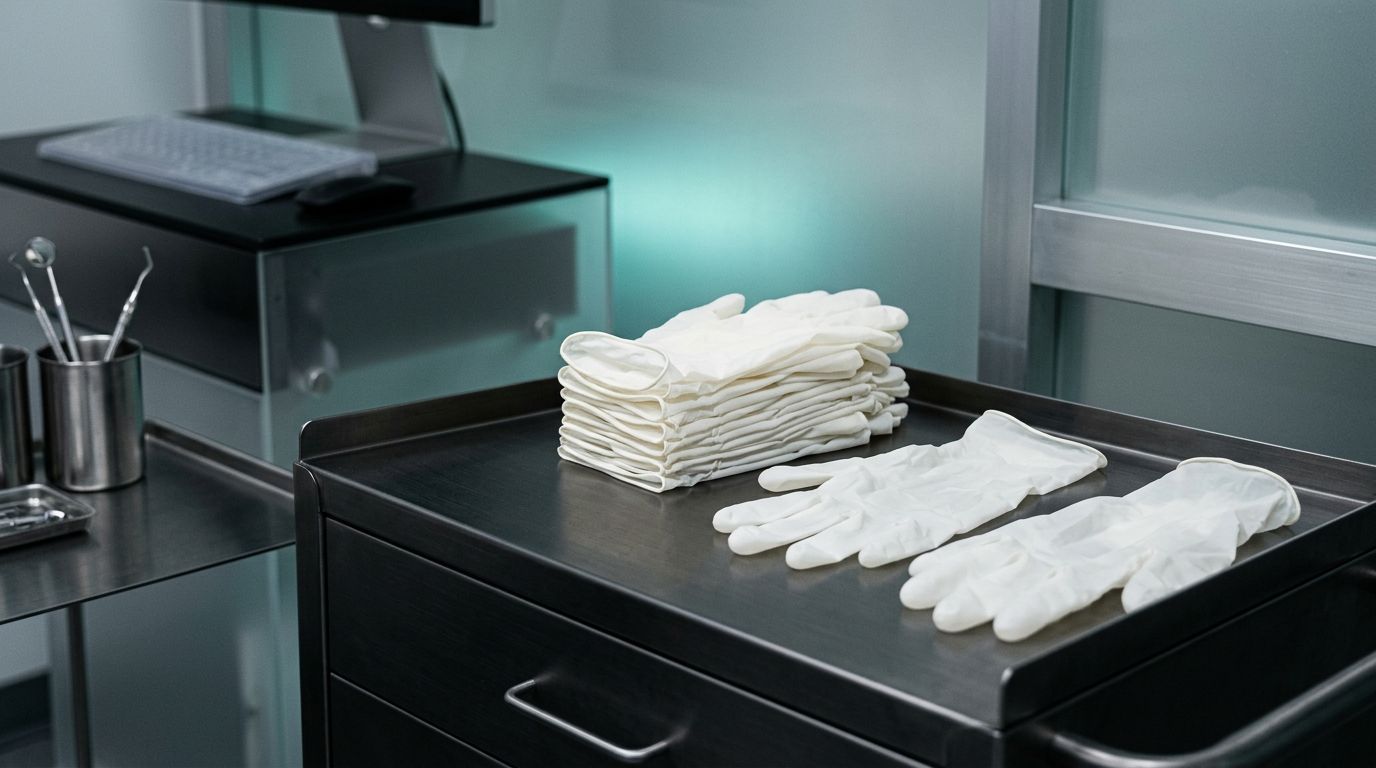
When it comes to handling blood, whether you're a medical professional, a first responder, or a curious science enthusiast, safety should always be your top priority. One of the most critical pieces of personal protective equipment (PPE) in these situations is the humble latex glove. In this article, we'll dive into why latex gloves are essential for blood handling, share personal anecdotes, and provide practical advice to keep you safe during these important tasks.
Why Use Latex Gloves?
Latex gloves are made from natural rubber latex, which makes them highly elastic, comfortable, and form-fitting. This snug fit allows for better dexterity important when you're performing tasks that require precision, such as drawing blood or managing a wound. But beyond comfort, latex gloves offer great barriers against pathogens that can be present in blood, making them a staple in any situation where exposure to blood is possible.
Personal Anecdote
I remember my first day volunteering at a local clinic. I was buzzing with excitement and a hint of nervousness, ready to help in any way I could. My mentor, who had been in the medical field for years, stopped me right at the door. First things first, he said, handing me a box of latex gloves. You can't help anyone if you don't protect yourself.That was a moment of revelation for me. The clinic environment, buzzing with the urgency of patient care, suddenly felt a lot more serious. I slipped on those gloves, feeling both protected and empowered I was ready to assist while keeping myself safe.
The Importance of Blood Handling Safety
Ordering Wholesale Gloves for Your Facility?
Access our direct self-service portal for real-time tiered volume pricing, immediate proforma & GST invoice generation, and pan-India dispatch tracking.
Blood is a body fluid that can carry various infectious diseases, including HIV, hepatitis B and C, and other bloodborne pathogens. The Centers for Disease Control and Prevention (CDC) has long emphasized that proper use of PPE, including gloves, is vital in preventing the transmission of infections. While handling blood, wearing latex gloves acts as a barrier between your skin and any potentially infectious material. But they aren't just for medical workers; imagine a scene where a friend has a minor accident at a picnic having gloves handy can make all the difference when providing first aid.
Choosing the Right Gloves
When selecting latex gloves for blood handling, consider the following factors:1. Size: Gloves come in various sizes (small, medium, large). A well-fitting glove not only feels comfortable but also provides better protection.2. Thickness: For blood handling, gloves that are too thin may tear easily. Look for a thickness that assures durability and flexibility.3. Powdered vs. Powder-Free: Some gloves are coated with a powder to make them easier to put on. However, powder can cause irritation and complications, especially when dealing with open wounds, so powder-free gloves are generally recommended in healthcare settings.
Relatable Scenario
Picture this: you're at a family gathering when Aunt Mary accidentally cuts herself while slicing tomatoes for the salad. Panic ensues. The last thing you want is to stop the bleeding and expose yourself to her blood. Well, if you've got a pair of latex gloves in your bag (and you should just in case!), you grab those, slip them on, and confidently provide first aid without the worry of exposure.
Practical Advice on Usage
1. Inspect for Damage: Always check your gloves for tears or holes before use. A small puncture can compromise your safety.2. Change Frequently: If you're handling multiple patients or tasks, change gloves frequently to avoid cross-contamination.3. Dispose Properly: After use, dispose of gloves in a biohazard waste container. Don't just toss them in a regular trash can keeping everyone safe includes proper disposal methods.4. Practice Good Hygiene: Remember, gloves are not a substitute for handwashing. Always wash your hands before and after using gloves.
Unique Insights
While latex gloves are widely used, some people are allergic to latex proteins. For those individuals, using nitrile gloves can be a safe alternative. Nitrile gloves are equally durable and perfect for those sensitive to latex. When caring for individuals, be aware of their allergies and adjust your PPE accordingly.Additionally, the environmental impact of latex gloves is a topic gaining traction. Many are looking for more sustainable options. Consider compostable or biodegradable gloves made from materials like cornstarch or rubber if you're interested in reducing your ecological footprint.
Conclusion
Latex gloves for blood handling safety are more than just a protective measure; they empower you to engage with critical tasks safely. Whether you're in a clinical setting or at a family picnic, being equipped with the right tools can make all the difference. Always remember to keep safety first, and don't underestimate the impact of a small pair of gloves it can keep you and those around you safe from potential hazards. So, the next time you're gearing up for any blood handling task, let your trusty latex gloves be the unsung heroes of your protective kit! Stay safe and stay prepared!
What standards govern ANEMOI latex examination gloves?
ANEMOI examination gloves are manufactured under ISO 13485:2016 quality management systems and conform to EN 455 and ASTM standards with strict AQL 1.5 pinhole water-tightness testing.
How does Latex gloves for blood handling safety impact daily workplace safety?
Proper glove selection ensures optimal barrier integrity, tactile precision, and user dexterity while minimizing cross-contamination risks across medical, laboratory, and industrial environments.
Can facilities order wholesale cartons and request trial sample boxes?
Yes. Hospitals, clinics, and commercial facilities can request 1–2 box sample evaluation kits or access volume carton pricing directly via the ANEMOI B2B client portal.