Latex Gloves for Baking in the Kitchen
- Barrier Performance: In-depth evaluation of why opt for latex gloves? to ensure high tactile sensitivity and tear resistance.
- Clinical Ergonomics: Optimizing a step-by-step guide to using latex gloves in your baking adventures to reduce user hand fatigue during prolonged operational shifts.
- Procurement & Standards: Regulatory compliance covering real-life scenarios: the glove advantage across healthcare and industrial environments.
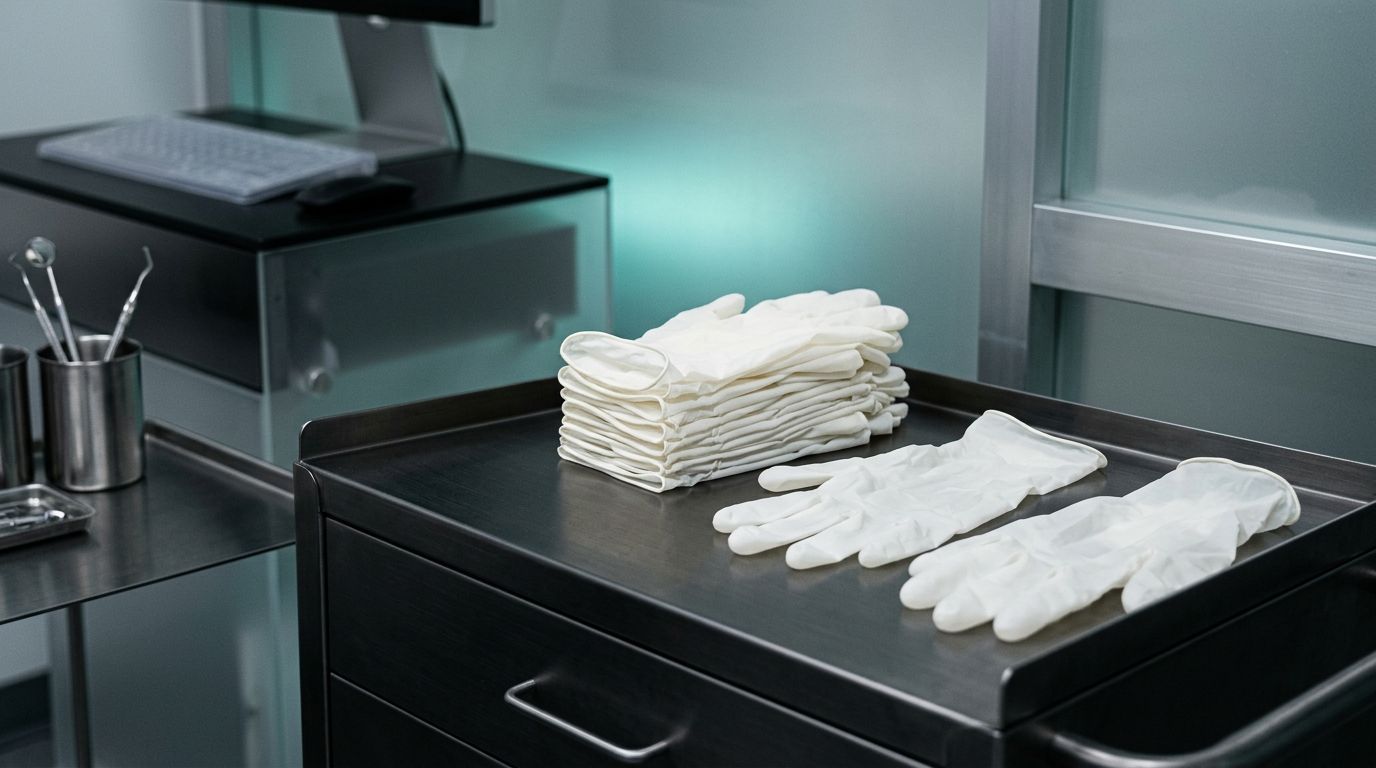
When I first ventured into the world of baking, I didn't think much about the little details that could make a big difference. My focus was entirely on measuring my flour, cracking eggs, and achieving that perfect dough texture. However, one day, while I was elbow-deep in batter, I had an epiphany: why was I not using gloves? This simple decision not only transformed my baking experience but also brought a level of cleanliness and efficiency I never anticipated.
Why Opt for Latex Gloves?
Keeping Things Clean
Let's face it: baking can get downright messy. Flour gets everywhere, and sticky sweet mixtures can cling to your hands as if they're auditioning for a role in a horror movie. Latex gloves serve as a barrier that keeps your hands clean while allowing you to dive into the mixing and kneading without a second thought. Imagine whipping up a batch of cookie dough, and instead of worrying about the layers of flour and sugar caking onto your skin, you simply peel off the gloves and wash your hands in seconds.
Food Safety First
As a home baker, food safety should always be a top priority. Using latex gloves, especially when handling raw ingredients like eggs or meats for savory recipes, minimizes the risk of cross-contamination. I remember a near miss during a Thanksgiving baking marathon when I almost forgot to wash my hands after handling raw turkey. Thankfully, I was wearing my trusty latex gloves, which saved me a freak-out, a sink full of soap, and a hasty handwashing session.
Comfort and Dexterity
One of my biggest concerns about using gloves was the possible loss of dexterity. However, I soon discovered that latex gloves are designed to fit snugly, allowing for good grip and flexibility. Whether you're kneading dough or piping icing onto cupcakes, wearing latex gloves means you can maintain control while keeping your hands protected. I once made the mistake of opting for dishwashing gloves during a baking session. Let's just say that it felt like I was boxing with dough rather than mixing it!
A Step-by-Step Guide to Using Latex Gloves in Your Baking Adventures
Ordering Wholesale Gloves for Your Facility?
Access our direct self-service portal for real-time tiered volume pricing, immediate proforma & GST invoice generation, and pan-India dispatch tracking.
1. Choose the Right Size: Just like shoes, gloves come in various sizes. Make sure to pick a pair that fits well; too tight, and they'll restrict motion; too loose, and you may find yourself wrestling against them during intricate tasks.2. Use They Disposably: Latex gloves are typically designed for one-time use, which makes them a convenient option for cleaning up after a baking session. After you've finished, simply pull them off and toss them away. It's like a little victory at the end of a long baking day no extensive clean-up required!3. Don't Forget About Allergies: While I love latex gloves, some people experience allergies to latex. If you or your baking buddies fall into this category, consider alternatives like nitrile or vinyl gloves. They work just as well for baking purposes!4. Mix and Match with Kitchen Tasks: I often have different gloves for various tasks. For example, I wear thinner latex gloves when handling delicate pastries and thicker ones when rolling out cookie dough. It's all about finding what works for you.
Real-Life Scenarios: The Glove Advantage
Scenario 1: The Cookie Bake-off
Imagine it's a Saturday afternoon, and I'm hosting a cookie bake-off with friends. Flour is flying, laughter fills the kitchen, and soon enough, I realize we're all moving towards a sticky situation until I remember the stack of latex gloves in the drawer. Each of us slips on gloves, and just like that, we can dig our hands into the cookie batter without worrying about who touched what. At the end of the day, we had a blast, one kitchen disaster averted, and all our cookies safely made without a hint of raw egg worry!
Scenario 2: The Icing Extravaganza
Not too long ago, I had a cake decorating challenge with my kids. As they enthusiastically attempted to color their buttercream icing, the dye was flying everywhere. With everyone's hands turning rainbow-colored, I handed out latex gloves. Suddenly, we transformed from a messy art project to a clean, organized baking activity our hands were still clean, and our creativity was unleashed!
Practical Advice: Make It a Habit
Using latex gloves for baking may seem like a small detail, but it intertwines with many aspects of the baking experience: safety, hygiene, and comfort. My advice is to make it a part of your baking routine. Each time you step into the kitchen to whip up something delicious, grab those gloves before you get started. Not only will you save yourself the hassle of scrubbing sticky hands later, but you'll also create an environment that's conducive to creativity and culinary exploration.
Conclusion
In conclusion, latex gloves for baking in the kitchen are your unsung heroes. They keep your hands clean, ensure food safety, and add a sense of comfort to your baking experience. So, the next time you're prepping for a baking session, don't underestimate the power of a good pair of gloves. You might just find that they elevate your time in the kitchen to a whole new level! Happy baking!
What standards govern ANEMOI latex examination gloves?
ANEMOI examination gloves are manufactured under ISO 13485:2016 quality management systems and conform to EN 455 and ASTM standards with strict AQL 1.5 pinhole water-tightness testing.
How does Latex gloves for baking in the kitchen impact daily workplace safety?
Proper glove selection ensures optimal barrier integrity, tactile precision, and user dexterity while minimizing cross-contamination risks across medical, laboratory, and industrial environments.
Can facilities order wholesale cartons and request trial sample boxes?
Yes. Hospitals, clinics, and commercial facilities can request 1–2 box sample evaluation kits or access volume carton pricing directly via the ANEMOI B2B client portal.