Latex Gloves Food Safe for Bakery Products
- Barrier Performance: In-depth evaluation of why choose latex gloves? to ensure high tactile sensitivity and tear resistance.
- Clinical Ergonomics: Optimizing food safety in baking: a crucial element to reduce user hand fatigue during prolonged operational shifts.
- Procurement & Standards: Regulatory compliance covering choosing the right gloves across healthcare and industrial environments.
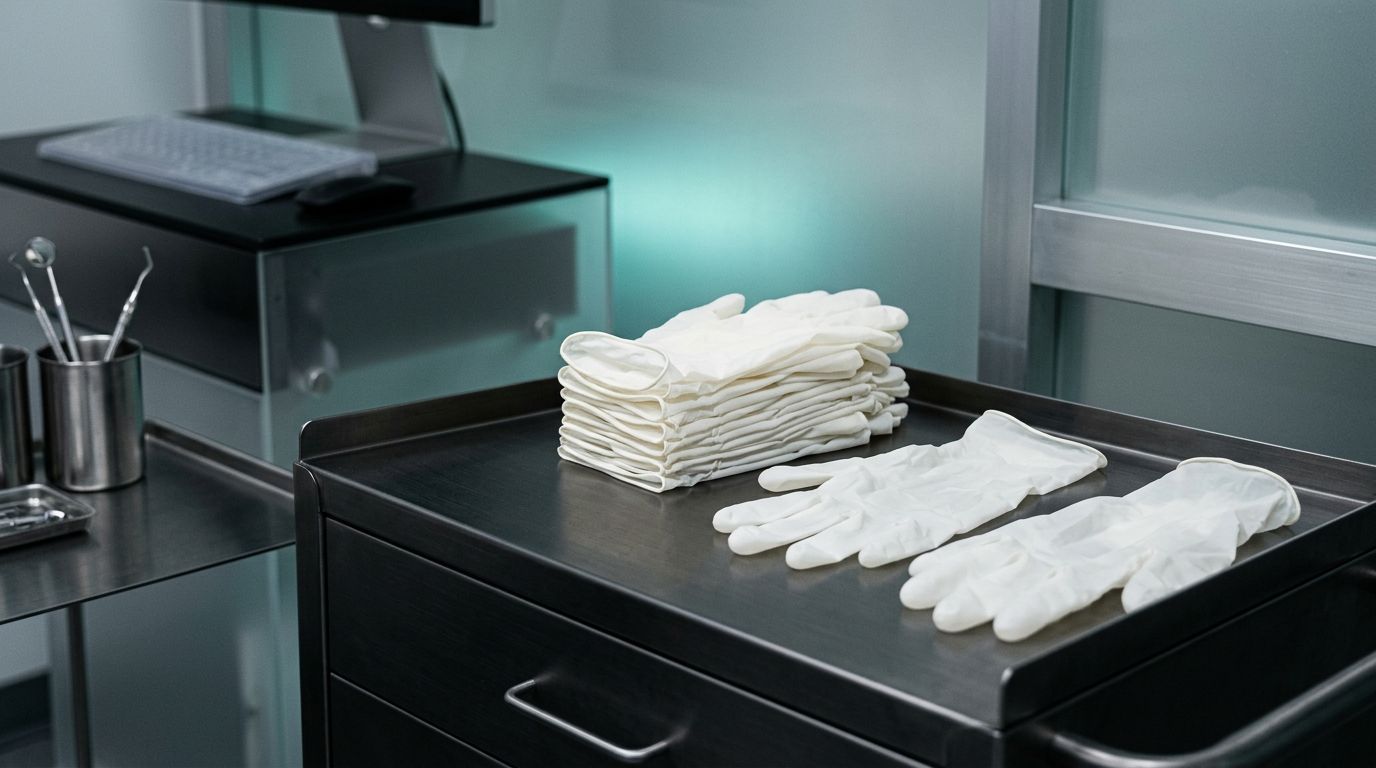
Welcome to the scrumptious world of baking! Whether you're a seasoned pastry chef or just a Sunday baker whipping up cookies for the family, ensuring food safety in your kitchen is paramount. One area that often raises questions is the use of latex gloves, especially for food preparation in bakeries. So, let's dive into how latex gloves can be a game-changer for your baking adventures.
Why Choose Latex Gloves?
I've been baking for as long as I can remember fond memories of flour flying everywhere with my grandma come to mind. But one lesson that always stuck was the importance of cleanliness in the kitchen. Enter latex gloves! These gloves are not only a protective barrier between your hands and raw ingredients, but they also have a softness and dexterity that can enhance your baking experience.Latex gloves are made from natural rubber latex, which means they are both flexible and durable. They fit snugly, providing that tactile feel that is crucial when dealing with dough and delicate pastries. It's like having a second skin!
Personal Anecdote: Mixing with Love
I remember one baking session that tested my patience. I was attempting my grandma's famous chocolate chip cookies, and let's just say, things got a little messy. I had flour on my face, and my hands were covered in cookie dough. While cleaning up was no small task, I couldn't help but think how much easier it would have been if I had used latex gloves. Not only would my hands have stayed cleaner, but I would have avoided that awkward moment of explaining to my husband why I looked like I had lost a flour fight!
Food Safety in Baking: A Crucial Element
Ordering Wholesale Gloves for Your Facility?
Access our direct self-service portal for real-time tiered volume pricing, immediate proforma & GST invoice generation, and pan-India dispatch tracking.
When you're in the kitchen, food safety should always be priority number one. Wearing latex gloves while baking can help you prevent the transfer of bacteria from your hands to the food. For instance, if you're preparing both sweet and savory items, switching gloves between tasks minimizes contamination risks. Think about it: if you've just handled raw eggs or chicken and then dive right into making icing without washing your hands or changing your gloves, that's a recipe for disaster quite literally. I recall a baking disaster with carrot cake when I forgot to wash my hands after prepping a savory dish. Let's just say that it ended in a rather unhappy family tasting session!
Choosing the Right Gloves
While latex gloves are popular in many kitchens, it's essential to choose food-safe options. Always look for gloves that are labeled as food safe. They should conform to regulations, ensuring they don't leach harmful substances into food. I remember once picking up a box of cheap gloves, only to realize later they weren't designed for food preparation. Result? A questionable cupcake I threw out (and vowed never to do that again).
Tips for Selecting Food Safe Gloves:
1. Check the Certification: Look for gloves that are FDA-approved for food handling.2. Think About Allergies: Some people are allergic to latex. If you're baking for a diverse group, consider using nitrile or vinyl gloves to avoid allergic reactions.3. Size Matters: Choose the right fit! Gloves that are too tight can tear, and those that are too loose can make handling dough a challenge.
Practical Advice: Usage and Disposal
Once you have your food-safe latex gloves, it's time to put them to good use. But remember, wearing gloves doesn't mean you can skip washing your hands! Always wash your hands before putting on gloves and before switching between tasks.- Use Gloves When: Handling yeast dough, mixing batter, or decorating cakes.- Change Gloves When: Switching from raw ingredients to finished products, or if they become damaged or soiled.And let's talk about disposal. Latex gloves are not recyclable in most places, so it's best to throw them in the trash after use. I've made the mistake of just tossing them in the sink only to have a mini panic when I couldn't find them later needless to say, my food prep became quite the scavenger hunt!
In Conclusion: Bake with Confidence
So, whether you're crafting artisan bread or layering a decadent cake, having latex gloves on hand pun intended can elevate your baking game. With the right food safety practices, you can focus on creating delicious treats without the worry of contamination. As you embark on your next baking adventure, think about incorporating latex gloves into your routine and make that kitchen a clean, safe, and delightful space. Happy baking now go whip up some magic with added safety and flair!
What standards govern ANEMOI latex examination gloves?
ANEMOI examination gloves are manufactured under ISO 13485:2016 quality management systems and conform to EN 455 and ASTM standards with strict AQL 1.5 pinhole water-tightness testing.
How does Latex gloves food safe for bakery products impact daily workplace safety?
Proper glove selection ensures optimal barrier integrity, tactile precision, and user dexterity while minimizing cross-contamination risks across medical, laboratory, and industrial environments.
Can facilities order wholesale cartons and request trial sample boxes?
Yes. Hospitals, clinics, and commercial facilities can request 1–2 box sample evaluation kits or access volume carton pricing directly via the ANEMOI B2B client portal.