Latex Gloves Food Safe Certification
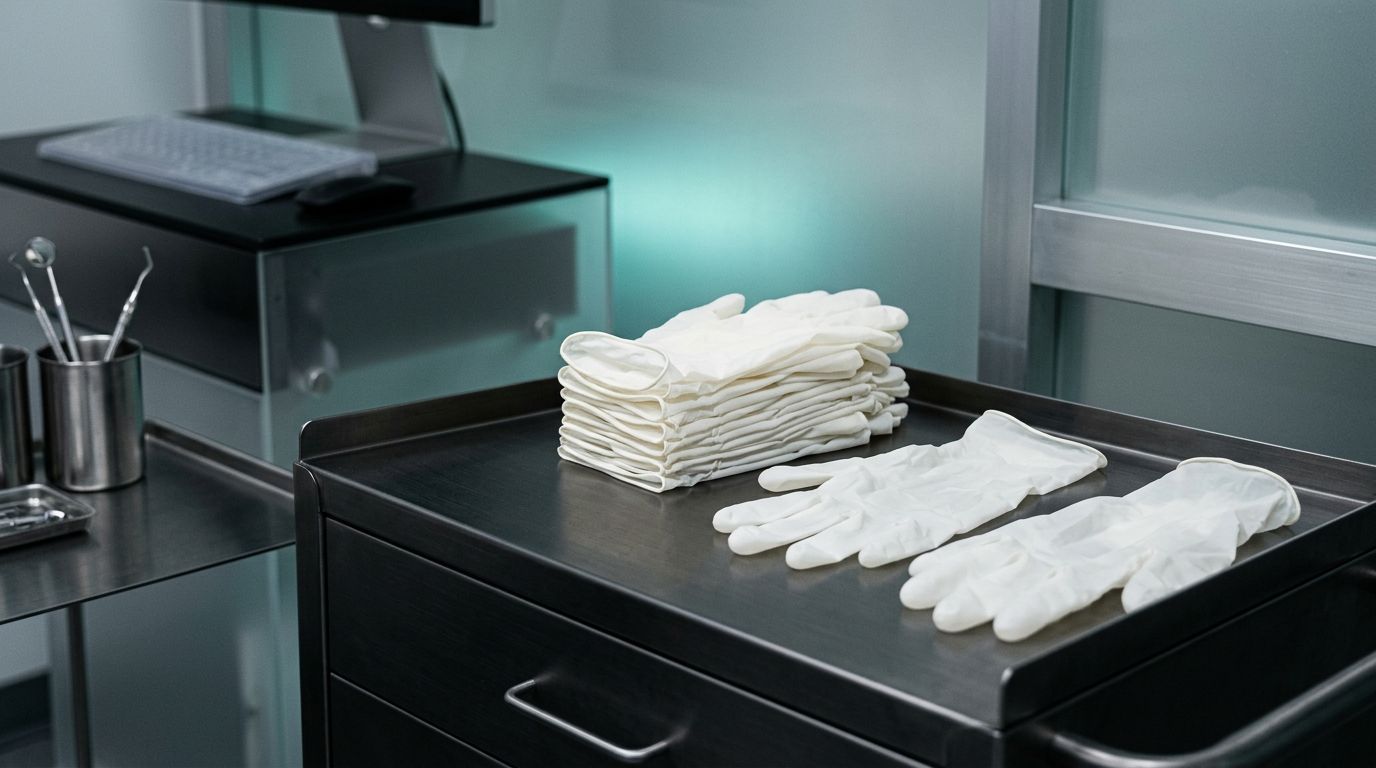
When it comes to working in the kitchen, whether you're a professional chef or a home cook whipping up dinner for the family, safety should always be a priority. One often overlooked aspect of kitchen safety is the gloves we use. In recent years, the topic of latex gloves food safe certification has surged into the limelight, and for good reason! Let's dive into what this certification means, why it's important, and how choosing the right gloves can enhance food safety in your culinary adventures.
Understanding Food Safe Certification
First things first, let's talk about what food safe really means. When a product is labeled as food safe, it indicates that it has met stringent regulations set forth by various health and safety agencies. This results in gloves designed specifically for tasks involving food preparation, decreasing the risk of contamination. Latex gloves, when properly certified, are not only effective barriers to bacteria and viruses but also ensure that harmful chemicals do not leach into your food.
My First Cooking Disaster
Let me share a quick personal story. A few years back, I attempted to make my first homemade salsa. Chopping those fresh peppers, tomatoes, and onions was bliss untilu2026 I thought it would be a great idea to skip the gloves. Big mistake. That night, I ended up with the worst case of pepper hands, which is a fiery sensation that lingers long after you've washed your hands. That experience taught me two things: the importance of wearing gloves and the necessity of choosing the right kind. I began my quest for the safest food handling options, which led me to discover the significance of latex gloves with food safe certification.
Why Choose Latex Gloves?
ANEMOI Medical Powder-Free Examination Gloves
Manufactured with high tensile strength (≥18 MPa) and micro-textured grip surface. Fully ISO 9001:2015 & CE Certified for hospitals, labs, and industrial safety.
There is much debate about which type of gloves are the best for food safety, but latex gloves have long been a favorite for many professionals in the food industry. Here are a few reasons:1. Comfort and Fit: Latex gloves are stretchy and conform nicely to your hands, allowing for better dexterity. I remember the first time I put on a pair while preparing a large event. It felt like I could chop, slice, and scoop without losing my grip!2. Barrier Protection: They provide an effective barrier against contaminants. Imagine you're handling raw chicken or seafood; having the right gloves on keeps you safe and ensures your kitchen remains sanitized.3. Resistance to Punctures and Tears: High-quality latex gloves have great durability for food handling, preventing any accidental breaks during use.4. Biodegradable Options: Unlike some other materials, latex is biodegradable, making them a more environmentally-friendly choice.
The Certification Process
It's important to ensure that the latex gloves you choose are food safe certified. In the U.S. for example, the FDA evaluates food contact substances and regulates the materials used in gloves. Look for certifications such as ASTM D6978 or relevant ISO certifications, which can typically be found on product packaging or the manufacturer's website.Pro tip: Always read product labels! I can't emphasize this enough. The last time I didn't, I ended up with a box of gloves that were more fit for medical use than food preparation definitely not what I needed for my taco night!
Real-Life Scenarios
Working at a local cafe, I once saw a fellow chef donning non-certified gloves while preparing salads. As customers watched, I felt the need to intervene. I casually explained how using non-certified gloves could lead to food safety issues or even customer illness. It sparked a conversation among the staff about best practices. It's amazing how sharing knowledge can elevate everyone's awareness.
Practical Advice for Using Latex Gloves
1. Change Often: It's essential to change gloves frequently especially when switching between raw and cooked foods. 2. Do Not Reuse: Latex gloves are single-use. Reusing them spreads bacteria rather than preventing it.3. Check for Damage: Before wearing them, inspect the gloves. Any signs of tears or holes mean it's time for a new pair. I learned this the hard way while preparing a big Thanksgiving feast I had a few unexpected splashes of gravy on my hands!4. Training and Policies: If you're managing a kitchen, ensure staff are trained on the importance of using certified gloves. Create a culture of safety.
Conclusion
When it comes to food safety in the kitchen, knowledge is your best ingredient. Understanding the importance of latex gloves food safe certification can make a difference in the way you prepare meals. So, whether you're chopping vegetables, handling meats, or preparing desserts, make sure you're wearing the right gloves. Not only will it keep you safe from contaminants, but it will also elevate your culinary game. Have you ever experienced a food safety mishap? What practices do you swear by in your kitchen? Let's keep this conversation going and make our cooking spaces safer together!