Latex Gloves Clinical Options for Allergy Fighters
- Barrier Performance: In-depth evaluation of understanding the latex allergy landscape to ensure high tactile sensitivity and tear resistance.
- Clinical Ergonomics: Optimizing non-latex glove options to reduce user hand fatigue during prolonged operational shifts.
- Procurement & Standards: Regulatory compliance covering choosing the right gloves: what to consider across healthcare and industrial environments.
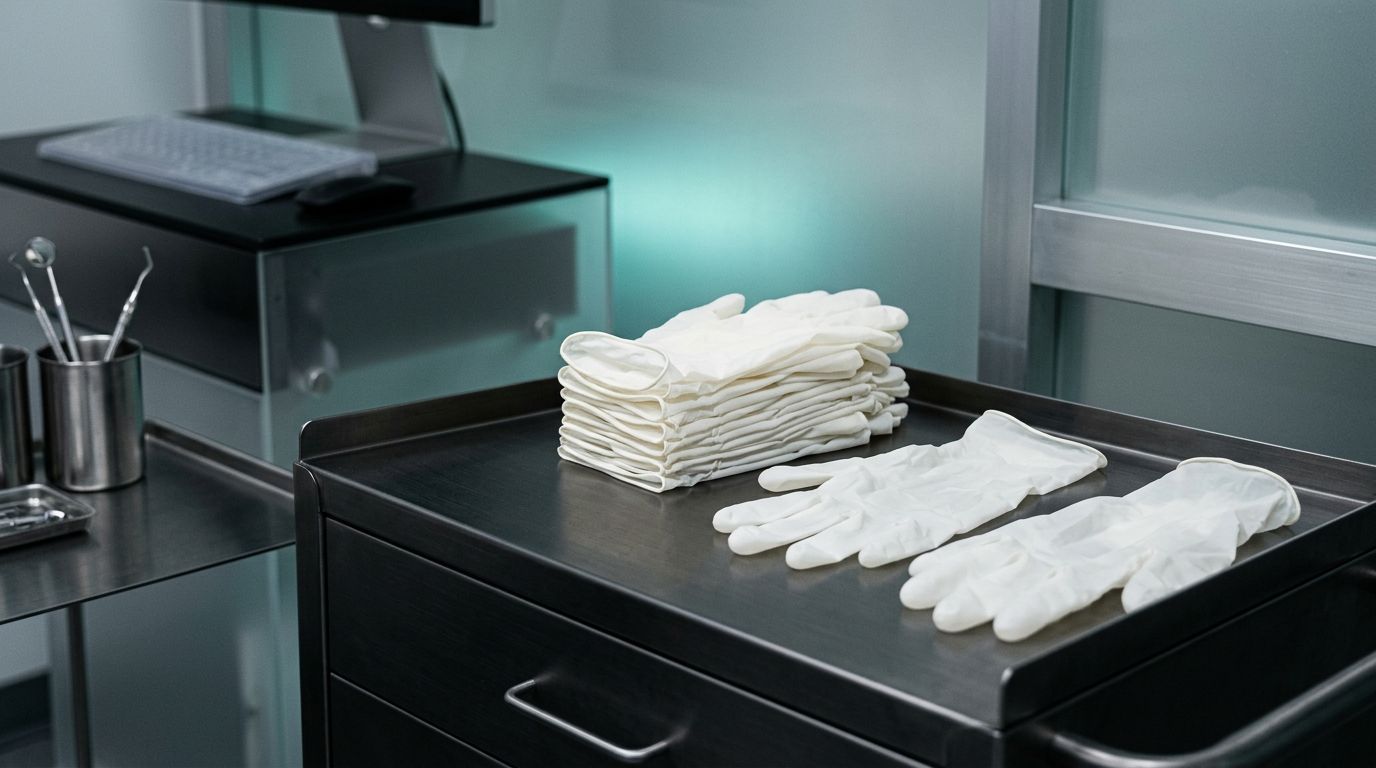
When it comes to protecting ourselves and others in clinical and everyday settings, the right choice of gloves is crucial. For those who suffer from latex allergies, the search for suitable gloves can sometimes feel like navigating a maze blindfolded. But don't worry! If you're an allergy fighter or just interested in the best glove options available, this article is for you.
Understanding the Latex Allergy Landscape
Before delving into glove options, it's important to recognize what a latex allergy entails. For some individuals, exposure to latex can lead to mild reactions like skin irritation or rashes, while for others, it may provoke severe, life-threatening reactions such as anaphylaxis. Taking this into consideration, let's explore some practical alternatives to latex gloves that are equally effective for clinical use.
Personal Anecdote: The First Reaction
I remember my first encounter with latex gloves. As a nursing student, I was handed a pair before my first clinical session. The instant I pulled them on, I felt a twinge of discomfort, but I shrugged it off as nerves. A couple of hours into my shift, I began to itch uncontrollably. By the end of the day, I realized my body was sending me a clear message: No more latex for you! That experience opened my eyes to the importance of knowing what works for my skin and health.
Non-Latex Glove Options
Ordering Wholesale Gloves for Your Facility?
Access our direct self-service portal for real-time tiered volume pricing, immediate proforma & GST invoice generation, and pan-India dispatch tracking.
Fortunately, there are several high-quality, non-latex glove options available on the market today. Each option has its own set of benefits, so let's break them down.
1. Nitrile Gloves
Nitrile gloves are one of the most popular alternatives to latex. Made from synthetic rubber, they are highly durable and provide an excellent barrier against a wide range of chemicals and pathogens.- Personal Experience: I've found that nitrile gloves fit snugly and provide a good sense of touch. During a cooking class where we were handling raw meat, nitrile gloves not only protected my hands but also gave me the confidence to prevent cross-contamination.- Pros: Nitrile gloves are puncture-resistant and great for individuals with sensitivities to latex. They also tend to be more cost-effective than some other options.- Scenarios: Whether you're a healthcare professional treating patients or a DIY enthusiast handling chemicals, nitrile gloves stand up to the test.
2. Vinyl Gloves
Vinyl gloves are another excellent option, especially for those who may need to wear gloves for extended periods without the snug fit of nitrile.- Unique Insight: Vinyl gloves are generally looser and might be perceived as less protective than nitrile, but they are fantastic for tasks that don't involve high-risk exposure to fluids or hazardous materials.- Pros: They are less expensive than nitrile and provide a good barrier against mild irritants. They are ideal for food preparation or cleaning when minimal protection is needed.- Relatable Scenario: When preparing snacks for a party, I often turn to vinyl gloves. They allow me to quickly switch from handling raw vegetables to preparing dips without getting my hands dirty.
3. Polyethylene Gloves
If you're looking for basic protection for short, low-risk tasks, polyethylene gloves might be the right choice.- Practical Advice: These gloves are lightweight and easy to put on and take off, making them perfect for tasks like serving food or simple cleaning chores.- Example: At a recent family gathering, I used polyethylene gloves while chopping fruits for the kids. Easy to throw away afterward, they were ideal for a task that didn't require heavy-duty protection.
4. Hybrid Gloves
Some companies are now producing hybrid gloves that combine different materials, offering a range of properties from both nitrile and vinyl.- Unique Insight: These gloves can be a great choice for those wanting the best of both worlds durability, comfort, and affordability.- Scenario to Consider: If you work in a clinical setting yet frequently switch between light tasks and procedures that require more protection, hybrid gloves might offer the versatility you need.
Choosing the Right Gloves: What to Consider
When selecting the right gloves, consider the following:- Task at Hand: What kind of tasks will you be performing? Is there a risk of fluid exposure or chemical contact?- Comfort Level: Try out different brands and styles to find what feels best for you. Some gloves may have textured fingertips for better grip.- Cost vs. Quality: Remember that while it's tempting to go for the cheapest option, quality is crucial in healthcare and safety.
Final Thoughts: Your Journey as an Allergy Fighter
As someone who has journeyed through the world of latex allergies, I can attest that there's no one-size-fits-all solution when it comes to glove options. The key is to explore and experiment until you find the right fit for your hands and needs.By embracing non-latex alternatives like nitrile, vinyl, polyethylene, or hybrid gloves, you can protect your skin without compromising on safety. So, the next time you reach for a pair of gloves, remember that being an allergy fighter gives you the power to make informed choices. Stay safe, stay healthy, and don't shy away from advocating for what best protects you!
What standards govern ANEMOI latex examination gloves?
ANEMOI examination gloves are manufactured under ISO 13485:2016 quality management systems and conform to EN 455 and ASTM standards with strict AQL 1.5 pinhole water-tightness testing.
How does Latex gloves clinical options for allergy fighters impact daily workplace safety?
Proper glove selection ensures optimal barrier integrity, tactile precision, and user dexterity while minimizing cross-contamination risks across medical, laboratory, and industrial environments.
Can facilities order wholesale cartons and request trial sample boxes?
Yes. Hospitals, clinics, and commercial facilities can request 1–2 box sample evaluation kits or access volume carton pricing directly via the ANEMOI B2B client portal.