Latex Gloves Chemical Resistant for Food Safety
- Barrier Performance: In-depth evaluation of why latex gloves? to ensure high tactile sensitivity and tear resistance.
- Clinical Ergonomics: Optimizing safety from chemicals and contaminants to reduce user hand fatigue during prolonged operational shifts.
- Procurement & Standards: Regulatory compliance covering choose chemical-resistant for extra care across healthcare and industrial environments.
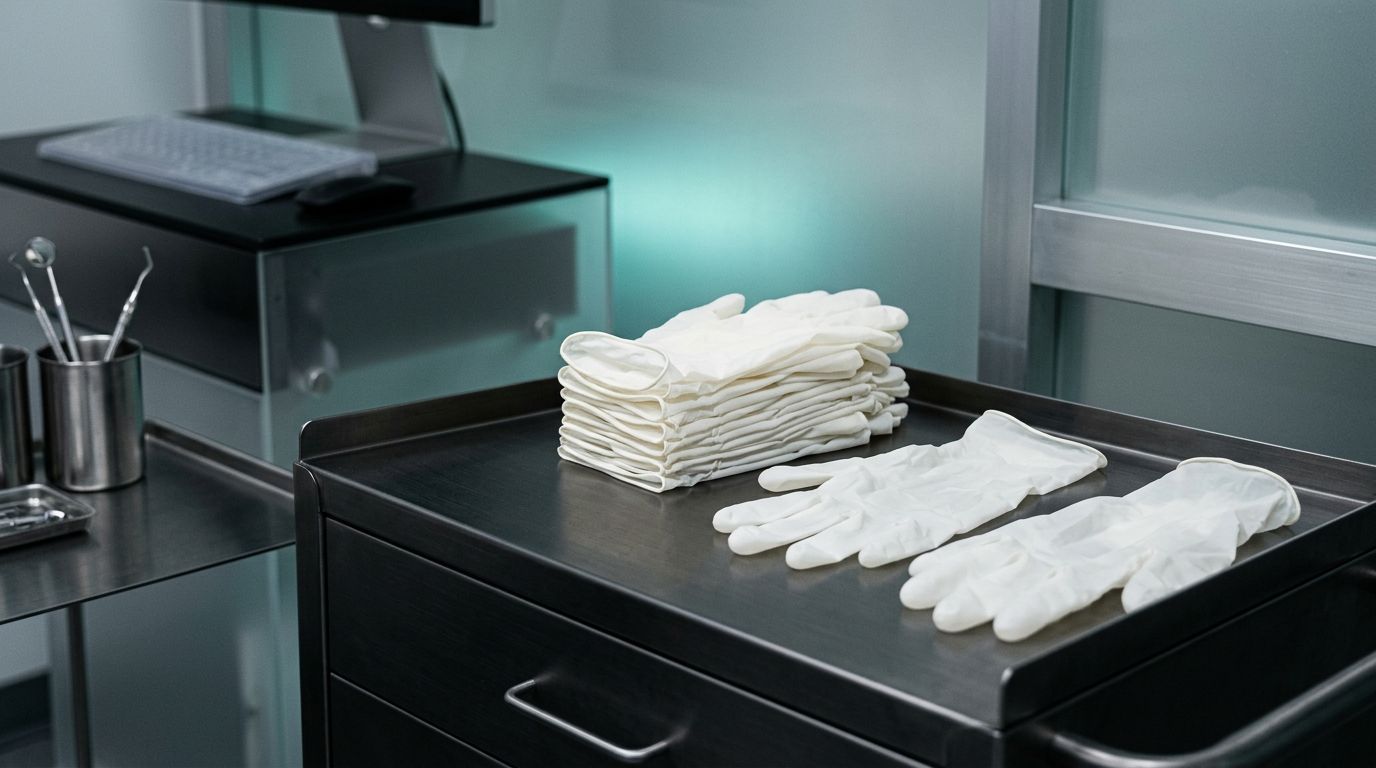
When it comes to food safety, every little detail counts. From washing your hands before preparing a meal to ensuring the surfaces you work on are clean and sanitized, your attention to detail can make all the difference. One aspect of food safety that often deserves more attention than it receives is the type of gloves we use when handling food particularly, latex gloves that are chemical resistant.
Why Latex Gloves?
My story with latex gloves began a few years back while working part-time in a local bakery. You can imagine the frantic environment: flour flying, ovens roaring, and the smell of freshly baked bread wafting through the air. And of course, with all that deliciousness comes responsibility ensuring that everything we do is safe for our customers. One day, while preparing ingredients for a batch of cookies, I accidentally spilled some cleaning solution. I remember picking up a box of latex gloves to handle the situation. The benefits of using these gloves were immediately clear. Not only did they protect my skin from potential irritation, but they also helped me maintain a cleaner workspace.
Safety From Chemicals and Contaminants
Ordering Wholesale Gloves for Your Facility?
Access our direct self-service portal for real-time tiered volume pricing, immediate proforma & GST invoice generation, and pan-India dispatch tracking.
Latex gloves are particularly effective in shielding food handlers from various chemicals that, while necessary for maintaining cleanliness, can be harmful when they come into contact with your skin. For example, many commercial cleaners contain potent substances that can disrupt our skin's barrier and lead to allergic reactions or other health issues. In my bakery, the team often used strong sanitizers to ensure our surfaces were squeaky clean. It was not uncommon for someone to come in contact with these substances directly. A few times, I noticed my co-workers mistakenly grabbed a pair of regular gloves instead of the sturdy latex ones. Their hands would get red and irritated after a shift. This relatable scenario reinforced for me that when working in food safety, *the type of glove matters*.
Choose Chemical-Resistant for Extra Care
When it comes to food safety, anything less than chemical-resistant latex gloves just doesn't cut it. I remember chatting with my supervisor about why we invested in these gloves. They explained that in the food industry, having a barrier that's chemical-resistant not only protects the worker but also ensures that no harmful elements could contaminate the food being prepared. For instance, if you're dealing with ingredients that might be affected by residual cleaning agents (think about those times when you cleaned your kitchen with strong bleach-based solutions), using chemical-resistant gloves ensures those residues stay away from our food.
Real-Life Application in the Kitchen
Picture this: you're hosting a dinner party and you're excited about making a classic lasagna from scratch. You've laid out all your ingredients, you've washed your vegetables, and you're about to start cooking. But wait! You suddenly remember you had just cleaned your kitchen with a strong chemical cleaner. Had you worn basic gloves, you might risk contaminating your beautiful meal. Instead, with a pair of chemical-resistant latex gloves at hand, you can confidently slice, dice, and layer without worrying about food safety.
Practical Advice: How to Select the Right Gloves
Selecting the right latex gloves for food preparation doesn't have to be confusing. Here are some tips based on my experience in the food industry:1. Check for Certification: Always choose gloves that are certified for food handling. Look for the FDA approval stamp; it indicates that the gloves are safe for food contact.2. Thickness Matters: Opt for thicker gloves if you're working with potentially hazardous chemicals. This additional thickness provides extra protection and durability.3. Size and Fit: Make sure the gloves fit properly. It's essential for dexterity, especially when handling delicate ingredients. They should be snug yet comfortable.4. Be Mindful of Allergies: Some individuals may have latex allergies. In such cases, consider alternatives like nitrile gloves. They provide similar protection without the risk of allergic reactions.5. Dispose Properly: After use, dispose of the gloves responsibly. While they offer great protection, they should be treated as hazardous waste if they've come into contact with strong chemicals.
Conclusion
In the world of food safety, every precaution we take is vital, and this includes choosing the right gloves. My experiences in the bakery taught me just how important it is to have a reliable barrier between our skin and the various chemicals and contaminants that can arise in a bustling kitchen. Using latex gloves that are chemical resistant not only safeguards our health it also guarantees that the food we prepare is safe and delicious for our loved ones. So next time you're whipping up something scrumptious, remember to suit up with your trusty latex gloves. It's a small step, but it's one that goes a long way in ensuring that every bite is as safe as it is tasty!
What standards govern ANEMOI latex examination gloves?
ANEMOI examination gloves are manufactured under ISO 13485:2016 quality management systems and conform to EN 455 and ASTM standards with strict AQL 1.5 pinhole water-tightness testing.
How does Latex gloves chemical resistant for food safety impact daily workplace safety?
Proper glove selection ensures optimal barrier integrity, tactile precision, and user dexterity while minimizing cross-contamination risks across medical, laboratory, and industrial environments.
Can facilities order wholesale cartons and request trial sample boxes?
Yes. Hospitals, clinics, and commercial facilities can request 1–2 box sample evaluation kits or access volume carton pricing directly via the ANEMOI B2B client portal.