Latex Gloves Best Quality for Food Safety
- Barrier Performance: In-depth evaluation of why latex gloves? to ensure high tactile sensitivity and tear resistance.
- Clinical Ergonomics: Optimizing personal experience: the kitchen disaster to reduce user hand fatigue during prolonged operational shifts.
- Procurement & Standards: Regulatory compliance covering practical advice for choosing latex gloves across healthcare and industrial environments.
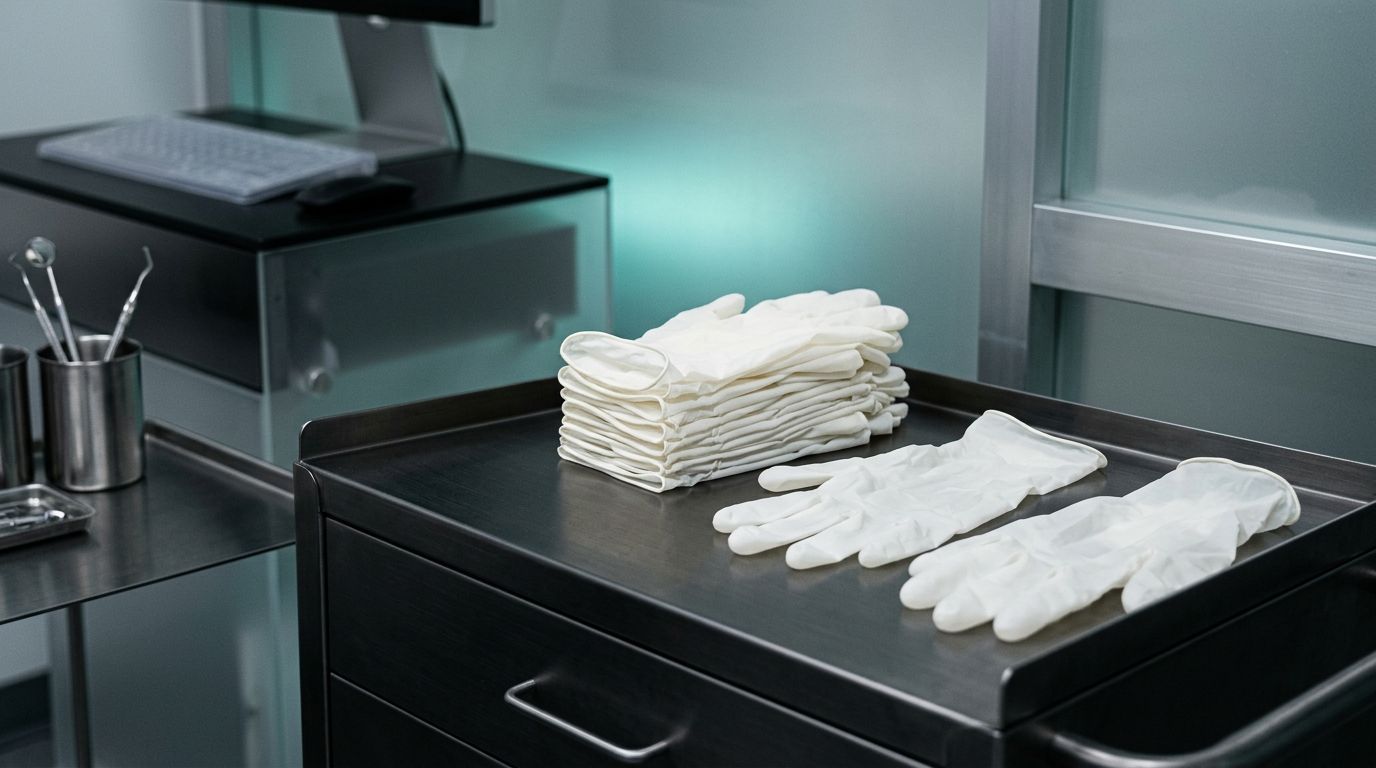
When it comes to food safety, the little things often make the biggest difference. One of those little things that can dramatically affect the hygiene of your cooking process is the choice of gloves, specifically latex gloves. As someone who has spent years dabbling in both home cooking and food service, I've found that the right pair of gloves can elevate your food safety game from eh, it's good enough to absolutely pristine. So let's talk about why latex gloves are your best bet for food safety, share some personal stories, and explore how to choose the right ones.
Why Latex Gloves?
When I first started my culinary journey, I was blissfully unaware of the importance of gloves in the food preparation process. One day, at a friend's little barbecue, I watched him prepare burgers without any gloves. He was multitasking: managing the grill while picking up everything from sliders to salads. I remember thinking, He looks like he knows what he's doing. That was before I learned a valuable lesson about cross-contamination. Latex gloves offer a fantastic barrier against bacteria, dirt, and contaminants. Unlike wood or metal utensils that can harbor bacteria, gloves act as a shield between your hands and the food. This protection is particularly crucial when handling raw meats or greasy ingredients, which can easily transfer harmful bacteria to other foods if not handled properly.
Personal Experience: The Kitchen Disaster
Ordering Wholesale Gloves for Your Facility?
Access our direct self-service portal for real-time tiered volume pricing, immediate proforma & GST invoice generation, and pan-India dispatch tracking.
Let me share a little kitchen fiasco from a few years back. I was prepping for a dinner party and had decided to make my famous spicy chicken wings. Feeling confident, I dove into handling raw chicken without gloves. Halfway through, I realized I had touched my phone and, worse, a few other surfaces. The results? An unforgettable lesson on the importance of using high-quality latex gloves in the kitchen. After that evening turned into a hand-scrubbing marathon (and a lingering fear of foodborne illness), I never prepared food without gloves again. The right gloves are not just about keeping things tidy; they're essential for keeping your guests safe.
Practical Advice for Choosing Latex Gloves
So, how do you find the best quality latex gloves for food safety? Here are my top tips:
1. Check for Good Elasticity and Fit
The best latex gloves should fit snugly without being overly tight. This allows for dexterity, letting you easily handle delicate tasks like plating food or tossing a salad. I once bought a bulk pack that was just a tad too tight. Imagine trying to peel shrimp only to have your glove obstruction turning into a mini wrestling match. Not ideal for dinner party vibes!
2. Look for Powder-Free Options
Powdered latex gloves are convenient for easy on-and-off wear, but they can also leave a residue on your food. I learned this the hard way when I had a friend complain about something odd in my famous guacamole. Turns out, it was powdered latex! The next time, I opted for powder-free gloves, which may take an extra second to put on, but are worth it for food safety.
3. Choose Strong and Durable Brands
Not all gloves are created equal. Look for brands that prioritize quality and strength. One of my favorite brands boasts a sturdy yet flexible design perfect for everything from mixing dough to handling raw fish. A flimsy glove can easily tear, which means you're touching your food with potentially contaminated hands, defeating the purpose entirely.
4. Adhere to Food Safety Standards
Always check that the gloves meet food safety regulations. This is especially crucial if you're preparing food in larger quantities or for commercial purposes. My foray into catering taught me the importance of compliance, especially when a venue requested a food safety certificate. I quickly learned that the right gloves could help me maintain those standards effortlessly.
5. Be Mindful of Allergies
While latex gloves are great for many, some people have latex allergies. Be prepared and keep a supply of alternative gloves like nitrile or vinyl on hand, especially in a diverse cooking environment. Once, I prepared a dish for a gathering without considering some guests with allergies, and let me tell you, it was a sticky situation!
Conclusion: Safety First
When it comes to food safety, using latex gloves of the best quality can be a game-changer. As I've experienced in both home cooking and food service, the right pair of gloves not only keeps food prep hygienic but also gives you the confidence to handle ingredients without worry. It's all about creating a safe, delightful dining experience for you and your guests.So, next time you're prepping a meal whether it's for a casual dinner or a grand party remember that those moments in the kitchen can be improved by taking a few extra precautions. Grab a pair of high-quality latex gloves, and you'll be ready to whip up your culinary masterpieces without a second thought about safety. Trust me, your stomach will thank you later!
What standards govern ANEMOI latex examination gloves?
ANEMOI examination gloves are manufactured under ISO 13485:2016 quality management systems and conform to EN 455 and ASTM standards with strict AQL 1.5 pinhole water-tightness testing.
How does Latex gloves best quality for food safety impact daily workplace safety?
Proper glove selection ensures optimal barrier integrity, tactile precision, and user dexterity while minimizing cross-contamination risks across medical, laboratory, and industrial environments.
Can facilities order wholesale cartons and request trial sample boxes?
Yes. Hospitals, clinics, and commercial facilities can request 1–2 box sample evaluation kits or access volume carton pricing directly via the ANEMOI B2B client portal.