Impact of Latex Allergies on Tattoo Artists
- Barrier Performance: In-depth evaluation of understanding latex allergies to ensure high tactile sensitivity and tear resistance.
- Clinical Ergonomics: Powder-free anatomical fit designed to prevent skin irritation and cross-contamination.
- Procurement & Standards: Direct wholesale availability with pan-India 24–48h dispatch via our B2B procurement portal.
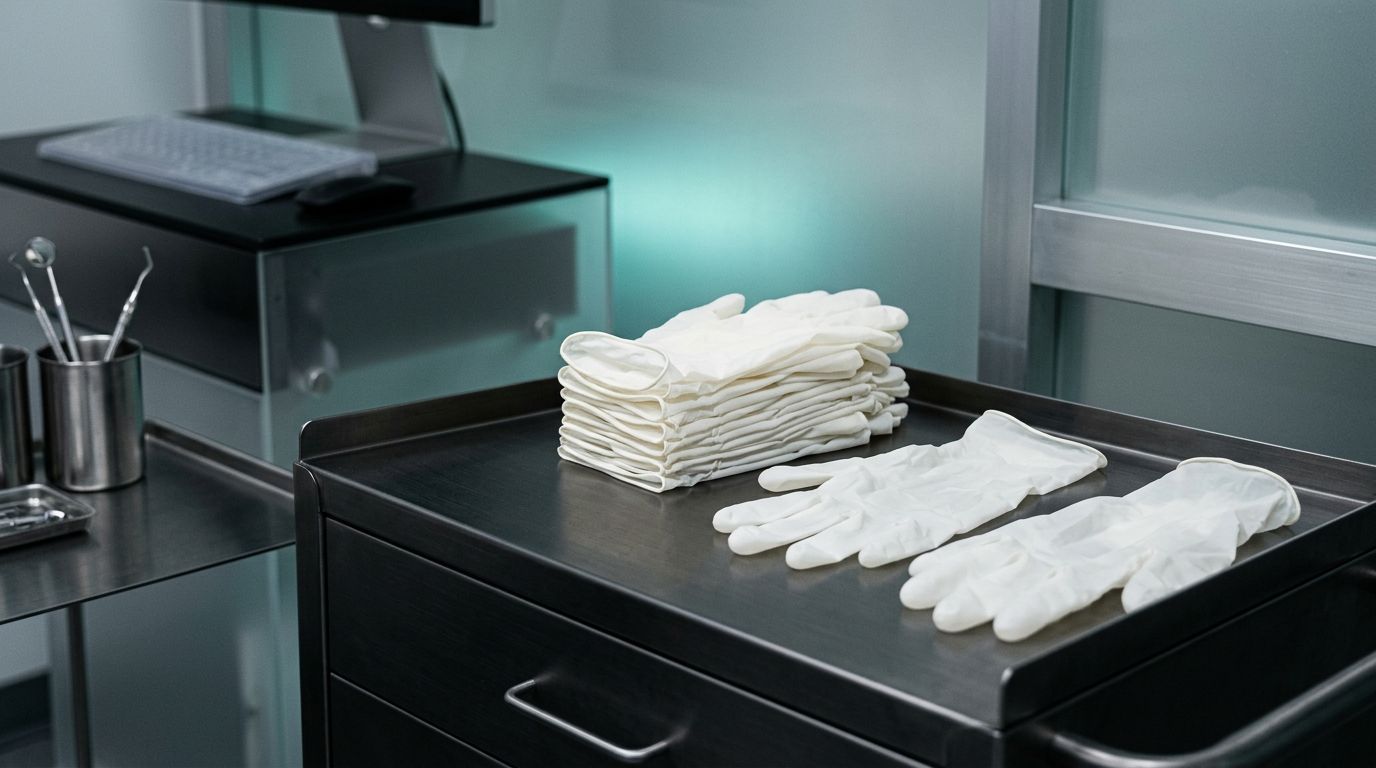
Hey there, ink lovers and art aficionados! Today, we're diving into a topic that often goes unnoticed in the colorful world of tattooing: the impact of latex allergies on tattoo artists. You might be wondering, How does a little rubber affect someone who spends their days inking intricate designs on skin? Well, grab your favorite drink, get comfy, and let's chat about why this matters so much in the tattoo community.
Understanding Latex Allergies
First, let's break it down. Latex allergies can manifest in various degrees. Some people experience mild reactions, like rashes or itchiness, while others might face more severe symptoms, including trouble breathing or anaphylaxis. For tattoo artists, whose jobs often require contact with latex gloves and materials, this allergy can pose serious professional challenges.Imagine this: You're an artist, ready to create a masterpiece on your client's skin. You prep your tools, put on those familiar snug latex gloves, and as soon as you start, you notice an eerily familiar itch on your wrist. Before you know it, your skin is reacting, and your session is interrupted. Doesn't sound fun, does it?
Personal Anecdote: The Night I Realized My Allergy
Allow me to share a personal story. A few years back, I went to a tattoo convention - the air buzzing with creativity and excitement. I was tattooing my third client when I started feeling unwell. At first, I dismissed it; maybe it was just the hustle and bustle of the convention getting to me. But as I continued, my arms became itchy and red. Concerned, I took off my gloves and saw the reactions starting to bubble up on my skin. That was the moment of realization I had developed a latex allergy.
The Day-to-Day Impact
Now, you might wonder how this allergy impacts daily life for tattoo artists. For starters, it limits your choice of materials. Most artists rely heavily on latex gloves during procedures for hygiene and safety reasons. When someone has a latex allergy, they need to switch to non-latex alternatives like nitrile gloves. While nitrile gloves are a fantastic substitute, they can sometimes be pricier and less readily available in bulk. A fellow artist I spoke to shared her experience of switching to nitrile. I hadn't thought much about it until I had to order them for the first time. They cost a bit more, but hey, health is wealth, right? she laughed. It's essential for those in the tattoo community to be informed about their options, as not all alternatives offer the same fit or tactile sensitivity.
The Artist-Client Dynamic
Another aspect worth considering is how latex allergies can influence the relationship with clients. Tattooing is as much about the connection with the client as it is about the art itself. When explaining why you can't wear latex gloves, some clients might be sympathetic, while others might find it confusing. I've had clients ask why it matters, and I've learned to use those moments to educate them about allergies. Sharing your journey fosters understanding. I often say something like, Hey, just like some people can't eat peanuts, I can't use latex. It's all about keeping everyone safe and happy!
Practical Advice for Tattoo Artists
If you're an artist dealing with latex allergies, here's some friendly advice:1. Invest in Quality Non-Latex Gloves: While they might be more expensive, the comfort and health benefits are worth every penny. Brands like Aurelia and Microflex offer excellent options that many artists rave about.2. Communicate Openly: Make it known in your bio or during consultations that you use non-latex materials. This builds trust with your clients. 3. Consider Other Materials: For other tattoo supplies, such as ink caps and barriers, look for latex-free versions. There's a wide range of products available, so take the time to research.4. Be Aware of Non-Glove Equipment: Some machines, grips, and other tools might contain rubber latex components. Opt for silicone or plastic alternatives when possible.5. Stay Educated: Keep up with industry standards regarding products that may contain latex. The more knowledge you have, the better you can adapt to your needs.
Conclusion: Thriving Beyond Limitations
In the end, while a latex allergy can present challenges for tattoo artists, it doesn't have to be the end of the road. By adapting to the situation, keeping communication open, and educating both yourself and your clients, you can continue to thrive in this vibrant, artistic field. Remember, every great artist has their hurdles, and overcoming them is often what shapes your unique tattoo journey!So here's to all the badass tattoo artists out there: Keep creating, keep adapting, and remember that your health comes first! If you've had experiences with latex allergies or any hurdles in your artistic journey, I would love to hear your stories in the comments. Let's celebrate our resilience together!
What standards govern ANEMOI latex examination gloves?
ANEMOI examination gloves are manufactured under ISO 13485:2016 quality management systems and conform to EN 455 and ASTM standards with strict AQL 1.5 pinhole water-tightness testing.
How does Impact of latex allergies on tattoo artists impact daily workplace safety?
Proper glove selection ensures optimal barrier integrity, tactile precision, and user dexterity while minimizing cross-contamination risks across medical, laboratory, and industrial environments.
Can facilities order wholesale cartons and request trial sample boxes?
Yes. Hospitals, clinics, and commercial facilities can request 1–2 box sample evaluation kits or access volume carton pricing directly via the ANEMOI B2B client portal.