How to Properly Dispose of Powder Free Latex Gloves
- Barrier Performance: In-depth evaluation of the importance of proper disposal to ensure high tactile sensitivity and tear resistance.
- Clinical Ergonomics: Optimizing step-by-step guide to disposing of powder-free latex gloves to reduce user hand fatigue during prolonged operational shifts.
- Procurement & Standards: Regulatory compliance covering real-life scenarios to consider across healthcare and industrial environments.
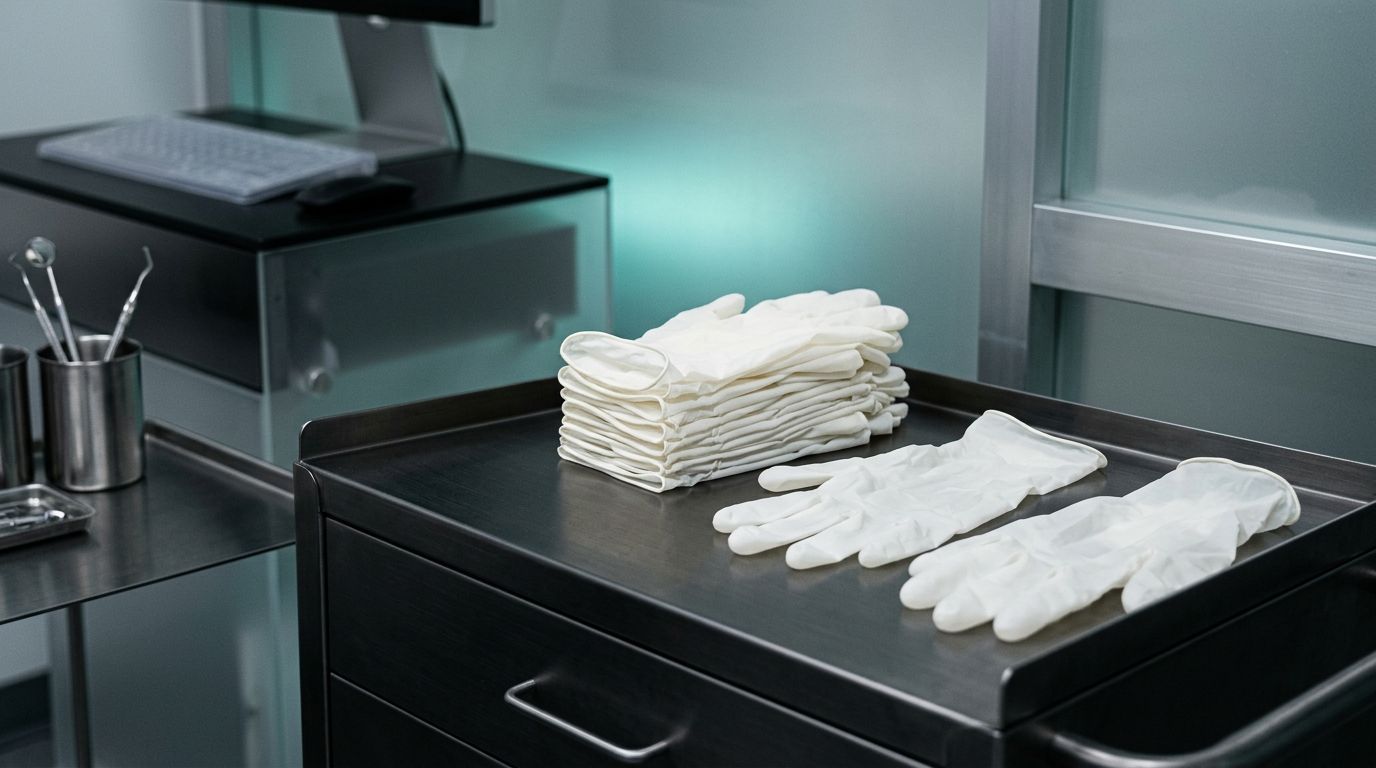
We've all been there. You finish a project, whether it's a DIY craft at home, some gardening, or even cooking that pasta dish from your favorite recipe blog, and you realize what do I do with these powder-free latex gloves now? They've protected your hands from dirt, grime, or contaminants, but the question remains: how do you dispose of them properly?In this article, we'll explore the best practices for disposing of powder-free latex gloves, navigating both the environmental considerations and the hygiene aspects, all while sprinkling in a personal touch to keep things engaging.
The Importance of Proper Disposal
Before diving into the nitty-gritty, let's talk about why proper disposal matters. I remember the first time I finished a messy home project I pulled off those gloves and tossed them in the regular trash, thinking it wouldn't make much of a difference. Fast forward a week later, and I was horrified to learn that improper disposal can contribute to environmental issues, particularly when it comes to medical waste.Latex gloves can introduce harm if disposed of incorrectly, especially if they've come into contact with hazardous materials. As someone who enjoys both a clean home and a healthy planet, I realized it was essential to learn and spread the word about responsible disposal methods not just for my own sake but for our collective impact.
Step-by-Step Guide to Disposing of Powder-Free Latex Gloves
Ordering Wholesale Gloves for Your Facility?
Access our direct self-service portal for real-time tiered volume pricing, immediate proforma & GST invoice generation, and pan-India dispatch tracking.
1. Assess the Contamination Level
First things first: check whether the gloves are contaminated. If you wore them while handling food, they're a bit different from gloves you wore to clean up paint spills. Here's a handy personal tip: I keep a small trash bag for disposables during my projects. It reminds me to think about waste as I go along.- Non-contaminated Gloves: If your gloves are clean and have only come into contact with non-hazardous materials, they can usually go in the regular trash.- Contaminated Gloves: If they've been used in a medical context or handled hazardous materials, they should be treated as biohazard waste.
2. Roll Them Up
Next, roll the gloves inside out. This little trick can minimize the risk of any residues spilling out. It's a simple step that I adopted after accidentally drizzling food residue on my clean kitchen counter once. Trust me, you don't want to repeat that!
3. Securely Place in Trash
After rolling them up, the next step is to seal them in a plastic bag if they were contaminated. This is especially important for maintaining sanitary conditions. Use a sturdy bag, tie it off, and then, here's the kicker, place that bag into an outer trash bag. This layering helps contain any potential mess.
4. Separate for Recycling (When Feasible)
For some eco-conscious readers, the question arises: can these gloves be recycled? The unfortunate answer is, generally, no. Most recycling facilities don't accept latex gloves due to contamination risks. However, some specialized facilities can process biodegradable gloves, so it's worth checking what's available in your area. I often take a moment to explore local resources or community recycling programs whenever I learn something new!
5. Dispose of Kitchen Gloves Promptly
In my exploration of proper disposal, I also learned the value of prompt action. Leaving gloves lying around, thinking I'll get to it later, has led to moments I'd rather forget (like the time I found a lost glove in my pantry). Dispose of those gloves right after use to minimize risk and keep your workspace tidy.
Real-Life Scenarios To Consider
Imagine this: it's a sunny Saturday afternoon, and you're out in the garden wearing your powder-free latex gloves, pulling weeds and replanting flowers. You get done, you're tired, and your instinct is to toss the gloves into the compost pile or the overflowing rubbish bin. Instead, consider how you can apply these steps. You have the choice to keep the environment clean while also making your gardening sessions sustainable.Or picture this scenario: your child decides to help bake cookies, and naturally, you hand them some powder-free gloves. The cookies turn out delightfully messy, and the gloves get sticky with dough. Upon finishing, encourage them to dispose of the gloves properly. It's a great teaching moment it builds awareness about waste disposal from a young age.
Special Considerations
If you're working in a healthcare setting or similar environments, proper disposal might also be dictated by specific regulations. It's also a great idea to have a dedicated biohazard disposal system in place. Working in a clinical setting emphasizes the importance of this practice; it's not just about rules it's about the safety of everyone involved.
Final Thoughts
Properly disposing of powder-free latex gloves may seem like a small task, but it has a big impact. Whether you're gardening, painting, or cooking, these tiny practices can foster a culture of responsibility and awareness. Next time you find yourself with a pair of gloves, think about how you can take those extra steps to keep our planet and your space clean.When I reflect on my personal journey with disposal awareness, I hope to encourage you all to make educated choices about waste management in your daily lives. Let's keep the flow of good practices going, one glove at a time!
What standards govern ANEMOI latex examination gloves?
ANEMOI examination gloves are manufactured under ISO 13485:2016 quality management systems and conform to EN 455 and ASTM standards with strict AQL 1.5 pinhole water-tightness testing.
How does How to properly dispose of powder free latex gloves impact daily workplace safety?
Proper glove selection ensures optimal barrier integrity, tactile precision, and user dexterity while minimizing cross-contamination risks across medical, laboratory, and industrial environments.
Can facilities order wholesale cartons and request trial sample boxes?
Yes. Hospitals, clinics, and commercial facilities can request 1–2 box sample evaluation kits or access volume carton pricing directly via the ANEMOI B2B client portal.