How to Dispose of Latex Gloves in Medical Practice
- Barrier Performance: In-depth evaluation of why proper glove disposal matters to ensure high tactile sensitivity and tear resistance.
- Clinical Ergonomics: Optimizing step-by-step guide for disposing of latex gloves to reduce user hand fatigue during prolonged operational shifts.
- Procurement & Standards: Regulatory compliance covering unique insights on glove disposal across healthcare and industrial environments.
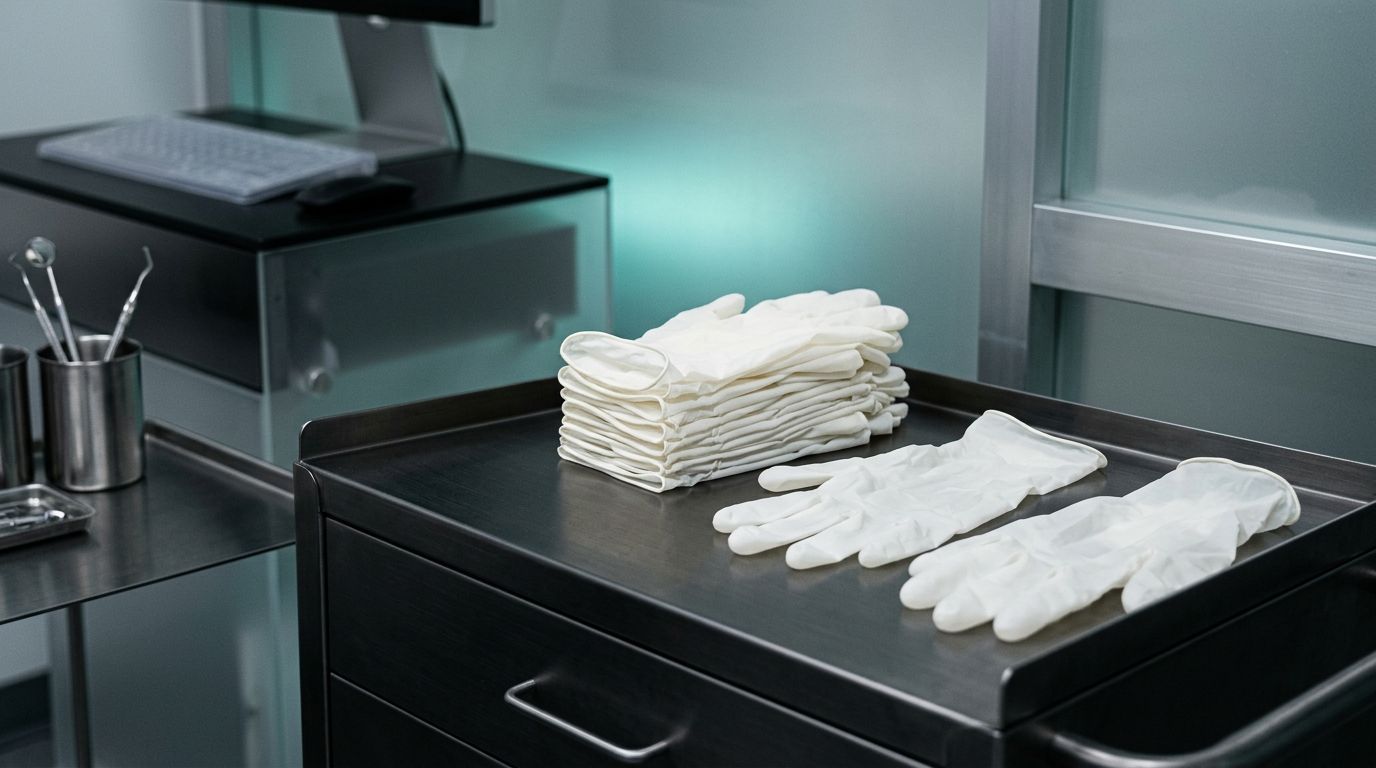
When you're in the thick of your day-to-day routine in a medical practice, the minutiae of waste disposal might seem trivial compared to the larger tasks at hand. But, trust me, managing the disposal of latex gloves is a crucial aspect of maintaining safety and hygiene. Whether you're a seasoned healthcare professional or a newcomer just getting started, understanding the best practices surrounding latex glove disposal can save you from potential pitfalls. Let's dive into it and I'll share some personal anecdotes along the way to keep things interesting!
Why Proper Glove Disposal Matters
Before we get to the nitty-gritty of how to dispose of latex gloves, let's take a moment to consider why it's so important. Latex gloves are designed to protect both the wearer and the patient from contamination and infection. However, they can become carriers of bacteria, viruses, and other pathogens once they've been used. Improper disposal can lead to exposure risks, environmental hazards, and even legal consequences.I remember my first few weeks in a clinical setting; I was amazed at how many gloves we went through. One day, a colleague didn't dispose of their gloves properly after assisting in a procedure. It didn't seem like a big deal at the time, but a few hours later, another staff member accidentally touched the contaminated gloves while cleaning up. It reinforced the importance of proper disposal in my mind we can't afford to take shortcuts in healthcare!
Step-by-Step Guide for Disposing of Latex Gloves
Ordering Wholesale Gloves for Your Facility?
Access our direct self-service portal for real-time tiered volume pricing, immediate proforma & GST invoice generation, and pan-India dispatch tracking.
Let's break down the disposal process step by step:
1. Recognize When to Change Your Gloves
Understanding when to remove your gloves is the first step. After contacting blood, bodily fluids, or any form of contamination, it's vital to remove and dispose of them immediately. A quick joke I often share with my colleagues is, If you can smell what's on your gloves, it's definitely time to change them!
2. Dispose of Gloves in Designated Waste Bins
Latex gloves should never go in regular trash bins! Always have a clearly marked biohazard waste container available. This not only keeps your workspace clean but also minimizes the risk of exposure.
Example Scenario:I vividly recall a time when a novice intern mistakenly threw used gloves into the regular garbage. Our supervisor quickly intervened, explaining the difference between regular waste and biohazard waste. After that, each staff member was much more aware of where and how to properly dispose of their gloves.
3. Secure the Waste
When discarding your gloves, turn them inside out as you peel them off. This will contain any contaminants on the exterior side of the glove. Tie the gloves into a knot if you're dealing with a waste bag, which adds an extra layer of safety.
4. Wash Your Hands
Glove disposal isn't the final step. Hand hygiene is crucial. Always wash your hands thoroughly after disposing of your gloves. I have this little mantra: Gloves are not an excuse for dirty hands! It's a simple yet powerful reminder to keep safety paramount.
5. Educate Others
If you're in a leadership role or a more experienced staff member, take the time to educate others about proper glove disposal. Sometimes, it's the little things that make a significant difference. Share anecdotes like mine, as they can be more relatable and impactful than just listing policies.
Unique Insights on Glove Disposal
Often, technology is overlooked in the disposal conversation. Did you know that some practices use specialized systems that actually incinerate used gloves? It's a cleaner and more environmentally friendly solution, aligning with modern sustainable practices. Additionally, have a look at local regulations regarding medical waste disposal. Some areas have stricter guidelines than others, so staying informed is key!
Practical Tips for Medical Practices
- Keep the Environment in Mind: Try to establish a recycling program for the cardboard and plastic packaging that the gloves come in.- Stay Informed: Continue your education on safety standards from organizations like OSHA or CDC. They regularly update their guidelines, so it's worthwhile to stay updated.- Premade Disposal Kits: Consider investing in glove disposal kits that can easily be mounted on walls in prompt access to all staff.
Conclusion
Disposing of latex gloves might seem like a mundane task in the grand scheme of running a medical practice, but it plays a vital role in ensuring safety and hygiene. Treat this process with the seriousness it deserves. Just like my early experience reminded me, a few seconds spent on proper disposal can help prevent a lot of potential harm.Next time you suit up for a procedure, remember that your gloves serve as your barrier and respecting their disposal is part of that protective role. Let's keep our environment clean and our patients safe, one pair of gloves at a time!
What standards govern ANEMOI latex examination gloves?
ANEMOI examination gloves are manufactured under ISO 13485:2016 quality management systems and conform to EN 455 and ASTM standards with strict AQL 1.5 pinhole water-tightness testing.
How does How to dispose of latex gloves in medical practice impact daily workplace safety?
Proper glove selection ensures optimal barrier integrity, tactile precision, and user dexterity while minimizing cross-contamination risks across medical, laboratory, and industrial environments.
Can facilities order wholesale cartons and request trial sample boxes?
Yes. Hospitals, clinics, and commercial facilities can request 1–2 box sample evaluation kits or access volume carton pricing directly via the ANEMOI B2B client portal.