How to Choose Latex Gloves for Medical Use
- Barrier Performance: In-depth evaluation of why latex? to ensure high tactile sensitivity and tear resistance.
- Clinical Ergonomics: Optimizing consider the purpose to reduce user hand fatigue during prolonged operational shifts.
- Procurement & Standards: Regulatory compliance covering check for certification across healthcare and industrial environments.
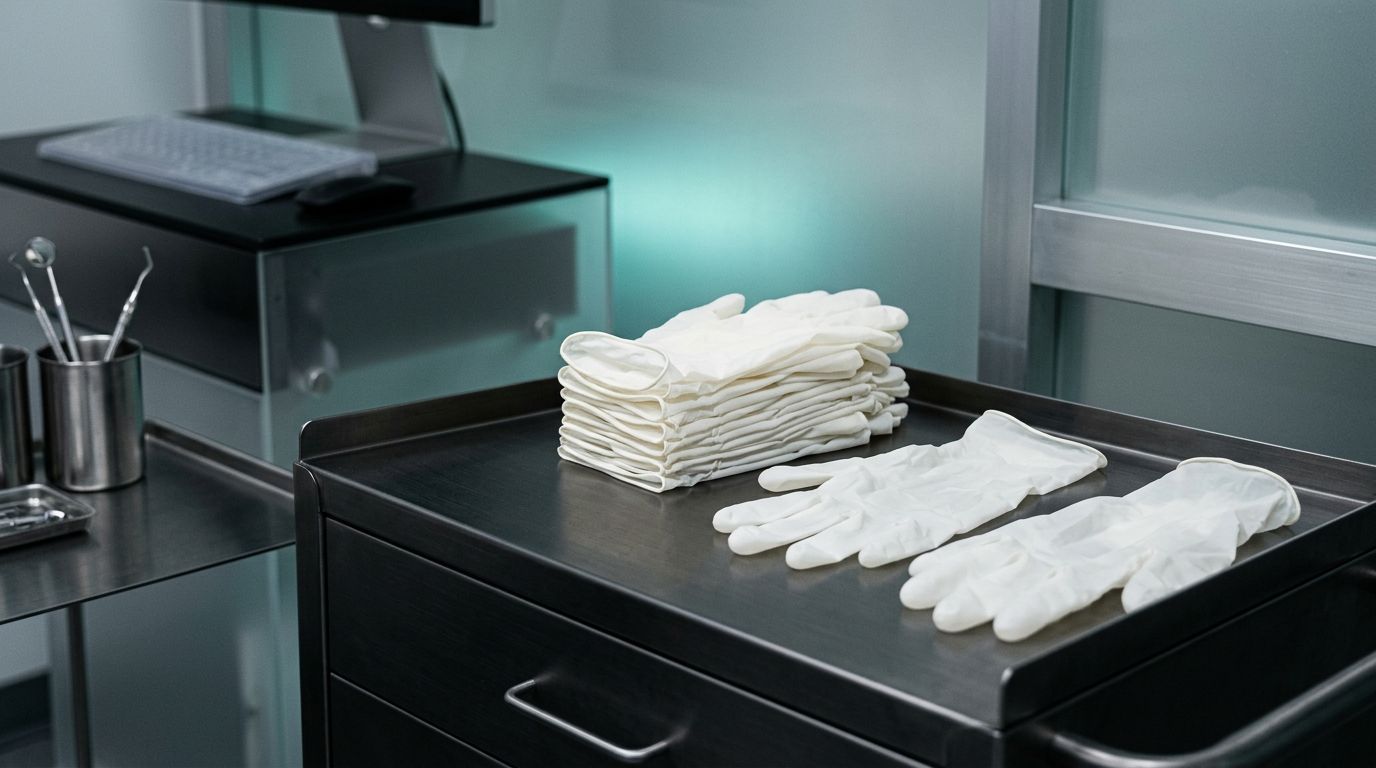
Choosing the right latex gloves for medical use can be quite a daunting task, especially if you're a newcomer to the world of healthcare. Trust me, I've been there! When I first started my career in the medical field, I never thought there was so much to consider in something I thought was as simple as just grabbing some gloves. But I learned the hard way that not all gloves are created equal. So, let's dig into how to choose the best latex gloves that suit your needs.
Why Latex?
Before diving into specific recommendations, let's chat about why latex gloves are a popular choice in the medical field. Latex gloves provide a great balance of flexibility, protection, and comfort. They offer excellent tactile sensitivity, which is crucial for many medical procedures, allowing you to feel what you're doing without sacrificing safety.I still remember my first day on the job I had been assigned to shadow a nurse and I noticed how easy it was for her to maneuver and feel the pulse of a patient while wearing latex gloves. It all felt fluid and seamless. That's the kind of confidence latex gloves can give you!
Consider the Purpose
Ordering Wholesale Gloves for Your Facility?
Access our direct self-service portal for real-time tiered volume pricing, immediate proforma & GST invoice generation, and pan-India dispatch tracking.
One of the first steps in choosing latex gloves is to pinpoint the exact purpose you need them for. Are you working in a high-risk environment where exposure to blood or bodily fluids is common? Or do you need them for general patient examinations? This distinction is important because it affects not only the glove thickness but also the level of protection you need.For instance, if you're performing a procedure that could expose you to sharp objects, thicker gloves (often referred to as extra-strong') might be necessary. I learned this lesson when I was helping with a minor surgical procedure and the nurse handed me a pair of thicker latex gloves, saying, You'll thank me later if something goes wrong!
Check for Certification
When selecting latex gloves, always look for certifications that indicate they meet specific standards. The two main certifications to look for are:- ASTM D3578: This demonstrates that the gloves meet the American Society for Testing and Materials standards.- FDA Approval: This ensures that the gloves are suitable for medical use.You'd be surprised how many brands cut corners with quality. If you find gloves that don't carry these certifications, steer clear. Trust me, nothing ruins a shift like worrying about whether your gloves will hold up!
Think About Size and Fit
Having the right size and fit is crucial for comfort and functionality. Latex gloves should fit snugly without being overly tight. If you've ever worked a long shift, you know how uncomfortable ill-fitting gloves can be. For instance, I remember a time when I grabbed a box of gloves without checking the size and ended up with a medium pack when I actually needed small. My fingers felt like sausages stuffed into a casing, which made it challenging to do anything dexterous. Always check the sizing chart and, if possible, try on a pair before buying.
Be Aware of Sensitivity and Allergies
While latex gloves are fabulous, some people are allergic to natural rubber latex. If you or those you're working with have a known sensitivity, it might be best to consider alternatives like nitrile or vinyl gloves. I once witnessed a colleague break out in hives right in the middle of a procedure because he didn't realize that he had a latex allergy. It was a tense moment that could have been avoided had he chosen a non-latex option. Always prioritize safety over preference!
Consider the Quality and Brand
Not all latex gloves are equal in quality, so it's worth doing some research. A few reputable brands that often come highly recommended include:- Ansell- Kimberly-Clark- MedlineI had a specific experience where I switched from a lesser-known brand to Medline, and the difference was night and day. The fit was better, the protection felt more reliable, and they lasted through my entire shift without tearing. Sometimes, spending a little more for a trusted brand can save you a lot of hassle in the long run.
Think About the Environment
With increasing awareness of environmental issues, it's also worth considering the sustainability of the products you choose. Some manufacturers now offer latex gloves made from sustainable sources or those that are biodegradable. Choosing these options can help reduce your ecological footprint, which is something we should all strive for. In college, I took a class on environmental health, and it opened my eyes to how our choices like gloves can impact the world. Whenever I can, I try to choose products that align with those values.
Final Thoughts
Choosing the right latex gloves for medical use isn't just about finding something that fits. It's about considering your specific needs, understanding the materials, and prioritizing quality. So whether you're just starting in the medical field, working in a lab, or volunteering at a healthcare facility, using these tips will help you navigate the world of latex gloves with confidence.Remember my first day on the job? Don't let that be you get the right gloves that make your work easier and safer. Happy gloving!
What standards govern ANEMOI latex examination gloves?
ANEMOI examination gloves are manufactured under ISO 13485:2016 quality management systems and conform to EN 455 and ASTM standards with strict AQL 1.5 pinhole water-tightness testing.
How does How to choose latex gloves for medical use impact daily workplace safety?
Proper glove selection ensures optimal barrier integrity, tactile precision, and user dexterity while minimizing cross-contamination risks across medical, laboratory, and industrial environments.
Can facilities order wholesale cartons and request trial sample boxes?
Yes. Hospitals, clinics, and commercial facilities can request 1–2 box sample evaluation kits or access volume carton pricing directly via the ANEMOI B2B client portal.