Guidelines for Using Latex Examination Gloves
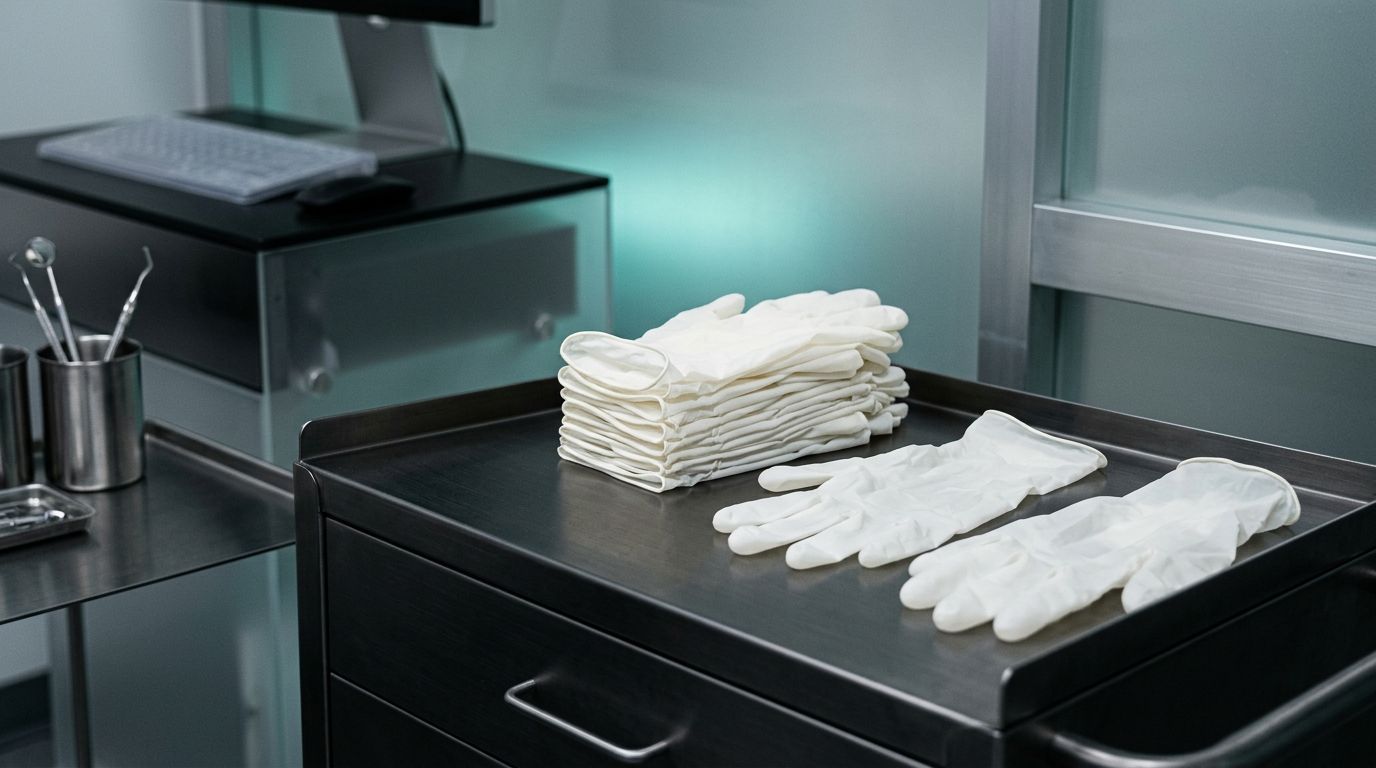
Latex examination gloves have long been the unsung heroes in various fields from hospitals to food service. While they may seem like simple barrier devices, their correct usage and care can make a world of difference in maintaining hygiene and preventing contamination. In this article, I'll share some practical guidelines for using latex gloves and sprinkle in some personal anecdotes and relatable scenarios to keep things engaging. So, let's dive in!
Understanding the Role of Latex Gloves
Before we jump into the guidelines, it's essential to understand why latex gloves are so prevalent. When I first started working in healthcare, I marveled at how these thin, stretchy materials could keep both patients and healthcare professionals safe. They act as a barrier between the skin and potential contaminants, making them crucial in various settings.Personal Anecdote: I vividly remember my first day as a nursing assistant. I was nervous and unsure of myself, especially when it came to using gloves. The instructor handed me a pair of latex gloves and said, This is your first line of defense. Her words stuck with me, and I quickly learned the importance of proper glove usage.
Guidelines for Using Latex Examination Gloves
ANEMOI Medical Powder-Free Examination Gloves
Manufactured with high tensile strength (≥18 MPa) and micro-textured grip surface. Fully ISO 9001:2015 & CE Certified for hospitals, labs, and industrial safety.
1. Choose the Right Size
Much like finding the right pair of shoes, selecting the correct glove size can make a huge difference in comfort and dexterity. Gloves that are too tight can tear easily, while oversized gloves can hinder your movement.Example Scenario: Picture yourself in a busy clinic. You're about to take vital signs for a patient, and your gloves are too loose. As you lean in to check their pulse, the glove slips off your hand! Not only is it awkward, but it can also lead to contamination. Always check the size chart when ordering gloves!
2. Inspect Before Use
A good habit to develop is inspecting your gloves before putting them on. Look for any signs of damage, such as tears, holes, or discoloration. Practical Advice: I once started my shift and noticed a small tear in one of the gloves just as I was about to assist in a minor surgical procedure. A split second of inspection saved me from a potentially messy situation. Always take a moment to check; it can prevent complications later on.
3. Proper Wearing Technique
When putting on latex gloves, ensure you do so in a clean environment. Avoid touching any surfaces that may be contaminated. Relatable Scenario: Imagine you're in the middle of a hectic emergency room. You grab a pair of gloves and rush to assist a patient. In your haste, you accidentally touch your scrubs before putting them on. That moment can contaminate everything. Remember the mantra: clean hands, clean gloves!
4. Change Frequently
It can be tempting to keep gloves on for extended periods, especially when you're busy, but changing them regularly is crucial, especially between different patients or tasks.Personal Insight: During my early days, I often found myself in situations where I didn't change my gloves often enough like when I would administer medication and then impulsively check a patient's temperature without swapping them out. It's a simple oversight that can lead to cross-contamination. Now, I make it a rule to change them as often as needed.
5. Remove Properly
Taking off gloves may seem straightforward, but improper removal can lead to skin exposure. To do it right, pinch the outside of one glove at the wrist and pull it off, turning it inside-out. Then, slide a finger underneath the second glove and pull it off over the first glove.Example Scenario: I remember seeing a colleague carelessly removing gloves and accidentally touching his arm with a contaminated glove. It was a rookie mistake, but it reminded me of the importance of proper technique. Always take your time!
6. Disposal
Dispose of used gloves in a designated biohazard container, especially in clinical settings. Don't just toss them in the regular trash!Practical Advice: Think of it like cleaning up after a party. You wouldn't leave your trash lying around, would you? Keeping your environment clean starts with responsible glove disposal.
7. Be Mindful of Allergies
Many people are allergic to latex, which can lead to serious reactions. Always check with your workplace policies and be ready to switch to alternative materials like nitrile or vinyl if necessary.Relatable Scenario: I once worked with a nurse who had a severe allergy to latex. Once, we accidentally used latex gloves during a procedure. The panic that ensued was palpable. It served as a stark reminder for me to always be aware of my colleagues' needs as well.
Conclusion
Using latex examination gloves correctly can seem like a small part of your routine, but it plays an essential role in protecting both you and those around you. By following these guidelines choosing the right size, inspecting before use, changing frequently, and mastering proper removal and disposal you can ensure that you maximize the benefits of these essential tools.Final Thought: Think of those latex gloves as your multitasking partners. They help you stay safe while doing what you love, whether it's caring for patients or preparing food. Embrace these guidelines, and you'll not only enhance your practice but also contribute to a safer environment for everyone.So the next time you put on a pair of latex gloves, remember that you are part of a larger effort to maintain hygiene and safety for yourself and for others. Happy gloving!