Flexible Latex Gloves for Laboratory Use
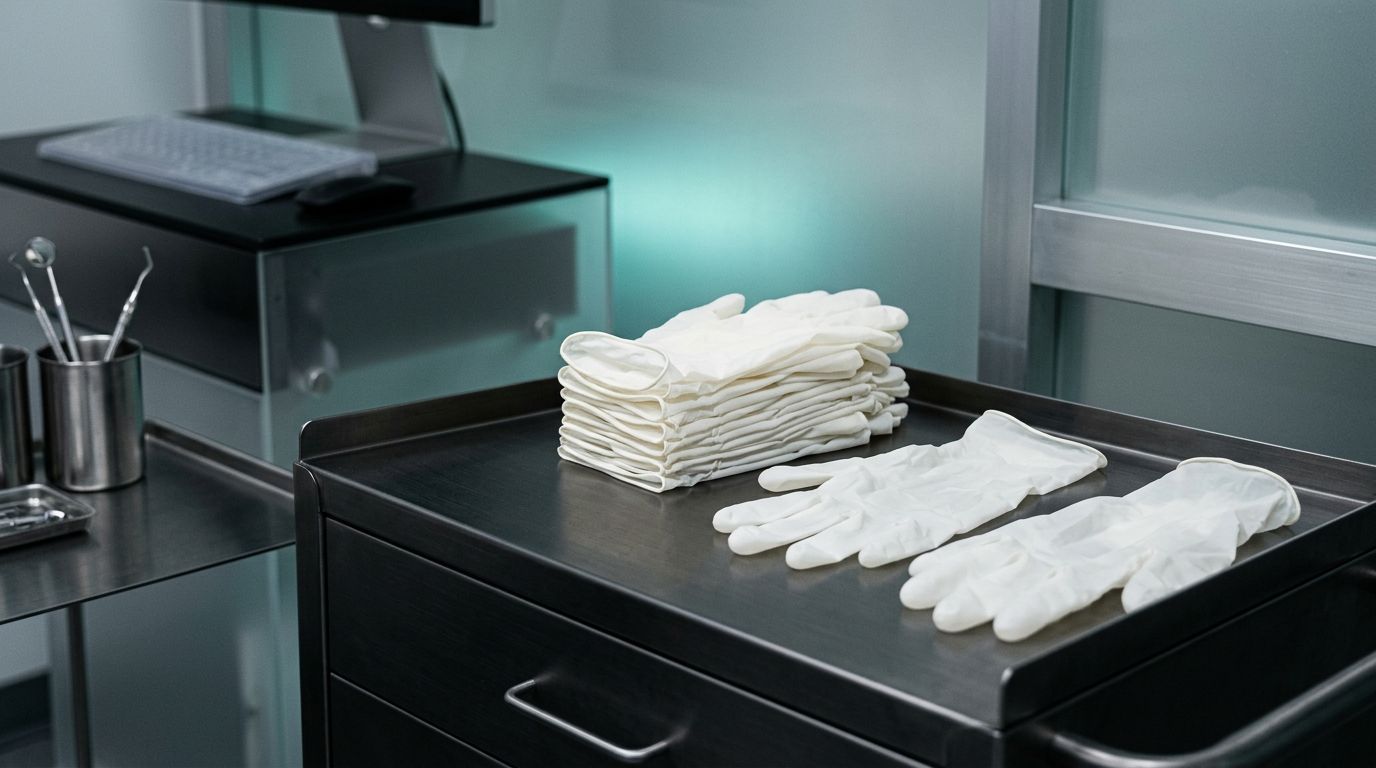
When you step into a laboratory, a whole new world of precision and care awaits you. The hum of machines, the spark of discoveries, and let's face it the necessity for safety. One of the unsung heroes of this environment? Flexible latex gloves. As both a lab technician and someone deeply invested in research, I've come to appreciate just how crucial these gloves are. They may seem like simple accessories, but their impact on our work is monumental. Let's dive into the world of flexible latex gloves for laboratory use, punctuated by personal anecdotes and practical insights.
The Everyday Heroes of the Lab
I remember my first day in the lab, a whirlwind of excitement and nervousness. The moment I donned those latex gloves, I felt a certain confidence. Suddenly, I was shielded from contamination and potential hazards. That little barrier between my skin and the unknown made all the difference. Whether you're pipetting solutions or handling delicate samples, the right gloves can be the unsung heroes of laboratory work.
Why Choose Flexible Latex Gloves?
So, what exactly makes flexible latex gloves a go-to choice for lab work? Here are some standout features:1. Dexterity and Sensitivity: One of the greatest challenges in laboratories is the need for precision. Flexible latex gloves offer a snug fit that enhances tactile sensitivity. I recall a time when I was working on a sensitive assay. The gloves allowed me to feel the subtle changes in pressure as I manipulated tiny pipette tips with utmost precision.2. Barrier Protection: Laboratories can have a variety of chemicals and biological materials that pose risks. Flexible latex gloves provide an effective barrier against these hazards. There was a moment when a chemical spill occurred, and thanks to my trusty gloves, I was able to quickly contain the situation without any personal contamination.3. Comfort: Let's be honest nobody wants to wear gloves that feel restrictive or uncomfortable. The flexibility of latex allows for movement without feeling like you're wearing clown shoes. During long hours of experimentation, I've found that the comfort level of flexible latex gloves keeps my focus on the task rather than the irritating itch of less breathable materials.
Choosing the Right Latex Gloves
Navigating the world of latex gloves can be overwhelming I know I've been there. There are various factors to consider:- Thickness: Thinner gloves offer more dexterity, which is perfect for intricate tasks, while thicker gloves provide more protection.- Puncture Resistance: If you're working with sharp instruments or potentially dangerous substances, look for gloves that offer high puncture resistance.- Size: Just like any piece of clothing, the right fit is essential. A glove that's too tight can restrict blood flow and decrease dexterity, while a loose glove can lead to accidents.I personally learned the importance of sizing during a particularly intense experiment involving bacterial cultures. I had grabbed a pair that felt a bit loose. Midway through, I accidentally knocked over a petri dish. Lesson learned: Go for snug-fitting gloves!
Real-Life Scenarios
There's a common scenario many lab workers can relate to: you're in a rush, you accidentally spill something, and it feels like time slows down. You reach for a bottle of cleaning solution, your mind racing. Having the right gloves on flexible latex can give you that extra moment of clarity and safety. Just last week, during a frantic sample swap, I was grateful for my gloves as I fumbled and dropped some test tubes none of my bare skin was exposed to potential drips or spills!
Practical Advice for Lab Workers
- Change Regularly: It's easy to forget, but you should change gloves frequently, especially when switching tasks. I try to always have an alarm set as a reminder during long sessions. It helps reduce cross-contamination risks and keeps everything tidy.- Proper Disposal: Make sure you dispose of gloves properly don't throw them in regular trash. Typically, there are designated bins for biohazardous waste. I always check signage in my lab to ensure I'm following protocols correctly.- Be Mindful of Allergies: While latex gloves are fantastic, they're not suitable for everyone. Some individuals have latex allergies, which can cause reactions. In my lab, we always have nitrile or vinyl gloves available just in case.
Conclusion: Your Best Lab Partner
In the fast-paced world of laboratories, flexible latex gloves are more than a protective barrier; they're integral tools that enhance our work. They offer the right balance of comfort, dexterity, and protection enabling us to focus on what truly matters: discovery and learning. Whether you're performing routine experiments or embarking on groundbreaking research, the right pair of gloves can make all the difference.So next time you gear up for a lab session, remember to appreciate those flexible latex gloves. They may just be the unsung heroes of your scientific journey, protecting you and your work every step of the way. Keep experimenting, keep learning, and always, always keep your gloves handy!