Features to Look for in Textured Latex Gloves
- Barrier Performance: In-depth evaluation of grip and texture to ensure high tactile sensitivity and tear resistance.
- Clinical Ergonomics: Optimizing thickness and durability to reduce user hand fatigue during prolonged operational shifts.
- Procurement & Standards: Regulatory compliance covering comfort and fit across healthcare and industrial environments.
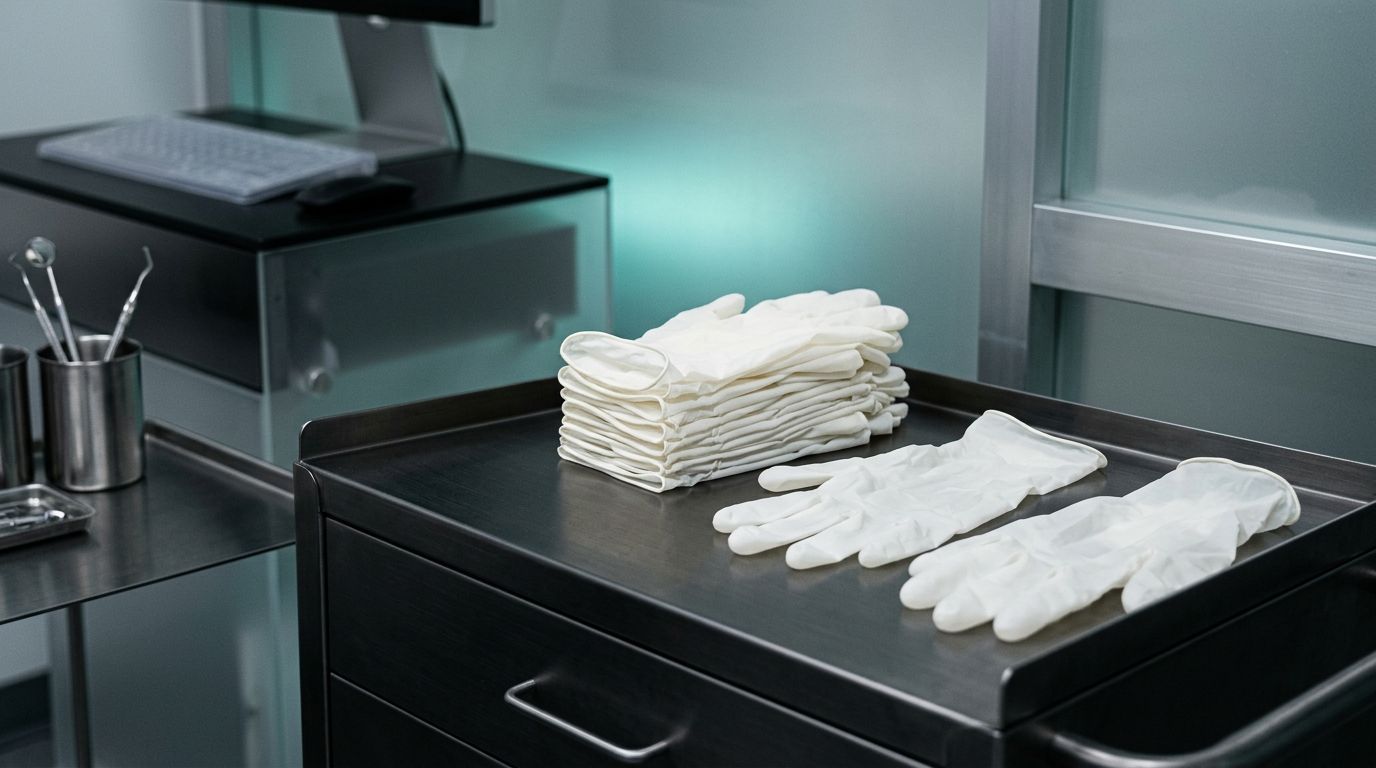
When it comes to choosing the right gloves for your needs, especially textured latex gloves, it can feel like navigating a minefield. I remember a time when I was working in a small cafu00e9, and we decided to offer some of our delicious homemade treats to our customers simple sandwiches, cookies, and cupcakes. As I donned my first pair of textured latex gloves, I realized that not all gloves were created equal. The right pair could mean the difference between a smooth experience and one fraught with difficulty.In today's world, where cleanliness and hygiene have taken center stage, knowing what features to look for in textured latex gloves can help ensure a comfortable and safe experience, whether you're in a clinical setting, a kitchen, or tackling DIY projects at home. So, let's dive into the different features that can help guide your decision.
1. Grip and Texture
One of the most prominent features of textured latex gloves is, of course, the texture itself. As someone who has peeled countless potatoes while wearing these gloves, I can vouch for the importance of a good grip. Textured gloves typically have raised patterns or finishes that enhance your grip on wet or slippery surfaces, which is critical when managing kitchen tasks, handling laboratory equipment, or even during medical procedures.Tip: When you're trying on gloves, make sure to check how they feel when wet. If you're working with liquids, you want to ensure that you can confidently hold onto items without slipping.
2. Thickness and Durability
Ordering Wholesale Gloves for Your Facility?
Access our direct self-service portal for real-time tiered volume pricing, immediate proforma & GST invoice generation, and pan-India dispatch tracking.
While I've had moments of recklessness such as trying to slice through an overly ripe avocado with my gloved hand finding gloves that balance thickness and durability can be crucial. Thicker gloves tend to be more puncture-resistant, providing that extra security during tougher tasks. However, they might sacrifice some nimbleness. I recall one afternoon at the cafu00e9 when a friend and I were in a race to see who could crush more garlic for our homemade aioli. My thinner gloves gave me dexterity, but by the end, I had a small tear. Lesson learned: for robust tasks, pick a thicker glove, but don't overlook your sensitivity requirements for precision tasks!
3. Comfort and Fit
Comfort is key. Remember that time you had to wear shoes that pinched your feet for an entire day? The same goes for gloves. If they're too tight, they'll cause discomfort, and if they're too loose, the dexterity will go out the window. Textured latex gloves should fit snugly without being overly constrictive.Practical Advice: Whenever you're purchasing gloves, consider trying a few different sizes if they're available. You want a glove that allows you to move your fingers freely without excess material bunching up. It's worthwhile to experiment a bit before committing!
4. Chemical Resistance
In some cases, you might be using latex gloves for handling chemicals or substances that require extra caution. While latex itself offers decent protection, be wary of the gloves' specifications regarding chemical exposure. I learned this the hard way during a DIY home renovation when I was mixing cleaning solutions. Some gloves looked robust but weren't designed for chemical exposure, which left my hands feeling sensitive for days.Best Practice: Always check the manufacturer's guidelines regarding the types of chemicals the gloves can handle. If you're unsure, consider opting for gloves specifically labeled for chemical resistance.
5. Ambidextrous Design
Being in a hurry while cooking, I sometimes find myself tossing the last glove, realizing it was inside out. Ambidextrous gloves can save time and troubleshooting they're designed to fit either hand, making them great for quick changeovers. This feature is especially handy in fast-paced environments, like if you're prepping food for a big event. Trust me, when you're racing against the clock, you don't want to be struggling with which glove goes on which hand!
6. Allergy Considerations
While latex gloves are quite popular, they can cause allergies in some individuals. If you know you or your team members might have latex allergies, look for alternatives like nitrile or vinyl gloves. Some companies offer latex-free options that mimic the feel and flexibility of latex without the allergy risk, which can make your workspace more inclusive.Insight: It's always a good idea to keep an eye on the environment around you. After all, a thoughtful glove choice can make your workspace safer and more accommodating.
Final Thoughts
Choosing textured latex gloves doesn't have to be daunting; understanding what features to look for can make all the difference in your comfort and safety. Reflecting on my experiences, I can wholeheartedly recommend investing some time into finding the right pair. Whether you're grilling in your backyard, baking in your kitchen, or adhering to strict hygiene protocols at work, having gloves that meet your specific needs is vital.So next time you're at the store or browsing online, think about your tasks, test a few pairs, and make an informed choice. Happy gloving!
What standards govern ANEMOI latex examination gloves?
ANEMOI examination gloves are manufactured under ISO 13485:2016 quality management systems and conform to EN 455 and ASTM standards with strict AQL 1.5 pinhole water-tightness testing.
How does Features to look for in textured latex gloves impact daily workplace safety?
Proper glove selection ensures optimal barrier integrity, tactile precision, and user dexterity while minimizing cross-contamination risks across medical, laboratory, and industrial environments.
Can facilities order wholesale cartons and request trial sample boxes?
Yes. Hospitals, clinics, and commercial facilities can request 1–2 box sample evaluation kits or access volume carton pricing directly via the ANEMOI B2B client portal.